

Dsigngo is a Graphic Design and Digital Marketing Company.
Write what you are looking for and press enter to begin your search!

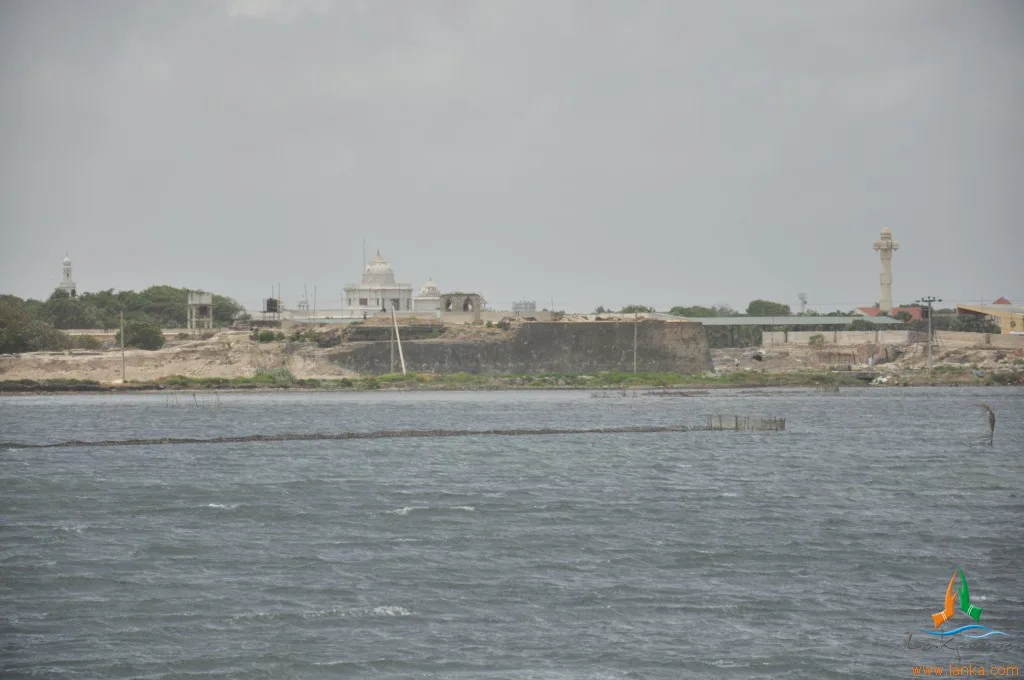
Jaffna Peninsula, The North
Jaffna Fort
After a century of Dutch military engineering produced Sri Lanka’s most geometrically perfect fortress, the British took it in 1795 without a single shot being fired, the garrison simply too undermanned to put up a fight.
Jaffna Fort’s story is one of steadily escalating military ambition undone almost instantly by simple undermanning, a century-long Dutch engineering project surrendered to the British in 1795 without a single shot fired, because the garrison had been stripped to reinforce Colombo instead.
Quick Facts
| Location | Jaffna city, on the lagoon |
| Original Portuguese fort | Built 1618-1624, after General Andre Furtado de Mendonça’s 1591 conquest |
| Dutch reconstruction | Began after capturing Jaffna in 1658 |
| Shape | A geometrically regular pentagon, the most precise of Sri Lanka’s Dutch forts |
| Completed | 1792 |
| Surrendered to British | 28 September 1795, without resistance |
Commonly searched as: Jaffna Fort · Jaffna Dutch Fort · Jaffna Fort history · pentagon fort Sri Lanka · things to do in Jaffna
From Portuguese Square to Dutch Pentagon
The Portuguese first secured Jaffna in 1591 under General Andre Furtado de Mendonça, and began constructing a fort at the site in 1618 or 1624, a sturdy but comparatively modest square structure with four bastions. That changed dramatically once the Dutch captured Jaffna from the Portuguese in 1658: rather than simply occupying the existing fort, Dutch engineers demolished the Portuguese square structure and built an entirely new inner pentagonal fortification in its place, later expanding it further with an outer circuit that made it one of the most advanced Dutch military fortifications anywhere in Asia at the time.
That ambitious rebuilding took the better part of a century to complete, finally finished in 1792, using limestone and black coral sourced locally, materials that gave the fort its distinctive pale colouring and structural durability. The finished fortress featured thick, high ramparts with a bastion at each corner of the pentagon, surrounded by a wide, deep, star-shaped moat whose outline roughly followed the ramparts themselves, alongside further outer defences including a glacis, ravelins, and a covered way, genuinely sophisticated military engineering by any global standard of the period.
Surrendered Without a Fight
Despite that engineering achievement, the fort’s Dutch garrison proved fatally undermanned when it actually mattered. A pentagon-shaped fortress of this scale required a substantial defending force to hold effectively, but the Dutch had relocated most of their troops to bolster Colombo’s defences instead, leaving Jaffna’s garrison unable to mount any meaningful resistance. On 28 September 1795, just three years after the fort’s completion, it was surrendered to the British without a single shot being fired, a genuinely anticlimactic end to a century of ambitious military construction.
Unlike the Dutch forts at Galle and Colombo, which grew into fortified towns housing substantial civilian populations, Jaffna Fort served an almost exclusively military and administrative function throughout its active history, and remains today the only fort in Sri Lanka whose inner defences form a geometrically regular pentagon, a design distinction that continues to draw military historians and casual visitors alike.
What Survives Today
The fort suffered further damage during Sri Lanka’s civil war, and restoration work continues in parts of the site today. Visitors can walk the ramparts, taking in views over the moat and Jaffna Lagoon, particularly striking at sunset, and explore a small archaeological museum within the grounds displaying artefacts from the colonial era and earlier local history. Some sections remain marked as former minefields, clearly signposted and best avoided.
Visiting Tips
- Visit in the morning or evening, since the fort’s expansive grounds offer very little shade during the heat of the day.
- Wear comfortable shoes and bring water, given the uneven terrain and considerable walking involved.
- Time a visit for sunset to see the ramparts, moat and lagoon at their most photogenic.
- Respect any marked restricted areas, including former minefield sections still being cleared.
Where It Sits on the Map
Jaffna Fort, Jaffna, Northern Province Open in Google Maps ↗
Frequently Asked Questions
Who built Jaffna Fort?
The Portuguese built an original square fort in 1618-1624; after capturing Jaffna in 1658, the Dutch demolished it and constructed the current pentagon-shaped fortification, completed in 1792.
Why is Jaffna Fort’s shape significant?
It’s the only fort in Sri Lanka with a geometrically regular pentagon design, considered the most precisely engineered of the island’s Dutch fortifications.
Why did the Dutch surrender the fort without a fight in 1795?
They had relocated most of their troops to reinforce Colombo’s defences, leaving Jaffna’s garrison too undermanned to resist the British takeover.
What can visitors see inside the fort today?
Ramparts offering views over the moat and Jaffna Lagoon, and a small archaeological museum displaying colonial-era and local historical artefacts.
← Sri Lanka: The Complete Guide — see all 258 places by region
Related News
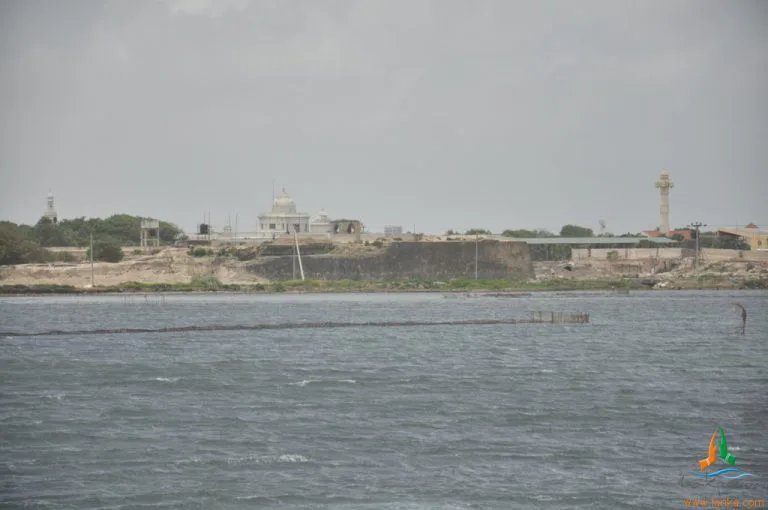
A guide to Jaffna and Sri Lanka's Northern Province: a four-century Tamil kingdom, colonial layers, post-war recovery, visiting tips and map.
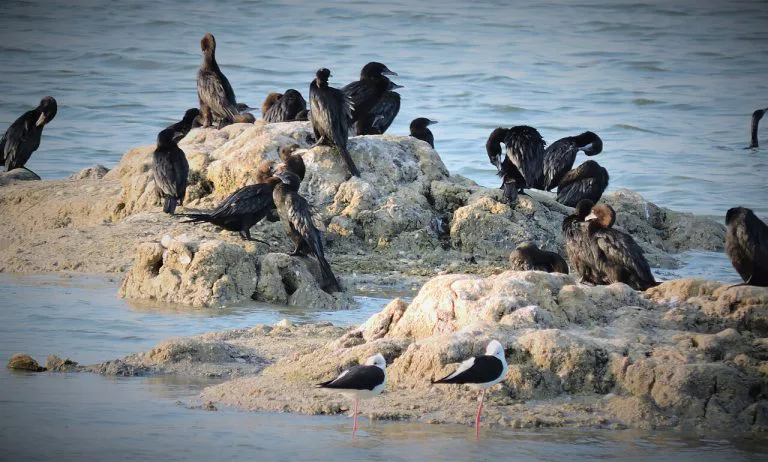
A guide to the Jaffna Peninsula: its temples, ancient sites, beaches and colonial heritage, spanning Jaffna city and its surrounding villages.
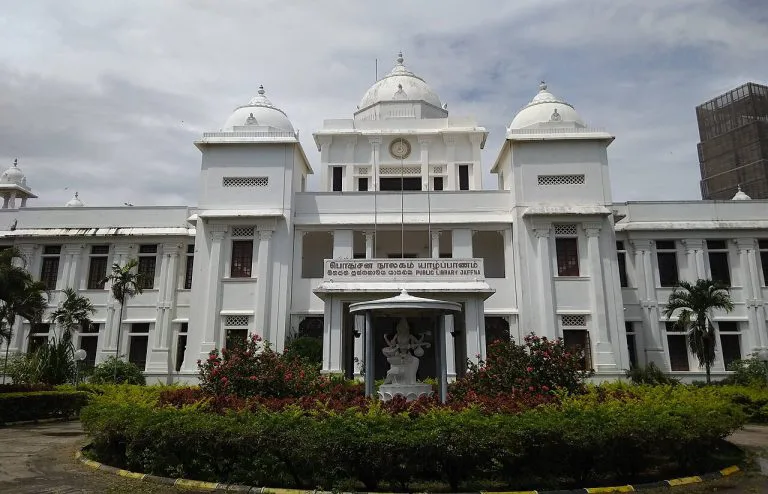
A guide to Jaffna city: capital of a 400-year Tamil kingdom, its library's destruction and rebirth, post-war recovery, visiting tips and map.













