

Dsigngo is a Graphic Design and Digital Marketing Company.
Write what you are looking for and press enter to begin your search!

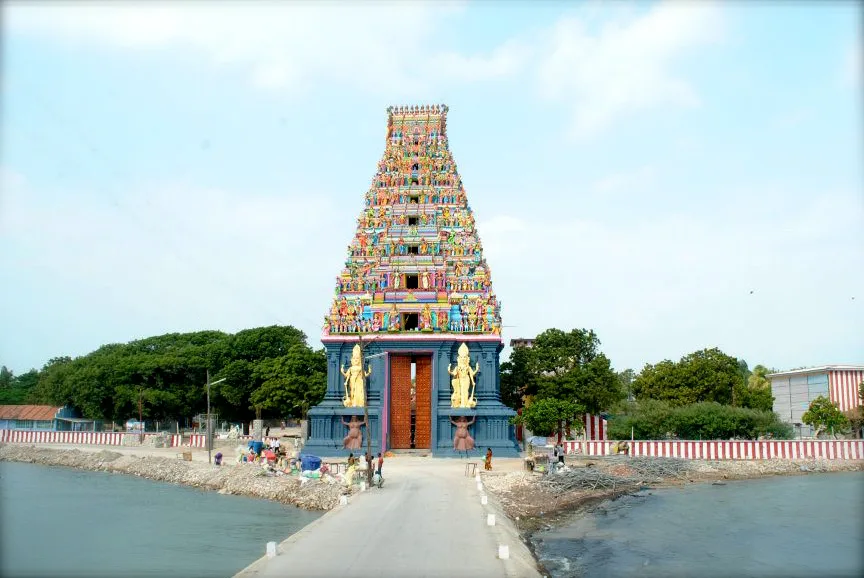
Jaffna Islands, The North
Nainativu
Fewer than a kilometre apart, one of Hinduism’s 64 sacred Shakti Peethas and one of Buddhism’s sixteen holiest Sri Lankan sites draw separate streams of pilgrims to the very same small island, with genuinely little friction between them.
Nainativu, also called Nagadeepa, holds a genuinely rare distinction among Sri Lankan pilgrimage sites: a major Hindu temple and one of Buddhism’s holiest local shrines coexist within a few hundred metres of one another, each drawing its own devoted pilgrims without any apparent tension between them.
Quick Facts
| Location | Jaffna Islands, reached via Kurikadduwan Jetty on Punkudutivu |
| Also known as | Nagadeepa |
| Hindu shrine | Nagapooshani Amman Kovil, one of 64 Shakti Peethas |
| Buddhist shrine | Nagadeepa Purana Raja Maha Viharaya, one of Sri Lanka’s 16 holiest Buddhist sites |
| Buddhist legend | The Buddha’s second visit to Sri Lanka, settling a dispute between two Naga kings |
| Ancient references | Mentioned in Tamil Sangam literature (as Manipallavam) and the Mahavamsa |
Commonly searched as: Nainativu · Nagadeepa Vihara · Nagapooshani Amman Kovil · Jaffna Islands pilgrimage · things to do in Jaffna Islands
Where the Buddha Settled a Royal Dispute
Nagadeepa’s central Buddhist legend describes the Buddha’s second visit to Sri Lanka, traditionally dated to 550 BCE, undertaken specifically to mediate a dispute between two warring Naga kings, Chulodara and Mahodara, over possession of a gem-studded throne. According to the story, the Buddha successfully resolved the conflict, and the precious throne was subsequently offered to him before being returned to the Naga kings and enshrined within the Rajayathana stupa built to commemorate the event. Kings Devanampiyatissa and Dutugemunu are both credited with later developing and reconstructing the site, and it remains counted among the sixteen most sacred places of Buddhist worship anywhere in Sri Lanka, the Solosmasthana.
Like so many of the island’s Buddhist sites, Nagadeepa Vihara suffered destruction during successive Portuguese, Dutch and British colonial periods. It was rediscovered and reconstructed beginning in 1931, when Ven. Randombe Somatissa Nayake Thero visited the site, identified the ruins of the original stupa and the Kiripalu Nuga tree, and began restoration efforts supported by donors, work that continued under subsequent chief incumbents. Much of what stands today, including a silver-painted stupa and a bronze Buddha image donated by the Burmese government in 1956, dates to that 20th-century reconstruction rather than any surviving ancient structure.
One of 64 Sacred Seats of the Goddess
A short walk or tuk-tuk ride away sits the Nagapooshani Amman Kovil, one of the 64 Shakti Peethas recognised across the wider Hindu world, sacred sites associated with the goddess Sati in her form as Bhuvaneswari or Nagapooshani. That designation places the temple within an elite category of pan-Hindu sacred geography, and the kovil hosts what’s considered the largest predominantly Hindu festival anywhere in Sri Lanka, drawing considerable crowds during its major celebration period.
Two Faiths, One Island, No Apparent Conflict
What genuinely distinguishes a visit to Nainativu is witnessing both religious communities sharing such a small island peacefully, each with its own dedicated jetty for arriving ferries, boats carrying predominantly Hindu passengers dock near the Amman Kovil, while those carrying more Buddhist pilgrims dock near the vihara. Visitors consistently describe a genuine, unforced sense of mutual respect between the two pilgrim communities, an atmosphere many find quietly moving given Sri Lanka’s broader history of religious and ethnic tension.
Visiting Tips
- Take the roughly 15 to 20-minute boat ride from Kurikadduwan Jetty on Punkudutivu island.
- Visit both temples in the same trip, connected by a short, walkable distance or a quick tuk-tuk ride.
- Dress modestly for both sites, and remove shoes as required.
- Check current boat schedules in advance, since departure times and destinations depend on which temple most passengers are heading toward.
Where It Sits on the Map
Nainativu (Nagadeepa), Jaffna Islands Open in Google Maps ↗
Frequently Asked Questions
Why is Nainativu significant to Buddhists?
It’s traditionally identified as the site of the Buddha’s second visit to Sri Lanka, where he mediated a dispute between two Naga kings, and is counted among the country’s sixteen holiest Buddhist sites.
Why is Nainativu significant to Hindus?
The Nagapooshani Amman Kovil there is one of 64 Shakti Peethas recognised across the Hindu world, and hosts Sri Lanka’s largest predominantly Hindu festival.
How do visitors reach Nainativu?
By a roughly 15 to 20-minute boat ride from Kurikadduwan Jetty on nearby Punkudutivu island.
Is the Buddhist temple’s current structure ancient?
No, much of what stands today dates to reconstruction beginning in 1931, after the original site was destroyed during successive colonial periods.
← Sri Lanka: The Complete Guide — see all 258 places by region
Related News
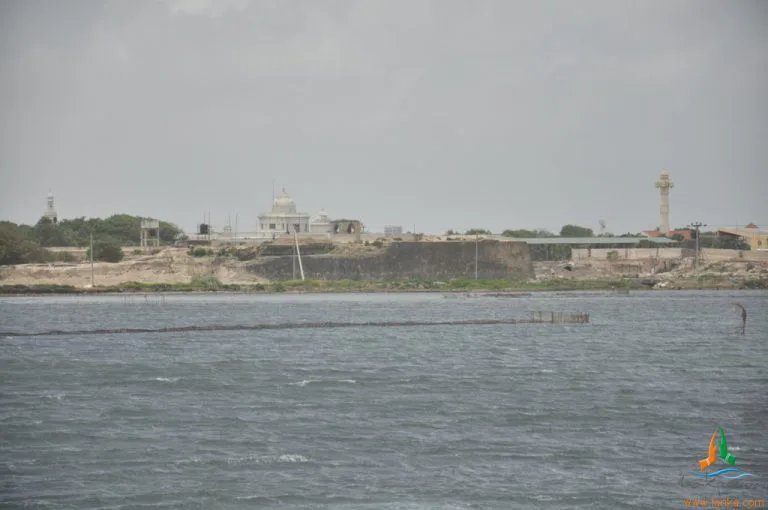
A guide to Jaffna and Sri Lanka's Northern Province: a four-century Tamil kingdom, colonial layers, post-war recovery, visiting tips and map.
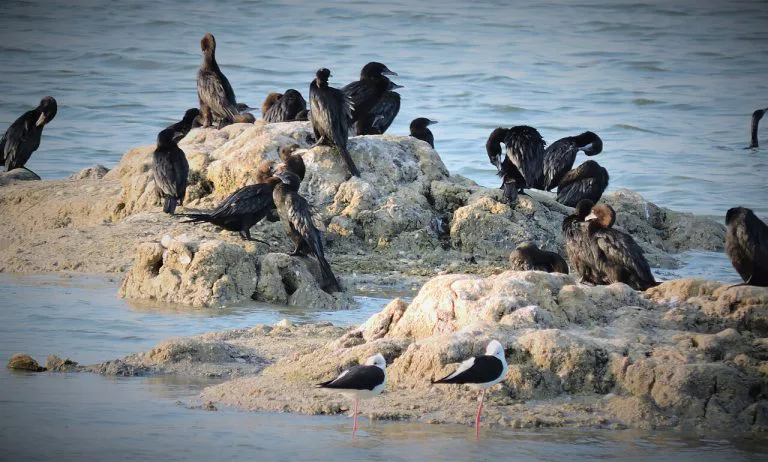
A guide to the Jaffna Peninsula: its temples, ancient sites, beaches and colonial heritage, spanning Jaffna city and its surrounding villages.
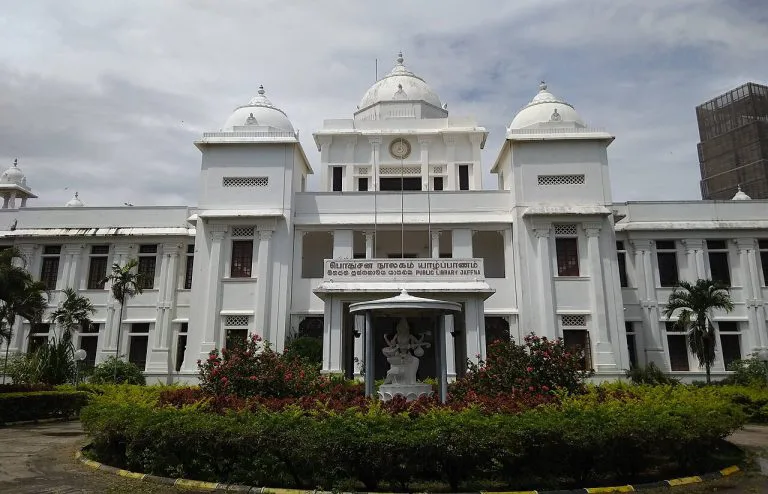
A guide to Jaffna city: capital of a 400-year Tamil kingdom, its library's destruction and rebirth, post-war recovery, visiting tips and map.













