

Dsigngo is a Graphic Design and Digital Marketing Company.
Write what you are looking for and press enter to begin your search!

Near Kandy, Hill Country
Embekke Devale
A shrine built to honour a 3rd-century king, whose 14th-century wooden pillars have been identified by UNESCO as among the finest examples of wood carving found anywhere in the world.
Where Gadaladeniya and Lankatilaka impress with stone, Embekke Devale does something different entirely: its wooden pillars, carved with peacocks, wrestlers, dragons, dancers and soldiers, have been singled out by UNESCO as among the finest examples of wood carving found anywhere on Earth.
Quick Facts
| Location | Medapalata Korale, Udunuwara, Kandy District |
| Built by | King Vikramabahu III |
| Dedicated to | King Mahasena (277 to 304 CE) and the deity Kataragama |
| Also honours | Devatha Bandara |
| Key structures | Sanctum (Garagha), Dancing Hall, Drummers’ Hall |
| UNESCO recognition | Wooden pillar carvings identified as world-class craftsmanship |
Commonly searched as: Embekke Devale · Embekke Devalaya · Sri Lanka wood carving · Three Temples Loop · things to do near Kandy
A Shrine Honouring an Ancient King
Embekke Devale was built by King Vikramabahu III specifically to honour King Mahasena, who reigned from 277 to 304 CE, a Sri Lankan monarch remembered for significant irrigation and religious building projects centuries before Embekke itself was constructed. Alongside that royal dedication, the devale also honours Kataragama Deviyo, a major guardian deity in Sri Lankan Buddhist and Hindu tradition, and Devatha Bandara, giving the shrine a layered devotional purpose spanning both historical royal reverence and ongoing religious practice.
The devale is organised into three principal sections: the Sanctum, known as the Garagha, the Dancing Hall, and the Drummers’ Hall, each serving a distinct function within the temple’s ceremonial life, with drumming and dance historically forming an integral part of worship at Kataragama-dedicated shrines across Sri Lanka.
Wood Carving Recognised Globally
The Drummers’ Hall is Embekke’s undisputed highlight, an open-sided structure supported by hand-carved wooden pillars depicting an extraordinarily varied range of motifs: peacocks, swans, wrestlers locked in combat, dragons, dancers, horsemen and soldiers, all rendered with a level of detail and dynamism that UNESCO has specifically identified as among the finest wood carving found anywhere in the world. The hall’s high-pitched roof adds further architectural interest, framing the carved pillars in a way that draws the eye immediately upward on entry.
A Living Historical Record
Historical evidence suggests the devale underwent repairs during the reigns of later Sinhalese Kings of Kandy, meaning the wooden carvings visitors see today likely represent a preserved and maintained tradition of craftsmanship stretching across multiple centuries and successive royal patrons, rather than a single untouched moment frozen in time.
Visiting Tips
- Take your time in the Drummers’ Hall specifically; the carved pillars reward slow, close inspection rather than a quick walk-through.
- Reach the temple easily from the Colombo-Kandy main road at Pilimathalawa, with clear signposting along the way.
- Visit as the final stop on the Three Temples Loop, after Gadaladeniya and Lankatilaka, the sequence most commonly recommended.
- Photography of the carvings is generally permitted, but be respectful of any ongoing worship or ceremonies taking place.
Craftsmanship as a Form of Storytelling
What sets Embekke’s carvings apart from decorative woodwork elsewhere isn’t just technical skill, it’s narrative ambition. Each pillar functions almost like a scene captured mid-motion, wrestlers locked in genuine physical tension, dancers frozen at the height of a movement, horsemen caught in full stride, giving the Drummers’ Hall a quality closer to a gallery of miniature sculptures than a purely structural or ornamental feature. That storytelling instinct, choosing to depict dynamic human and animal action rather than static, purely symbolic patterns, is part of why art historians and UNESCO assessors alike have singled out this particular collection of carvings for such high praise, and why even visitors with no particular background in art history tend to find themselves lingering here longer than they initially planned.
Where It Sits on the Map
Embekke Devale, Medapalata Korale, Udunuwara Open in Google Maps ↗
Frequently Asked Questions
Who built Embekke Devale and why?
King Vikramabahu III built it to honour King Mahasena, a Sri Lankan monarch who reigned from 277 to 304 CE, alongside dedications to the deity Kataragama and Devatha Bandara.
What is Embekke Devale most famous for?
Its wooden pillars in the Drummers’ Hall, carved with peacocks, wrestlers, dragons, dancers and soldiers, recognised by UNESCO as among the finest examples of wood carving anywhere in the world.
How does Embekke differ from Gadaladeniya and Lankatilaka?
While those two temples showcase stone architecture and carving, Embekke’s defining feature is its wooden craftsmanship, offering a different artistic medium within the same Three Temples Loop.
Is Embekke still an active place of worship?
Yes, it remains an active devale, with worship practices tied to its dedication to Kataragama Deviyo continuing alongside its role as a heritage site.
← Sri Lanka: The Complete Guide — see all 258 places by region
Related News
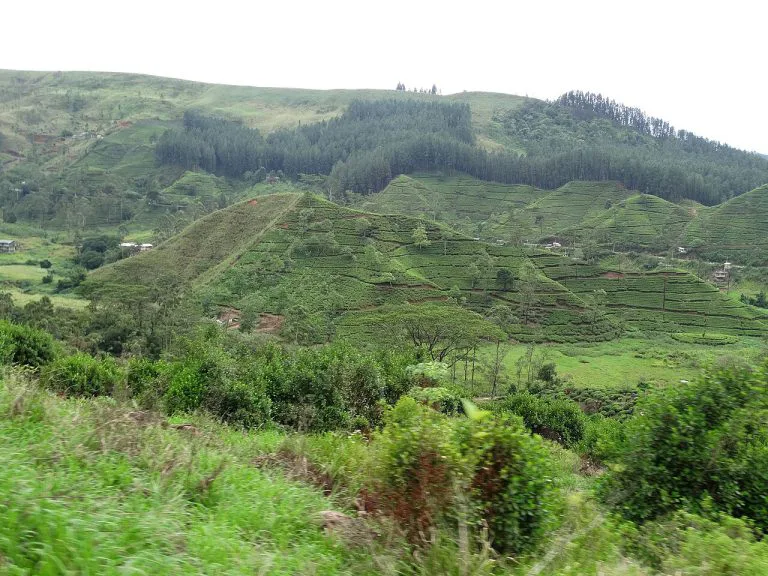
A guide to Sri Lanka's Hill Country: Kandy, tea plantations, Ella, Adam's Peak, Horton Plains, and travel tips.
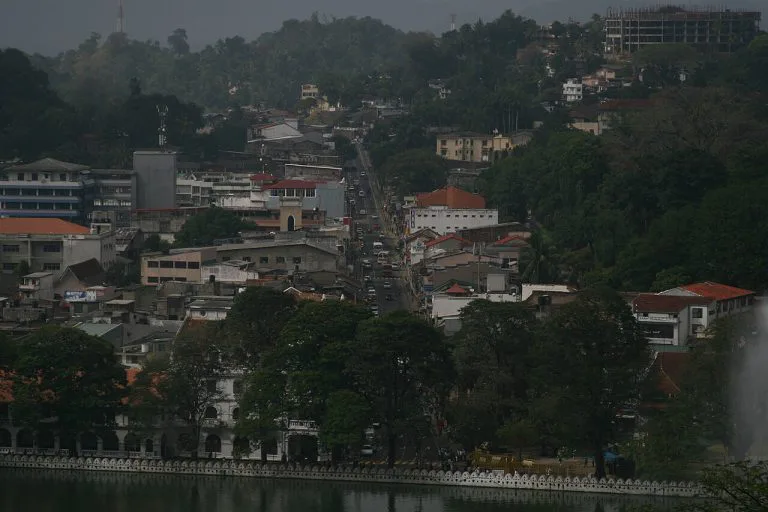
A complete guide to Kandy: the last Sinhalese kingdom's fall in 1815, the Temple of the Tooth, Kandy Lake, and visiting tips.
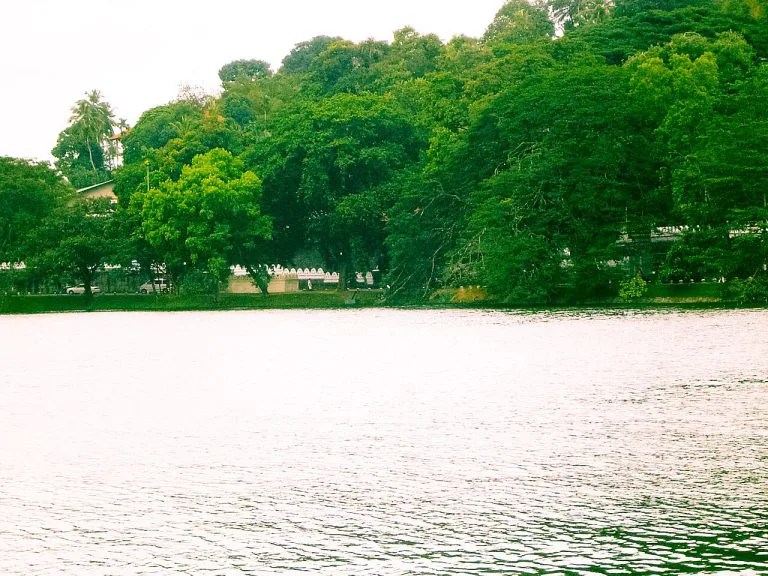
A guide to Kandy Lake, built by the last king of Kandy in 1807: its dark construction history, the island retreat, walking the shore, and...













