

Dsigngo is a Graphic Design and Digital Marketing Company.
Write what you are looking for and press enter to begin your search!

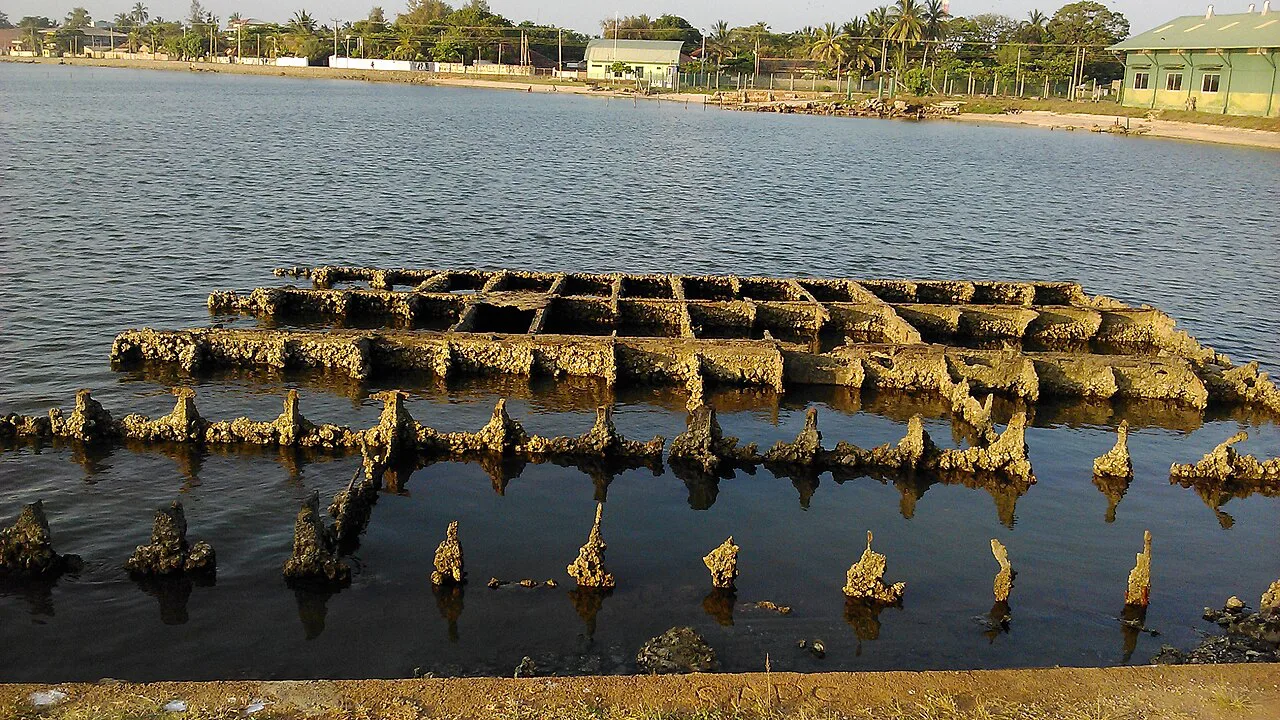
Trincomalee, The East
Dutch Bay
A smaller, sheltered cove tucked within Trincomalee’s vast natural harbour, named for the Dutch colonial power that once fought to control the same strategic waters.
Dutch Bay’s name is a small but telling reminder of just how many European powers left their mark on Trincomalee’s geography, a quiet, sheltered cove within the town’s much larger natural harbour, named for the colonial administration that once held these waters.
Quick Facts
| Location | Within Trincomalee’s main natural harbour |
| Character | A smaller, sheltered cove, calmer than the open sea |
| Name origin | Reflects the Dutch colonial period of control over Trincomalee |
| Modern development | Home to newer beachfront hotel accommodation |
| Nearby sights | Fort Frederick, Koneswaram Temple, Back Bay |
| Best for | A relaxed, sheltered alternative to the open-ocean beaches further north |
Commonly searched as: Dutch Bay Trincomalee · Trincomalee harbour coves · Trincomalee beaches · Trincomalee accommodation · things to do in Trincomalee
One Cove Within a Much Larger Harbour
Trincomalee‘s overall harbour ranks among the finest natural anchorages anywhere in the world, and Dutch Bay represents one of its smaller, more sheltered sections, a calmer cove tucked within the larger body of water that made the town such a prized strategic asset for successive colonial powers. The name itself is a direct legacy of that colonial contest, the Dutch controlled Trincomalee for a significant stretch of its history, having captured the harbour from the Portuguese in 1639 before eventually losing it to the British.
That layered colonial naming is common throughout Trincomalee’s geography, with Back Bay and other harbour sections carrying their own distinct historical associations, together forming a map of the town shaped as much by which European power controlled which stretch of water at a given point in history as by the natural contours of the coastline itself.
Locals and repeat visitors sometimes use these named coves as informal shorthand for different moods within the town, Dutch Bay for calm relaxation, the open beaches further north for more active swimming or surf, a practical, everyday geography layered directly on top of centuries-old colonial place-naming.
A Calmer Alternative Within the Harbour
Because Dutch Bay sits sheltered within the wider harbour rather than facing the open ocean directly, its waters tend to be noticeably calmer than the more exposed beaches further north at Uppuveli and Nilaveli, making it a popular spot for a relaxed swim or simply enjoying harbour views without contending with stronger surf or currents. In recent years, the area has also seen the development of modern beachfront hotel accommodation, adding a contemporary tourism layer to a stretch of coastline whose name still points back centuries to Dutch colonial administration.
Sunset Over the Harbour
Dutch Bay’s position within the sheltered harbour makes it a genuinely appealing spot for watching the sunset, the calm water reflecting the sky’s colours without the wave action that can complicate photography at more exposed beach locations along the East Coast.
Visiting Tips
- Combine with a visit to Fort Frederick and Koneswaram Temple, both within reasonable reach of the harbour area.
- Visit at sunset for calm, reflective harbour views.
- Consider Dutch Bay as a base if seeking sheltered, calmer waters compared to Uppuveli or Nilaveli further north.
- Ask locally about current hotel and accommodation options, given the area’s ongoing development.
A Small Reminder of a Much Bigger Contest
It’s easy to walk past a place name like Dutch Bay without registering its significance, but the label itself is a compressed piece of history: a reminder that this particular stretch of water was, for a meaningful stretch of the 17th and 18th centuries, genuinely contested ground between European colonial powers who recognised Trincomalee’s harbour as one of the most strategically valuable anchorages anywhere in the Indian Ocean. Standing at the water’s edge today, looking out over calm, sheltered water now used mainly for relaxation and hotel development, it’s worth remembering that the same cove once factored directly into naval strategy spanning multiple empires.
Where It Sits on the Map
Dutch Bay, within Trincomalee’s natural harbour Open in Google Maps ↗
Frequently Asked Questions
Why is it called Dutch Bay?
It reflects the period of Dutch colonial control over Trincomalee’s harbour, part of the broader contest between European powers for the strategic port.
How does Dutch Bay compare to Uppuveli and Nilaveli beaches?
It’s more sheltered, sitting within the main harbour rather than facing the open ocean, giving it calmer waters than the more exposed beaches further north.
What is nearby Dutch Bay?
Fort Frederick and Koneswaram Temple are both within reasonable reach, along with newer beachfront hotel development.
Is Dutch Bay good for swimming?
Yes, its sheltered position within the harbour generally means calmer conditions than more exposed East Coast beaches.
← Sri Lanka: The Complete Guide — see all 258 places by region
Related News
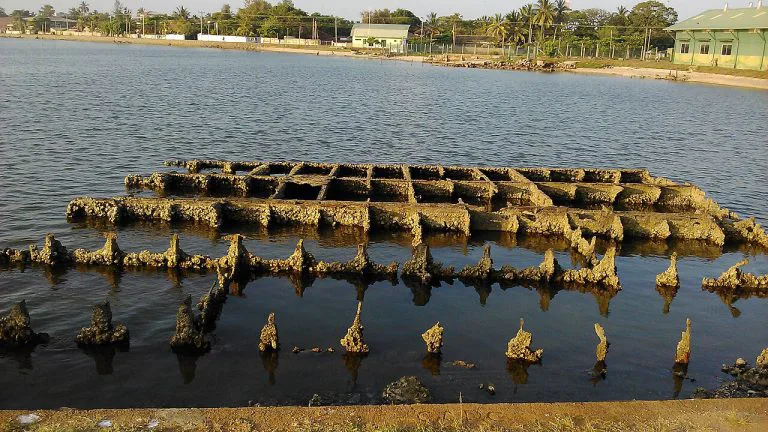
A guide to Sri Lanka's East Coast: Trincomalee, Batticaloa, Arugam Bay, wildlife parks, and the region's unique dry-season timing.
A guide to Trincomalee: one of the world's finest natural harbours, its ancient temple, colonial and WWII history, visiting tips and map.
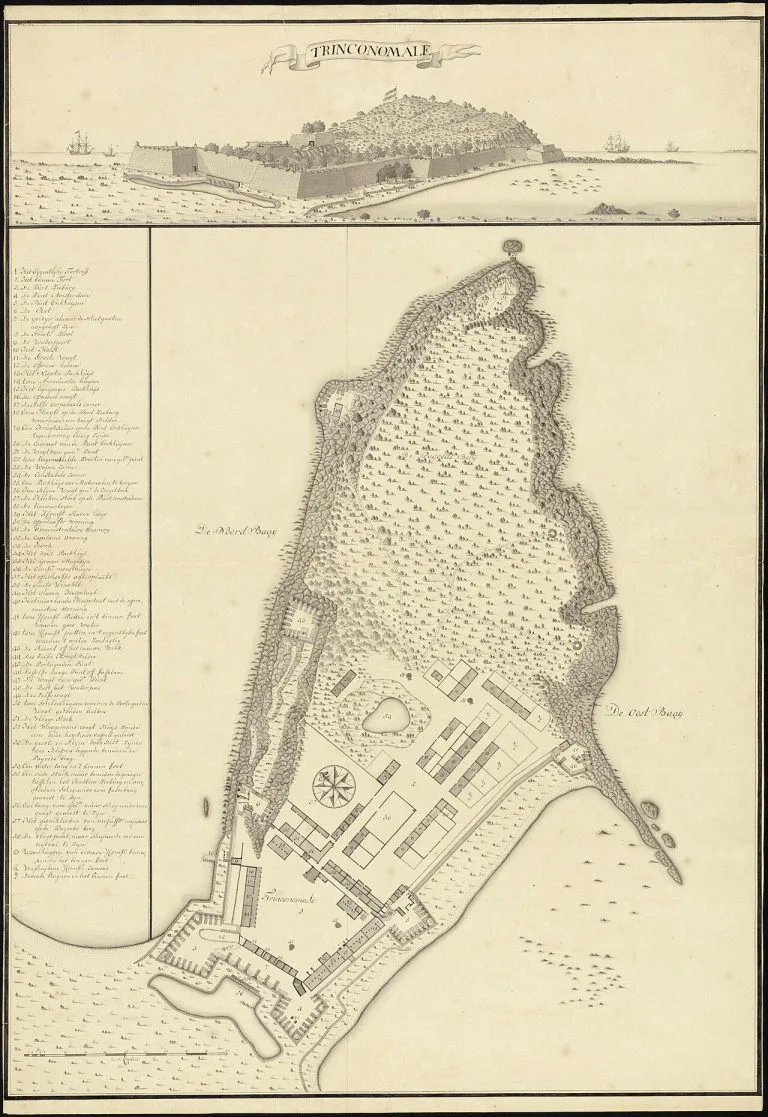
A guide to Fort Frederick in Trincomalee: built from a demolished temple's stones, still an active Sri Lankan military base, its resident deer, visiting tips...













