

Dsigngo is a Graphic Design and Digital Marketing Company.
Write what you are looking for and press enter to begin your search!

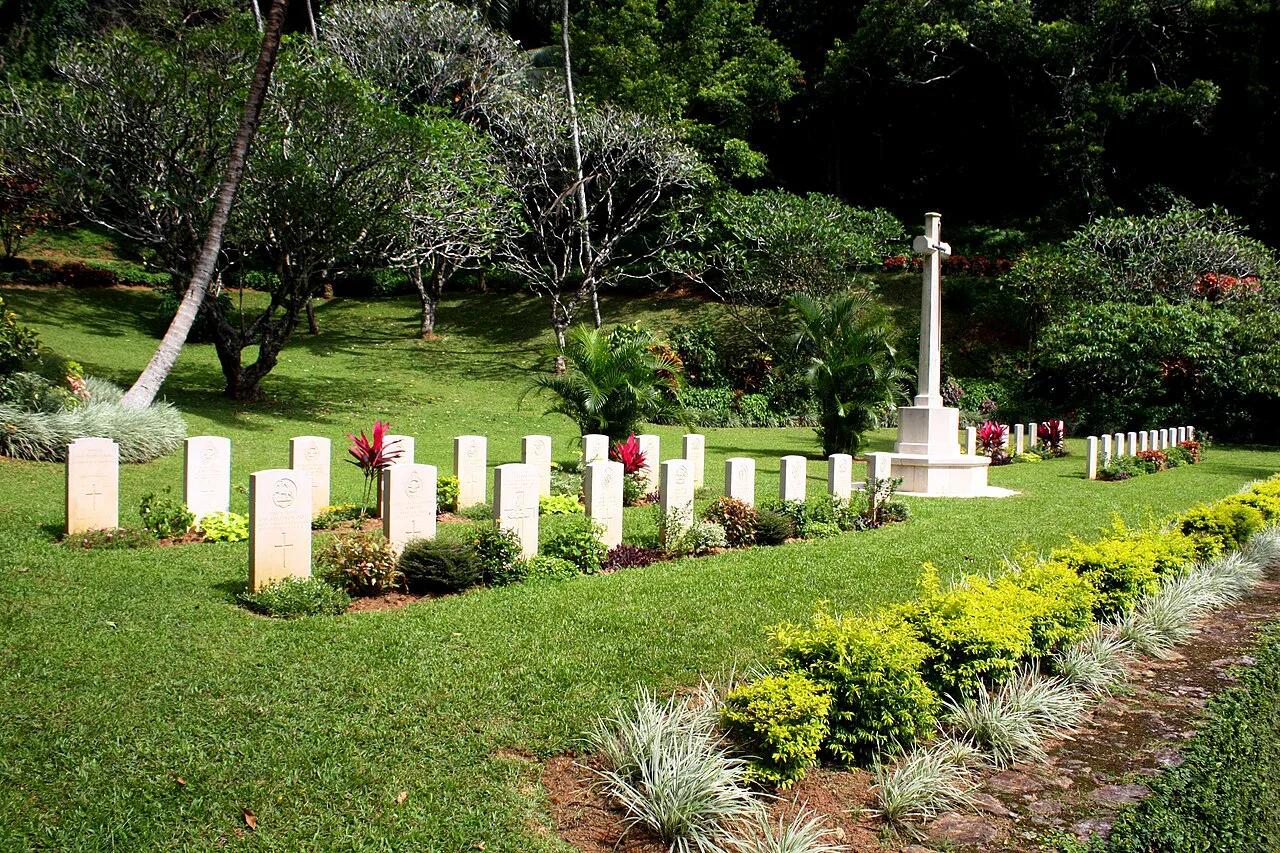
Near Trincomalee, The East
Commonwealth War Cemetery
Row after row of white headstones mark the graves of Allied servicemen who died defending a naval base most people today have never heard was ever under serious threat.
Trincomalee’s strategic importance as the primary Allied naval base in South Asia after the fall of Singapore came at a real human cost, and this quiet, meticulously maintained cemetery holds the physical evidence of that cost, hundreds of Commonwealth servicemen who never made it home.
Quick Facts
| Location | Nilaveli Road, about 6 km north of Trincomalee town |
| Built | 1948, following the Second World War |
| Managed by | The Commonwealth War Graves Commission, maintained by Sri Lanka’s Ministry of Defence |
| Number of graves | Sources vary between roughly 300 and over 360 |
| Original name | The Combined Services Cemetery |
| Best visiting time | Sunset, when light falls directly on the headstones |
Commonly searched as: Commonwealth War Cemetery Trincomalee · Trincomalee War Cemetery · WWII cemetery Sri Lanka · Trincomalee Nilaveli Road · things to do near Trincomalee
A Naval Base That Came Under Direct Attack
After the fall of Singapore to Japanese forces in 1942, Trincomalee‘s world-class natural harbour took on a new, urgent strategic importance, becoming a key base for Allied command of shipping across the Bay of Bengal and the wider Indian Ocean. That importance made it a genuine target: Japanese aircraft bombed Trincomalee that same year, and the servicemen who died defending the base and the surrounding waters, from the Royal Navy, Royal Air Force, and other Commonwealth forces, needed a permanent resting place. The cemetery was originally established as the Combined Services Cemetery, before the Admiralty formally took it over from military authorities in April 1948, converting it into a permanent naval war cemetery.
When British forces withdrew from Ceylon following independence, ownership passed to the Ceylon government, which granted the Commonwealth War Graves Commission permanent security of tenure over the site, an arrangement that has ensured its continued careful maintenance ever since. War graves from several other burial sites, including Trincomalee’s St. Mary’s and St. Stephen’s cemeteries, Jaffna’s Kottadi Cemetery, and the Vavuniya Combined Cemetery, were subsequently transferred here, consolidating the region’s Commonwealth war dead into a single, dedicated site.
Rows of Names, Ranks and Ages
Sources give slightly varying totals for the number of graves, ranging from around 300 to over 360, but all describe the same immaculately maintained landscape: neat rows of white headstones set against carefully manicured lawns, each stone recording a name, rank, regiment, date of death, and often a personal inscription chosen by grieving family members back home. Visitors consistently describe the emotional weight of reading the ages recorded on many of the stones, young men, often barely out of their teens, who died defending a harbour thousands of miles from wherever they’d grown up.
Visiting With Respect
The cemetery remains an active site of remembrance rather than a purely historical curiosity, and visitors are typically asked for a small donation upon entry to support its ongoing upkeep. Sunset is widely recommended as the best time to visit, when the low, warm light falls directly across the rows of headstones, creating a genuinely moving, contemplative atmosphere for anyone taking the time to walk among the graves.
For visitors travelling through the East Coast primarily for its beaches and wildlife, the cemetery offers a genuinely worthwhile counterpoint, a reminder that this same stretch of coastline, now associated mainly with relaxation and snorkelling, played a direct and costly role in a global conflict fought largely elsewhere on the map.
Visiting Tips
- Visit at sunset for the most atmospheric light and the recommended best time for photography and reflection.
- Be prepared for a small entrance donation, which supports the cemetery’s continued upkeep.
- Combine with a visit to Uppuveli or Nilaveli, both nearby along the same road.
- Approach the site with the quiet respect due an active memorial to the war dead, rather than purely as a photo stop.
Where It Sits on the Map
Commonwealth War Cemetery, Nilaveli Road, near Trincomalee Open in Google Maps ↗
Frequently Asked Questions
Why is there a war cemetery in Trincomalee?
The town served as the primary Allied naval base in South Asia after the fall of Singapore in 1942, and was bombed by Japanese aircraft that same year; the cemetery holds Commonwealth servicemen who died defending the base.
How many graves does the cemetery hold?
Sources vary, citing figures ranging from roughly 300 to over 360 graves.
Who maintains the cemetery today?
The Commonwealth War Graves Commission, with maintenance support from Sri Lanka’s Ministry of Defence.
When is the best time to visit?
Sunset, when light falls directly across the headstones, creating the most striking and contemplative atmosphere.
← Sri Lanka: The Complete Guide — see all 258 places by region
Related News
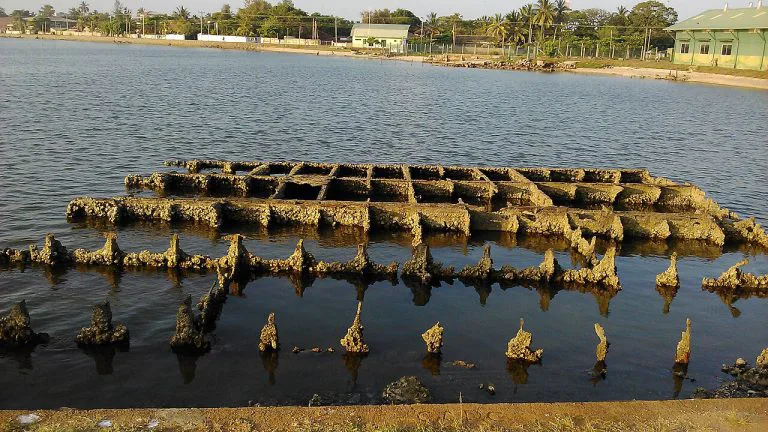
A guide to Sri Lanka's East Coast: Trincomalee, Batticaloa, Arugam Bay, wildlife parks, and the region's unique dry-season timing.
A guide to Trincomalee: one of the world's finest natural harbours, its ancient temple, colonial and WWII history, visiting tips and map.
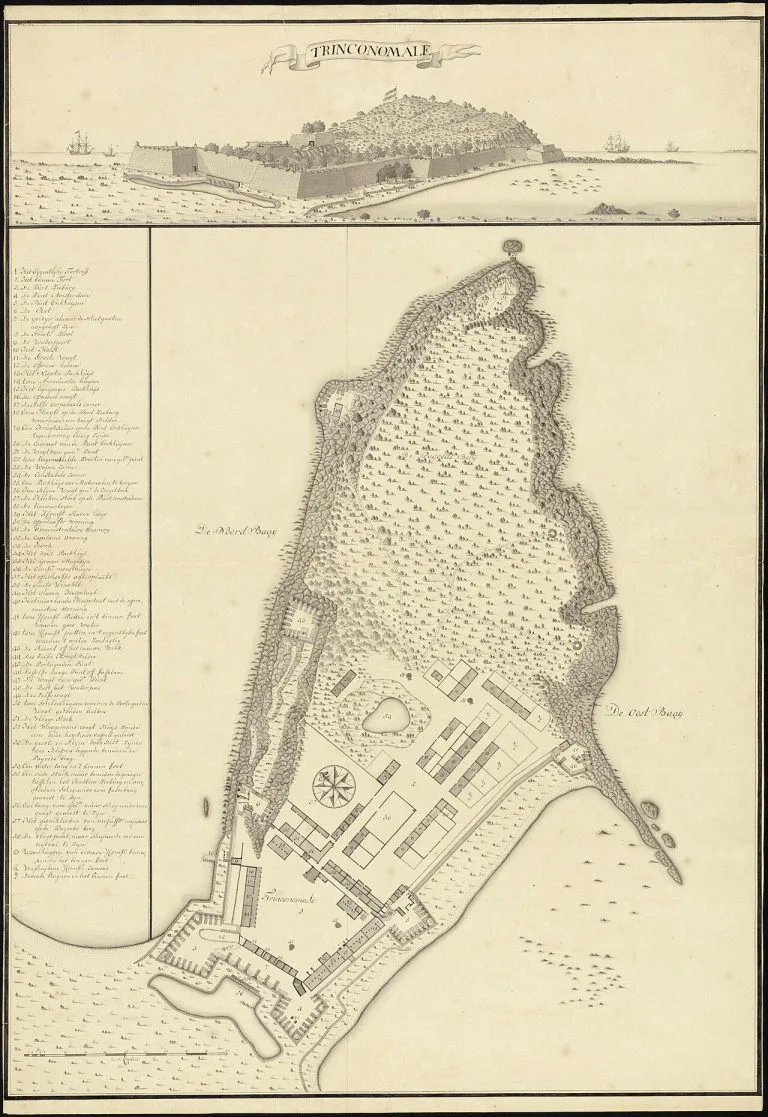
A guide to Fort Frederick in Trincomalee: built from a demolished temple's stones, still an active Sri Lankan military base, its resident deer, visiting tips...













