

Dsigngo is a Graphic Design and Digital Marketing Company.
Write what you are looking for and press enter to begin your search!

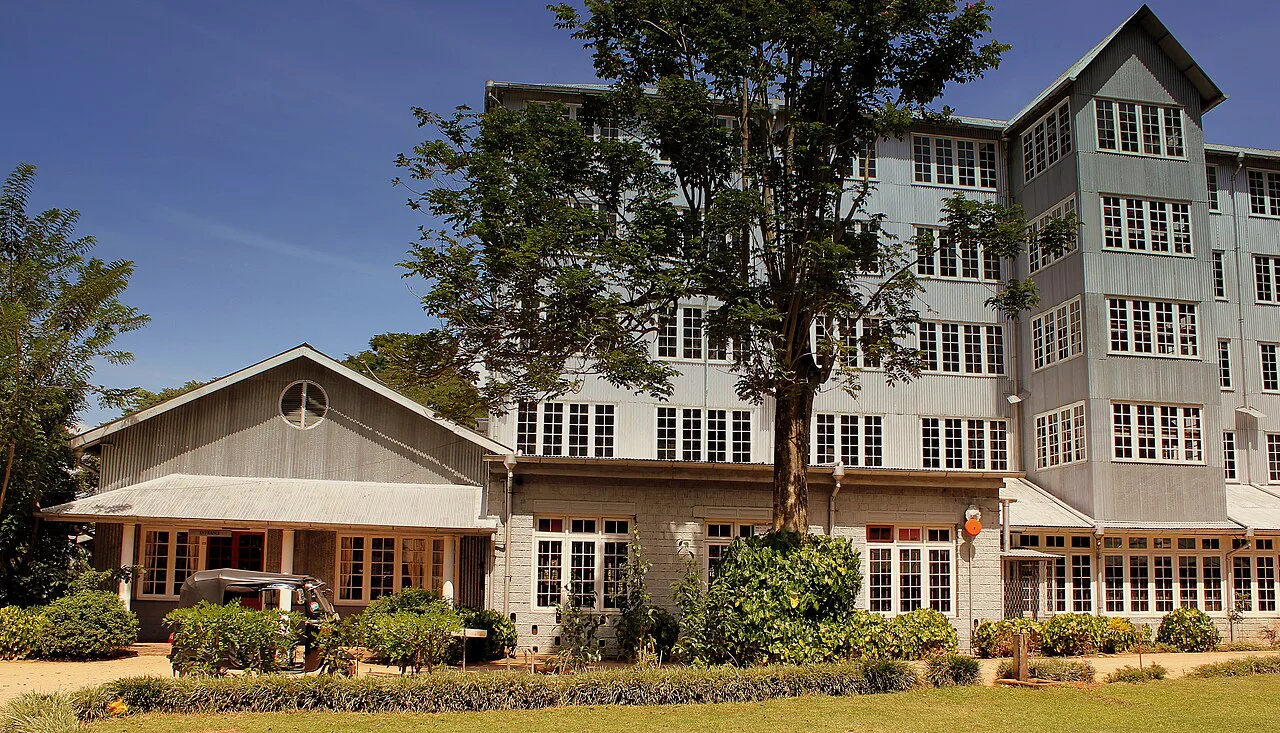
Hantana, near Kandy
Ceylon Tea Museum
A 1925 tea factory, abandoned for over a decade before being reborn as a museum, tells the story of a 19-year-old Scottish teenager whose experimental plantation grew into one of the world’s great tea industries.
James Taylor was just sixteen when he boarded a ship for Ceylon in 1851, arriving the following year with no way of knowing he’d eventually be remembered as the father of an entire national industry. The Ceylon Tea Museum, housed in a factory built decades after his death, tells that story from the ground up.
Quick Facts
| Location | Hantana, about 4 km south of Kandy |
| Building | Former Hantana Tea Factory, built 1925 |
| Converted to museum | Opened 1 December 2001, by the Sri Lanka Tea Board and Planters’ Association |
| Key figure | James Taylor (1835 to 1892), the ‘father of Ceylon tea’ |
| First tea plantation | Loolecondera Estate, Deltota, 1867 (19 acres) |
| Floors | Four, covering machinery, library/archives, retail, and a top-floor tea cafe |
Commonly searched as: Ceylon Tea Museum Kandy · James Taylor tea planter · Hantana Tea Factory · Kandy tea history · things to do in Kandy
A Teenager Who Became ‘The Father of Ceylon Tea’
James Taylor was born on 29 March 1835 in Aberdeenshire, Scotland, and left home at just sixteen, boarding a ship for Ceylon in October 1851 and arriving in February 1852. He made his way to the Loolecondera Estate in Deltota, roughly 40 km from Kandy, and took over management of the property after its owner died in 1857. It was during his time there that Taylor planted Ceylon’s first commercial tea crop, in 1867, on a modest 7.7-hectare (19-acre) plot, initially just one of many experimental crops being tried in a colony still overwhelmingly dependent on coffee.
That timing turned out to be prescient. When a coffee leaf rust epidemic devastated Ceylon’s coffee plantations starting in 1869, planters across the island scrambled for an alternative, and Taylor’s small tea experiment suddenly looked like the answer everyone needed. He built a fully equipped tea factory at Loolecondera in 1872, personally designing rolling machinery, and export volumes tell the rest of the story: from just 23 pounds of tea exported in the crop’s earliest years to 81 tonnes during Taylor’s lifetime, reaching 22,900 tonnes by 1890, not long after his death in 1892. Taylor lived at Loolecondera until the end, having spent more than half his life in Ceylon building an industry that would eventually define the country’s global economic identity.
A Factory Reborn as a Museum
The museum itself occupies a different building from Taylor’s original estate: the Hantana Tea Factory, built in 1925, sitting in the hills just four kilometres from Kandy, overlooking the Knuckles Range. Like many working factories, it eventually fell out of active use and sat abandoned for more than a decade before the Sri Lanka Tea Board and Planters’ Association restored it, opening it to the public as the Ceylon Tea Museum on 1 December 2001.
What’s on Each Floor
The ground floor holds the museum’s oldest and most tactile exhibits: 19th and early 20th-century colonial-era machinery including generators, rollers, dryers, fermentation tables and sorting equipment, among them the “Little Giant Tea Roller,” a hand-operated machine over a century old, and a Venetian Drier made by W&J Jackson in 1880. The upper floors hold a dedicated room on James Taylor’s life, complete with a life-sized figure, personal belongings, and archival material, alongside exhibits honouring Sir Thomas Lipton, the Scottish merchant whose marketing helped make Ceylon tea a global household name. The top floor operates as a working tea cafe with panoramic views over Kandy and the surrounding hills, where visitors can take part in a guided tea-tasting session after their tour.
Visiting Tips
- Open Tuesday to Saturday, 8:30 am to 3:45 pm, and Sunday 8:30 am to 3:00 pm; closed Mondays and on Poya days falling on weekdays.
- Allow around an hour to properly see all four floors, plus extra time for tea in the top-floor cafe.
- The winding drive up to Hantana through tea estates is scenic in its own right; morning visits offer the coolest, clearest conditions.
- Combine with other Kandy sights, given the museum’s short distance, roughly 10 to 15 minutes by tuk-tuk, from the city centre.
Where It Sits on the Map
Ceylon Tea Museum, Hantana, near Kandy Open in Google Maps ↗
Frequently Asked Questions
Who is James Taylor and why does the museum focus on him?
Taylor was a Scottish planter who established Ceylon’s first commercial tea plantation in 1867 at Loolecondera Estate, and is remembered as the ‘father of Ceylon tea’ for launching the industry that replaced the island’s failed coffee economy.
What building houses the Ceylon Tea Museum?
The former Hantana Tea Factory, built in 1925, restored and opened as a museum on 1 December 2001.
What can visitors see inside?
Vintage tea-processing machinery, a room dedicated to James Taylor’s life, exhibits on Sir Thomas Lipton, a research library, and a top-floor cafe offering tea tasting with panoramic views.
How far is the museum from Kandy?
About 4 km, roughly 10 to 15 minutes by taxi or tuk-tuk from the city centre.
← Sri Lanka: The Complete Guide — see all 258 places by region
Related News
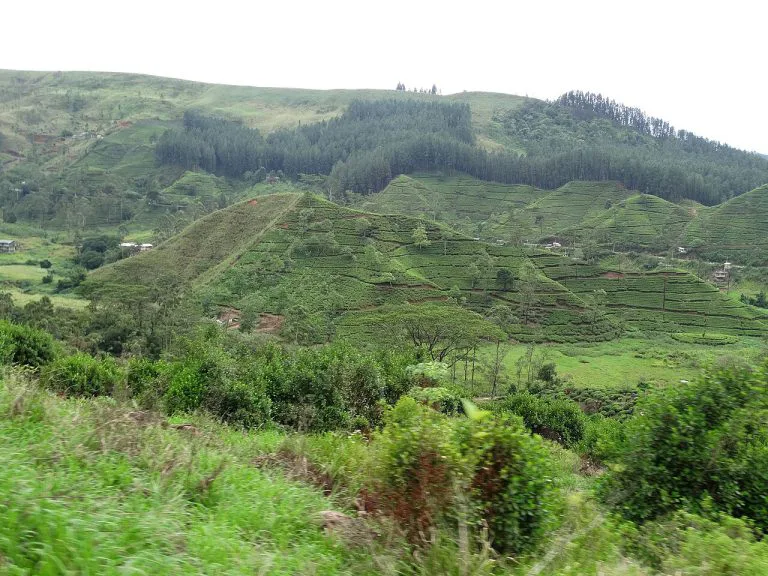
A guide to Sri Lanka's Hill Country: Kandy, tea plantations, Ella, Adam's Peak, Horton Plains, and travel tips.
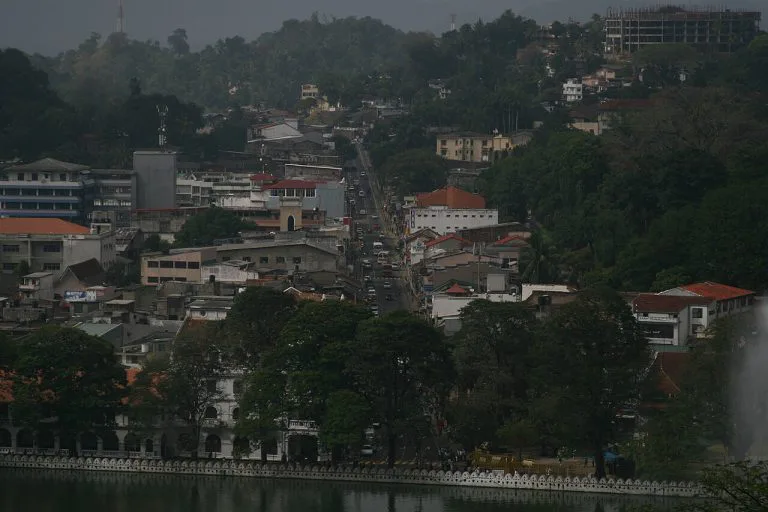
A complete guide to Kandy: the last Sinhalese kingdom's fall in 1815, the Temple of the Tooth, Kandy Lake, and visiting tips.
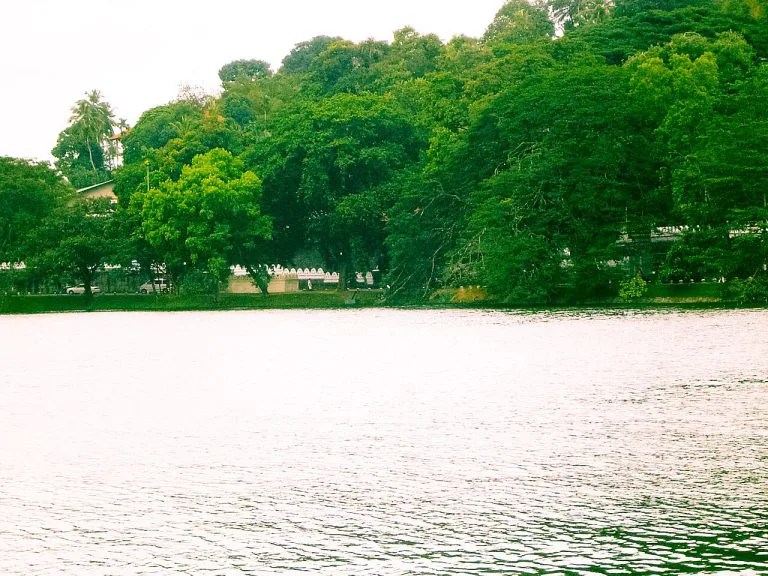
A guide to Kandy Lake, built by the last king of Kandy in 1807: its dark construction history, the island retreat, walking the shore, and...













