

Dsigngo is a Graphic Design and Digital Marketing Company.
Write what you are looking for and press enter to begin your search!

Ramboda, Hill Country
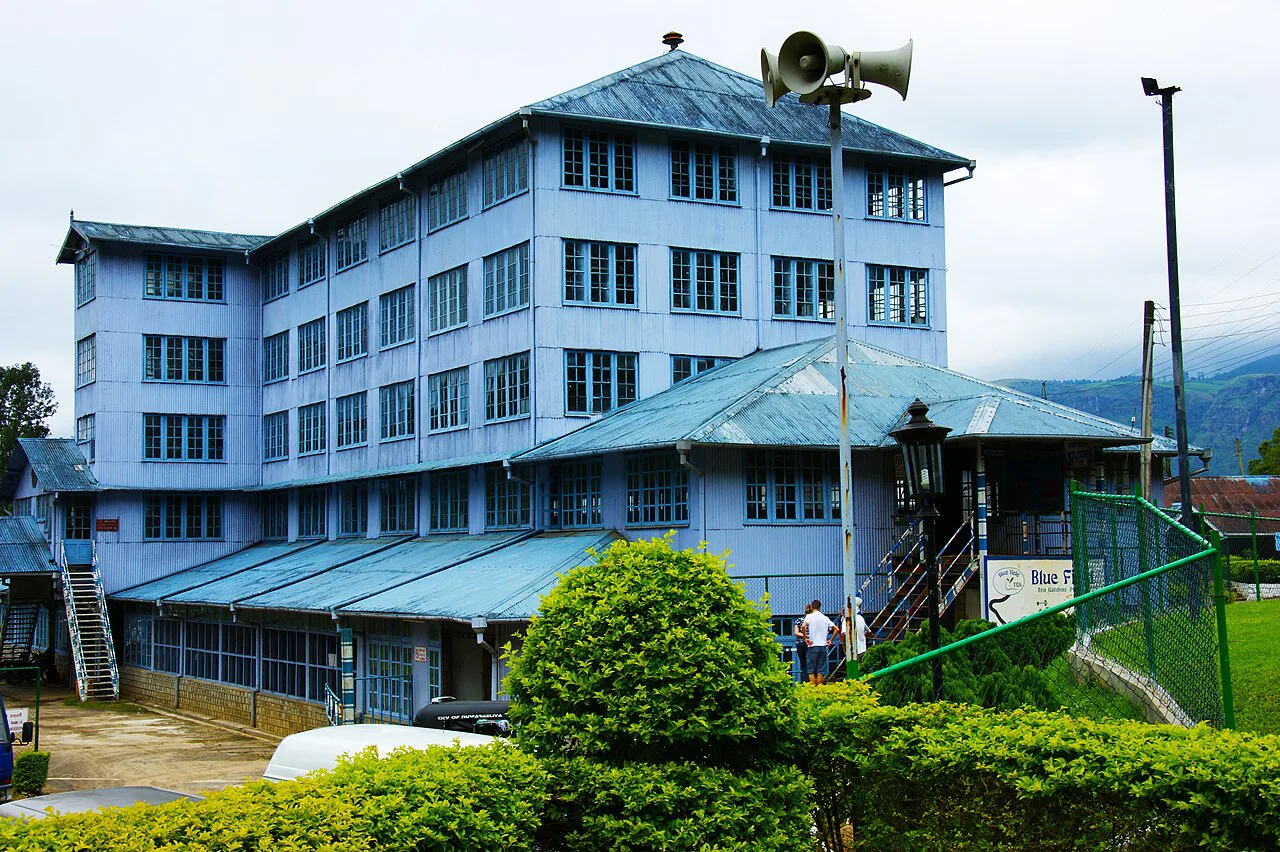
Bluefield Tea Gardens
After Sri Lanka’s tea estates passed from British to local ownership, Bluefield was one of the estates that struggled and nearly failed, before new owners bought the deteriorating property cheaply and rebuilt it into one of the region’s most popular tea tourism stops.
Not every Sri Lankan tea estate handed over from British to local ownership after independence thrived. Bluefield was one that initially struggled, its productivity declining under new management that lacked the business connections and expertise of the departing colonial planters, before a change of ownership turned its fortunes around entirely.
Quick Facts
| Location | Gampola-Nuwara Eliya Road, Ramboda |
| Factory building | Dates to 1921 |
| Ownership history | Declined after the post-independence handover from British estates, later revived by new owners |
| Nearby natural feature | A trail behind the factory leads to Ramboda Waterfall |
| Tours | Free, covering factory processes, tea gardens, and a tasting session |
| Dining | On-site restaurant offering buffet meals |
Commonly searched as: Bluefield Tea Gardens · Bluefield Tea Factory Ramboda · Ramboda tea tour · Ceylon tea estate history · things to do near Nuwara Eliya
From Neglected Estate to Popular Tea Destination
When British planters departed Sri Lanka’s tea estates following independence, ownership of many properties passed into local hands, with mixed results. Some of the most productive estates thrived under capable new management, but others, lacking the accumulated expertise, contacts and capital of their previous owners, gradually declined. Bluefield was among the latter group, an estate that struggled to succeed after the handover and fell into disrepair, until new owners recognised the opportunity and purchased the deteriorating property at a low cost, investing in bringing it back to productive life.
That revival has clearly worked. Bluefield’s factory building, dating to 1921, remains standing and functional today, and the estate has grown into one of the most consistently well-reviewed tea tourism stops along the Ramboda stretch of the Gampola-Nuwara Eliya road, drawing a steady stream of visitors travelling between Kandy and Nuwara Eliya.
What a Visit Involves
Bluefield offers free guided tours covering the full sweep of tea production, drying, pressing, rolling and processing, with guides on hand to explain the equipment and its function in detail. A dedicated tea-tasting chamber lets visitors sample different varieties and learn proper brewing technique before finishing with the opportunity to purchase fresh tea and souvenirs from the estate’s gift shop. Many visitors also stop for a meal at the on-site restaurant, which serves buffet-style lunches paired, naturally, with unlimited tea.
The Path to Ramboda Waterfall
One of Bluefield’s more rewarding features isn’t inside the factory at all: a path leading directly from behind the main building through the tea plantation and up toward the top of Ramboda Waterfall. The walk is manageable rather than strenuous, with multiple route options, and offers a genuinely scenic extension to a standard factory visit for those with a bit of extra time.
Visiting Tips
- Visit any time during the day; tours run continuously rather than on a fixed schedule, though it’s worth calling ahead to confirm buffet timing if dining on-site.
- Combine the factory tour with the walking path to Ramboda Waterfall for a fuller stop.
- The estate sits directly on the main road between Kandy and Nuwara Eliya, making it an easy, unplanned stop for travellers passing through.
- Free parking is available on-site, a convenience not every tea estate along this route offers.
A Story of Ownership, Not Just Tea
Bluefield’s history is worth appreciating for what it reveals about Sri Lanka’s broader tea industry beyond the polished factory tour narrative most estates present. Not every plantation successfully made the transition from colonial-era management to local ownership, and Bluefield’s own near-failure and eventual turnaround reflects a genuinely common pattern across the Hill Country’s post-independence economic history. Estates that had operated under a specific colonial business model, with established export relationships, financing arrangements and technical expertise built up over generations, didn’t always transfer smoothly into local hands overnight. Bluefield’s recovery, buying a struggling property cheaply and rebuilding it into a genuinely successful, visitor-friendly operation, offers a small but instructive case study in how some of Sri Lanka’s tea estates found their way from colonial-era decline toward locally driven success in the decades since.
Where It Sits on the Map
Bluefield Tea Gardens, Gampola-Nuwara Eliya Road, Ramboda Open in Google Maps ↗
Frequently Asked Questions
What happened to Bluefield after Sri Lankan independence?
Like several estates handed from British to local ownership, it initially declined due to a lack of business expertise and connections, before new owners purchased and revived the deteriorating property.
How old is the Bluefield factory building?
It dates to 1921, and continues to operate today.
Is there a fee for the factory tour?
No, tours are free, including a tea tasting session; visitors can purchase tea and souvenirs afterward.
What else can visitors do at Bluefield besides the factory tour?
Walk a scenic path from behind the factory up to Ramboda Waterfall, or enjoy a buffet meal at the on-site restaurant.
← Sri Lanka: The Complete Guide — see all 258 places by region
Related News
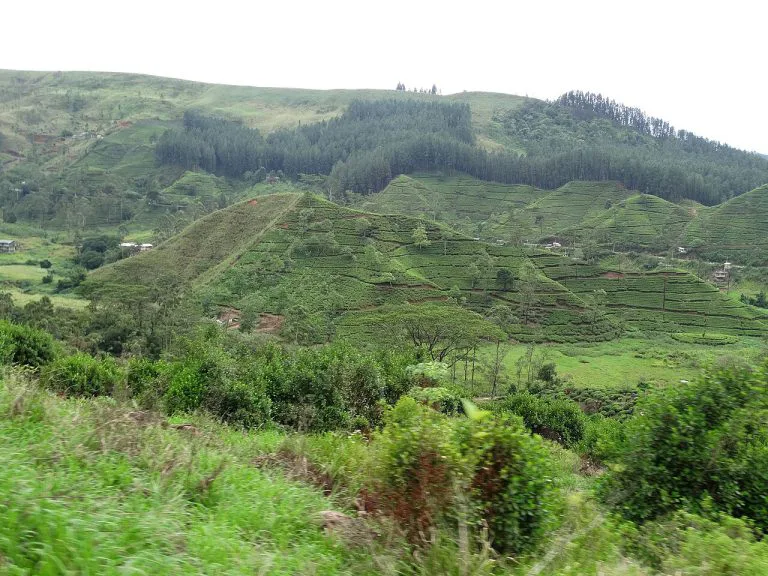
A guide to Sri Lanka's Hill Country: Kandy, tea plantations, Ella, Adam's Peak, Horton Plains, and travel tips.
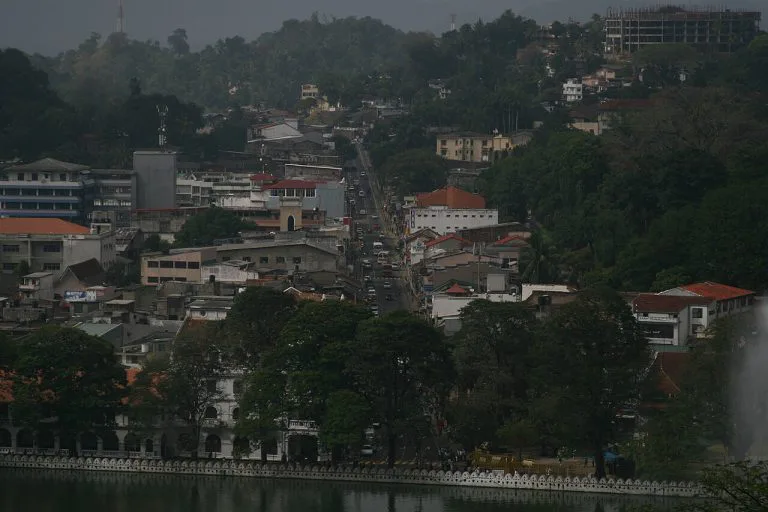
A complete guide to Kandy: the last Sinhalese kingdom's fall in 1815, the Temple of the Tooth, Kandy Lake, and visiting tips.
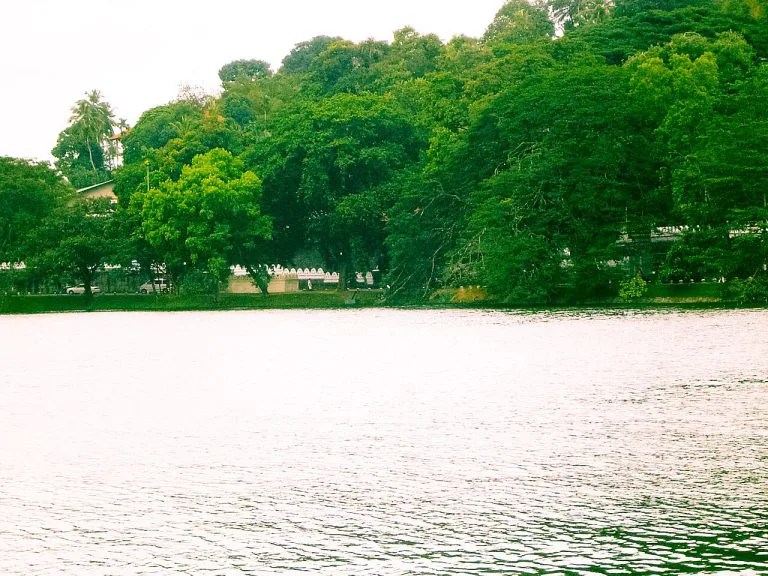
A guide to Kandy Lake, built by the last king of Kandy in 1807: its dark construction history, the island retreat, walking the shore, and...













