

Dsigngo is a Graphic Design and Digital Marketing Company.
Write what you are looking for and press enter to begin your search!

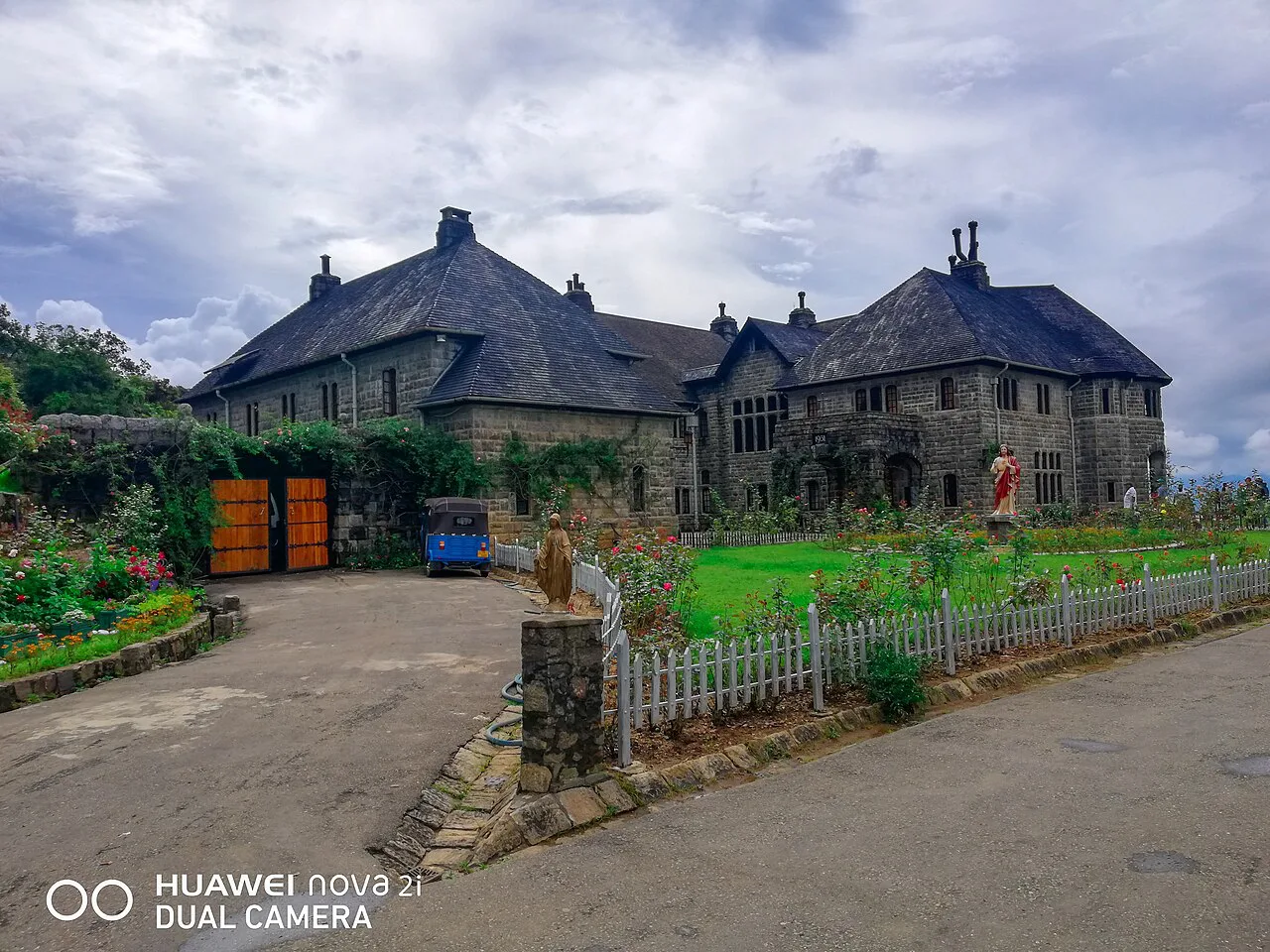
Near Haputale, Hill Country
Adisham Monastery
Built in 1931 by the grandson of a two-time British Prime Minister, modelled on Kent’s Leeds Castle, this Tudor-style mansion became, three decades later, a refuge for Benedictine monks fleeing persecution in wartime Belgium.
Sir Thomas Lister Villiers had an impressive pedigree, grandson of Lord John Russell, twice British Prime Minister, yet he chose to build his dream home not in England but on a remote, forested hillside in Sri Lanka’s central highlands, naming it after the Kentish village of his birth.
Quick Facts
| Location | About 3 to 4 km from Haputale, Badulla District |
| Built | 1927 to 1931 |
| Built by | Sir Thomas Lister Villiers, former Chairman of George Steuart & Co. |
| Architects | R. Booth and F. Webster, Tudor and Jacobean style |
| Inspiration | Leeds Castle, Kent, England |
| Became a monastery | 1961, purchased by the Roman Catholic Church |
Commonly searched as: Adisham Monastery · Adisham Bungalow Haputale · St Benedict’s Monastery Sri Lanka · Haputale colonial mansion · things to do near Haputale
An Englishman’s Dream Home in the Hills
Sir Thomas Lister Villiers was born in 1869 at Adisham Rectory in Kent, England, grandson of Lord John Russell, who served twice as British Prime Minister. Rather than pursue a conventional political or commercial career at home, Villiers came to Ceylon as a young man, starting out as a trainee tea planter before eventually rising to become Chairman of George Steuart & Co, a prominent Colombo trading and estate agency, a position he held from 1928 until his retirement in 1948.
While serving as chairman, Villiers set about building his ideal country residence, selecting a site at Haputale surrounded by forest known as Tangamalai, “Golden Hills,” at an elevation of roughly 5,000 feet. The remote, elevated location required cutting a new road through the forest just to access the site, but it rewarded Villiers with sweeping views across hills, valleys, and some of Ceylon’s highest mountain ranges. Construction ran from 1927 to 1931, with architects R. Booth and F. Webster designing the house in Tudor and Jacobean style, reportedly modelled on Leeds Castle in Kent, and Villiers named the finished estate Adisham, after the village of his birth.
From English Manor to Wartime Refuge
Villiers retired from George Steuart in 1948 or 1949, and the estate was subsequently sold to Sedawatte Mills before the Roman Catholic Church purchased Adisham and its surrounding land in 1961. The property was converted into a Benedictine monastery, and monks of the Sylvestrine Congregation, who had fled persecution in Belgium during the Second World War, found refuge there, giving the building an entirely new chapter of purpose considerably removed from its origins as a wealthy planter’s private retreat.
What Remains of the Villiers Era
The house retains much of its original period character, including a library filled floor to ceiling with old volumes that Villiers cherished, and a living room decorated with oil paintings and watercolours by his wife, a skilled painter with a particular fondness for sea life as a subject. Visitor access is limited to select rooms, mainly the library and living room, alongside the gardens, since much of the building continues to serve its active monastic function.
Villiers’ two children both predeceased their parents, and his only grandchild, Stephen, who grew up in England, later travelled back to Sri Lanka to research the family’s history at Adisham for a BBC documentary, a small but telling sign of how the estate’s story has continued to resonate with the Villiers family long after Sir Thomas himself retired to Kent and died there on 21 December 1959.
Visiting Tips
- The monastery is generally open to sightseers only on weekends, public holidays and school holidays; plan your visit accordingly.
- Purchase the estate’s homemade jams and cordials, produced on-site from the surrounding fruit garden.
- Explore the walking trails around the property leading through tea estates and eucalyptus forest.
- Approach the site respectfully, remembering it remains an active religious community rather than purely a heritage attraction.
Where It Sits on the Map
Adisham Monastery (Adisham Bungalow), near Haputale Open in Google Maps ↗
Frequently Asked Questions
Who built Adisham Bungalow?
Sir Thomas Lister Villiers, grandson of two-time British Prime Minister Lord John Russell, built it between 1927 and 1931 as his country residence.
Why is it called Adisham?
Villiers named it after Adisham, the Kentish village in England where he was born in 1869.
When did it become a monastery?
The Roman Catholic Church purchased the property in 1961, converting it into a Benedictine monastery that gave refuge to Sylvestrine monks who had fled wartime persecution in Belgium.
Can visitors tour the whole building?
No, access is limited to select rooms, mainly the library and living room, along with the gardens, since much of the building remains an active monastery.
← Sri Lanka: The Complete Guide — see all 258 places by region
Related News
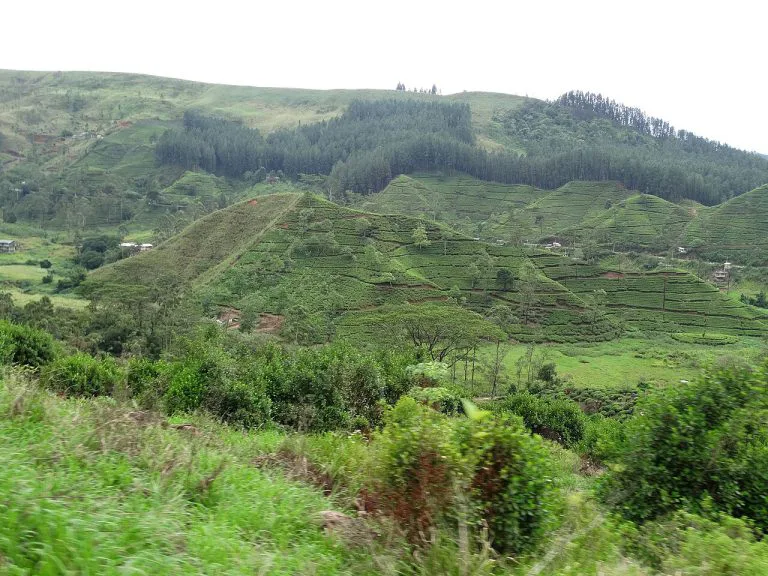
A guide to Sri Lanka's Hill Country: Kandy, tea plantations, Ella, Adam's Peak, Horton Plains, and travel tips.
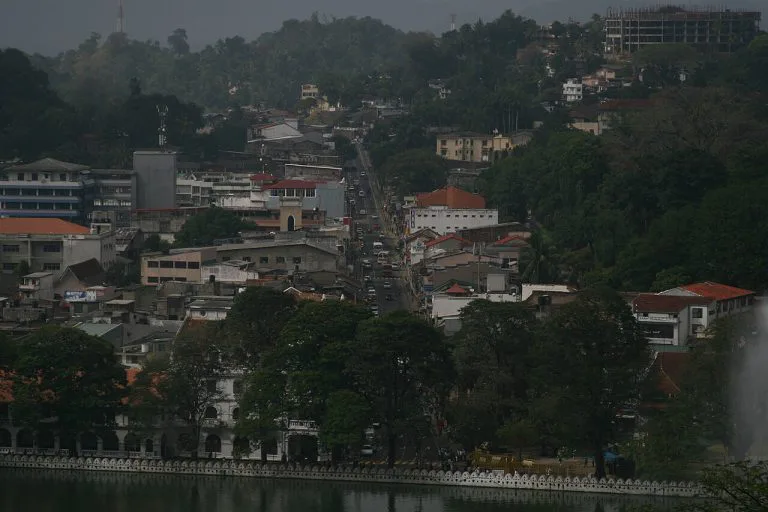
A complete guide to Kandy: the last Sinhalese kingdom's fall in 1815, the Temple of the Tooth, Kandy Lake, and visiting tips.
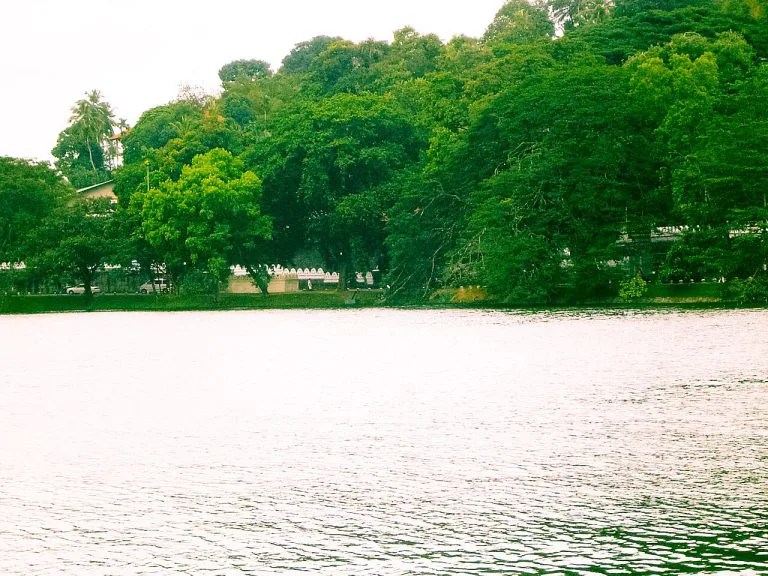
A guide to Kandy Lake, built by the last king of Kandy in 1807: its dark construction history, the island retreat, walking the shore, and...













