

Dsigngo is a Graphic Design and Digital Marketing Company.
Write what you are looking for and press enter to begin your search!

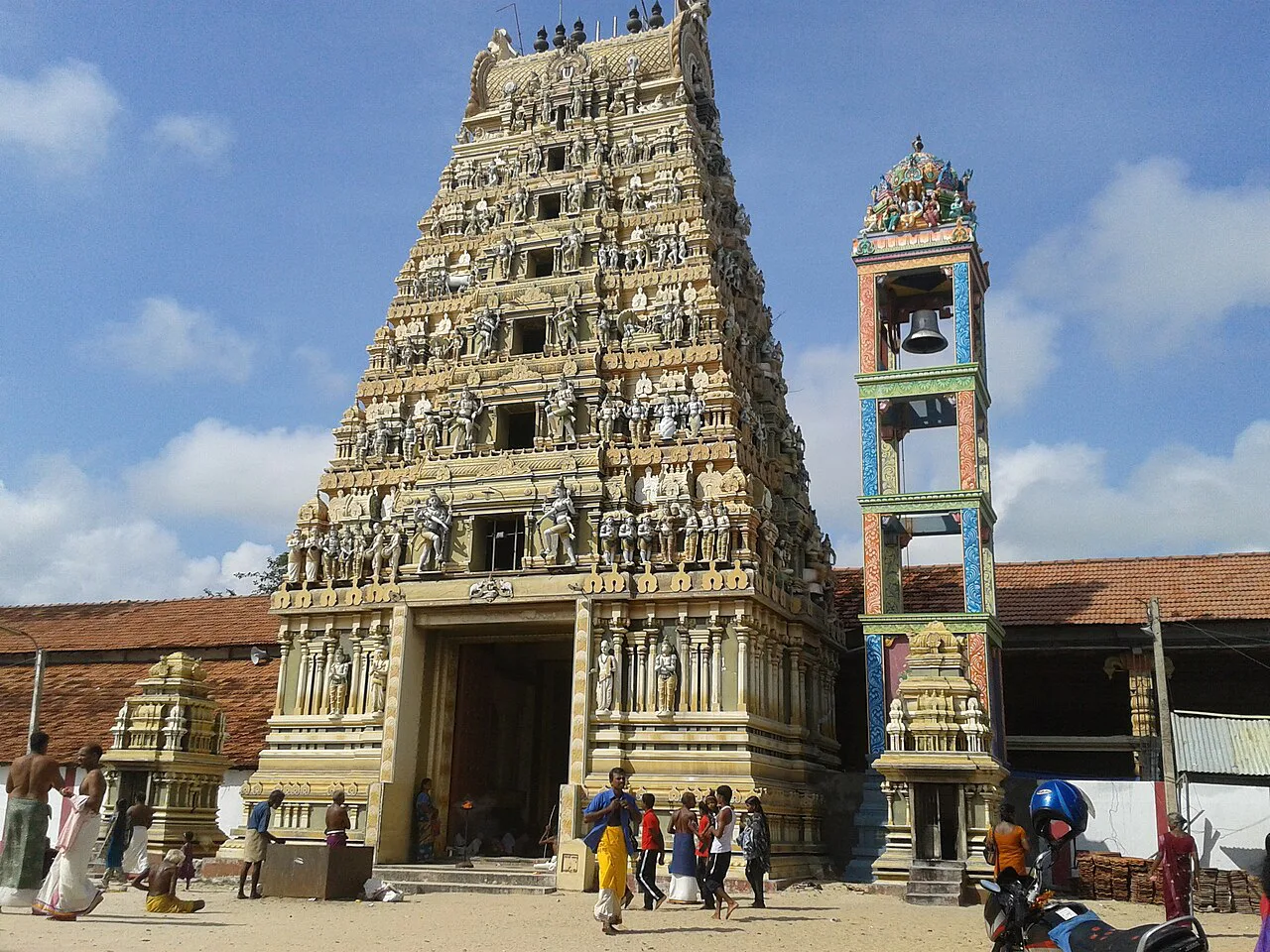
Thunnalai, Jaffna Peninsula
Thunnalai Sri Vallipura Aalvar Kovil
Built on ground that has already yielded a 2,000-year-old gold inscription and an ancient Buddha statue now sitting in Thailand, this temple’s own founding legends reach back to the ten avatars of Vishnu himself.
The Vallipura Aalvar Kovil in Thunnalai stands on ground with a genuinely rare double distinction: one of the oldest Hindu temples anywhere on the Jaffna Peninsula, built directly above an archaeological site that yielded both a 2,000-year-old gold inscription and a significant ancient Buddha statue.
Quick Facts
| Location | Thunnalai, Vadamarachchi Division, near Point Pedro |
| Also known as | Vallipuram Alvar Vishnu Kovil |
| Dedicated to | Lord Vishnu |
| Significance | Considered one of the oldest Hindu temples in Jaffna |
| Archaeological connection | Site of the 1936 Vallipuram Gold Plate discovery |
| Legendary theme | Stories connected to the ten avatars (Dashavatara) of Vishnu |
Commonly searched as: Thunnalai Vallipura Aalvar Kovil · Vallipuram Vishnu Kovil · Jaffna oldest Hindu temple · Vishnu temple Jaffna · things to do near Point Pedro
A Temple Wrapped in Vishnu’s Own Legends
The Vallipura Aalvar Kovil’s own founding history has been lost to time, with no surviving records confirming exactly when the original temple complex was built or precisely when the site was transformed into a dedicated Vishnu Kovil. What has survived instead is a rich body of legendary material connecting the temple to the ten avatars, or Dashavatara, of Lord Vishnu, stories depicting the god’s divine power and intervention across his various incarnations, forming the devotional backbone of the temple’s identity even without a firmly documented founding date.
That absence of hard historical records hasn’t diminished the temple’s standing; if anything, its deep, undated antiquity, combined with the extraordinary archaeological finds later recovered from its immediate grounds, has only reinforced its reputation as one of the genuinely oldest continuously significant religious sites on the entire peninsula.
Standing on Ground With Its Own Buried History
The temple’s modern fame is inseparable from what was found beneath and beside it: the Vallipuram Gold Plate, unearthed in 1936 from the foundation of an ancient structure adjacent to the kovil, and a significant Amaravati-style Buddha statue, discovered in 1902 just 50 yards away, before eventually being gifted to the King of Siam in 1906. Additional finds at the site, funerary urns, ancient bricks, pottery and coins, further reinforce just how much layered history sits beneath this specific patch of ground, a temple actively worshipped today standing directly above evidence of settlement stretching back roughly two thousand years.
A Living Temple, Not Just a Ruin
Unlike many archaeological sites where ancient significance and modern religious use have drifted apart, Thunnalai’s Vallipura Aalvar Kovil remains a genuinely active place of daily worship, drawing devotees regularly and especially on Sundays. That continuity, active devotion layered directly atop genuinely ancient archaeological ground, gives the temple a character quite different from a purely historical monument, a living link between the region’s deep past and its present-day Tamil Hindu community.
That living continuity is genuinely rare among sites of comparable archaeological significance. Many ancient discoveries end up fenced off, museum-bound, or otherwise separated from any ongoing community use, but Vallipura Aalvar Kovil has managed to remain both a subject of serious historical study and a functioning centre of everyday religious devotion, a combination that gives visitors a fuller, more textured sense of how deeply intertwined faith and history remain across the Jaffna Peninsula.
Visiting Tips
- Visit on a Sunday for the temple at its most devotionally active.
- Combine with the wider Vallipuram archaeological site immediately surrounding the temple.
- Dress modestly and remove shoes before entering, as with any active Hindu temple.
- Ask locally about the temple’s Dashavatara-related legends for a fuller sense of its devotional storytelling tradition.
Where It Sits on the Map
Thunnalai Sri Vallipura Aalvar Kovil, Vadamarachchi, near Point Pedro Open in Google Maps ↗
Frequently Asked Questions
What is the Vallipura Aalvar Kovil dedicated to?
Lord Vishnu, with legends connecting the temple to his ten avatars (Dashavatara).
Why is the temple considered so historically significant?
It stands on ground that yielded both the ancient Vallipuram Gold Plate (1936) and a significant Buddha statue (1902), placing it among the oldest documented sites on the Jaffna Peninsula.
Is the exact founding date of the temple known?
No, records of its original construction have been lost to time, though its antiquity is considered genuinely significant.
Is the temple still active today?
Yes, it remains a functioning place of worship, drawing regular devotees, particularly on Sundays.
← Sri Lanka: The Complete Guide — see all 258 places by region
Related News
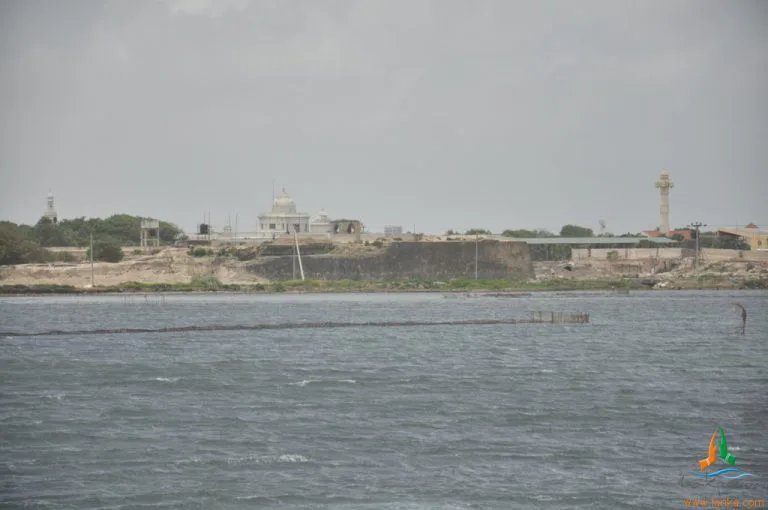
A guide to Jaffna and Sri Lanka's Northern Province: a four-century Tamil kingdom, colonial layers, post-war recovery, visiting tips and map.
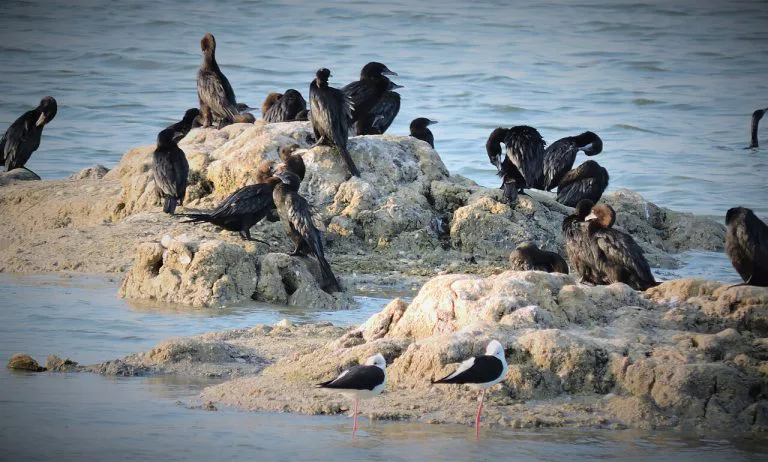
A guide to the Jaffna Peninsula: its temples, ancient sites, beaches and colonial heritage, spanning Jaffna city and its surrounding villages.
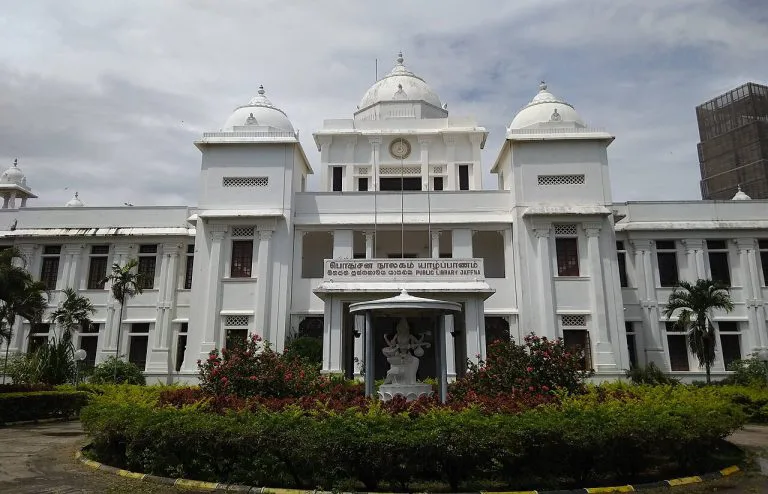
A guide to Jaffna city: capital of a 400-year Tamil kingdom, its library's destruction and rebirth, post-war recovery, visiting tips and map.













