

Dsigngo is a Graphic Design and Digital Marketing Company.
Write what you are looking for and press enter to begin your search!

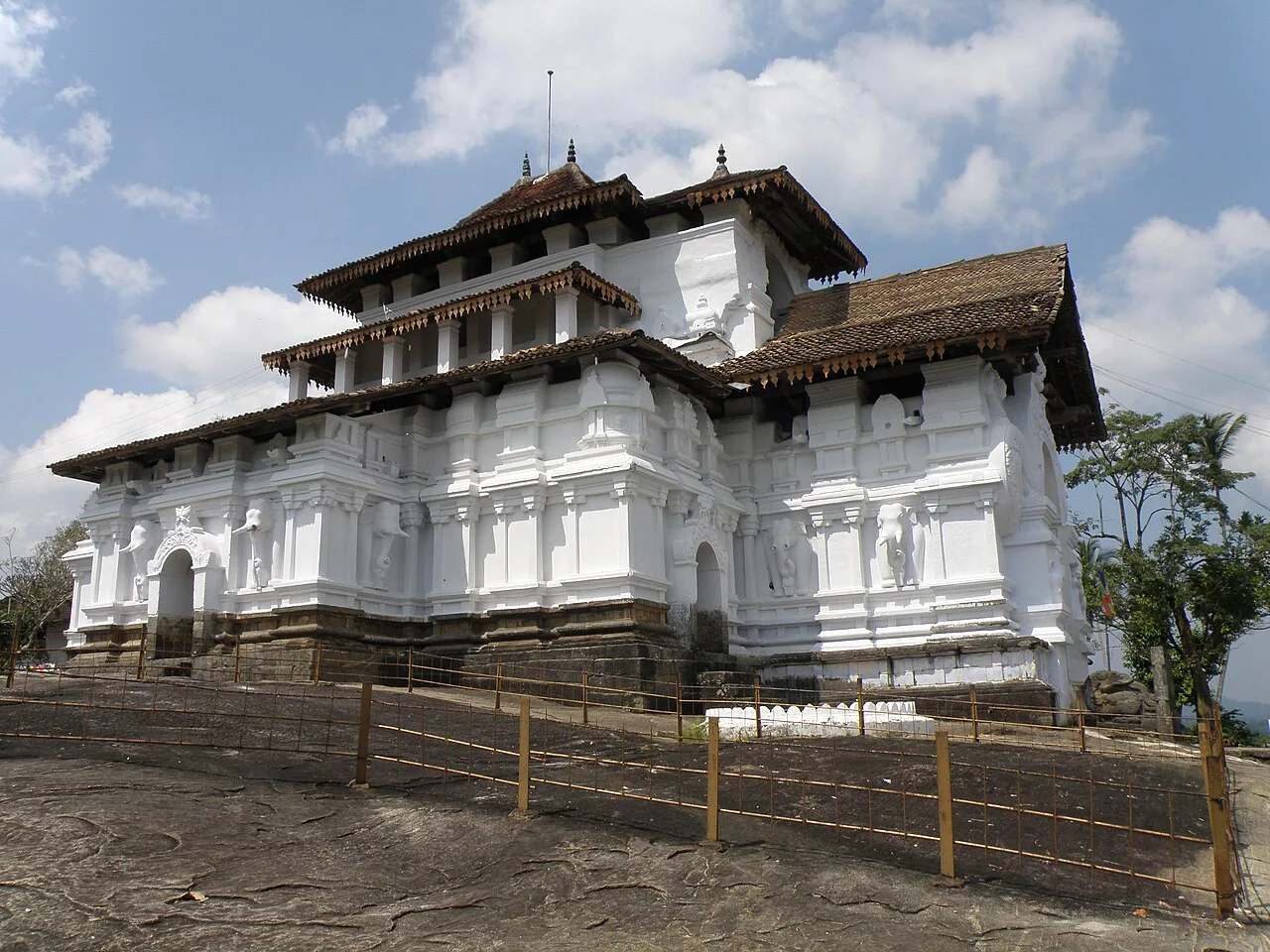
Near Kandy, Hill Country
Three-Temples Loop
A walking route through rice paddies and villages southwest of Kandy connecting three temples built within the same few decades of the 14th century, each showcasing a different fusion of South Indian and Sinhalese craftsmanship.
For a stretch of about 7 km through paddy fields and small villages southwest of Kandy, three temples built within roughly the same generation offer a genuinely rare chance to compare how differently 14th-century craftsmen working under the same royal patron approached stone, wood and worship.
Quick Facts
| Location | Southwest of Kandy, near Pilimathalawa, Udunuwara |
| Temples included | Gadaladeniya, Lankatilaka, and Embekke |
| Era | Gampola Kingdom, mid-to-late 14th century |
| Common patron | King Bhuvanekabahu IV (Lankatilaka and Gadaladeniya) |
| Walking distance | About 7 km total between all three temples |
| Typical visit length | Half a day from Kandy, by tuk-tuk, car, or on foot |
Commonly searched as: Three Temples Loop Kandy · Gampola temples · Gadaladeniya Lankatilaka Embekke · Kandy day trip · things to do near Kandy
Three Temples From One Brief Golden Age
All three temples along this route date to the 14th century, a period when Gampola, not Kandy, served as the capital of the Sinhalese kingdom under King Bhuvanekabahu IV. That short-lived Gampola era produced a genuinely distinctive religious architecture, one that scholars like Hans-Dieter Evers have described as the high point of a broader religious syncretism blending Theravada Buddhism, Mahayana influences, and Hindu elements, reflecting wider Southeast Asian patterns in which rulers used sacral architecture to reinforce their own divine legitimacy even as their practical political power was in decline.
Walking or driving between the three temples takes visitors through a genuinely rural stretch of the Central Highlands, past working rice paddies, small roadside tea stalls, and villages where locals go about daily life largely undisturbed by the modest tourist traffic passing through.
What Each Temple Offers
Gadaladeniya Temple
Built in 1344 under King Bhuvanekabahu IV, this stone temple shows the clearest South Indian Dravidian influence of the three, credited to architect Ganesvarachari, blending Hindu and Buddhist design elements in its pillared halls and gopuram-style entrance tower.
Lankatilaka Temple
Considered the most architecturally significant of the three, built at the crest of a rock outcrop called Panhalgala, reached via 172 original Gampola-era stone steps, with a towering multi-storey pinnacle and interior frescoes depicting Buddhist stories.
Embekke Devale
Renowned specifically for its wooden craftsmanship, particularly the carved pillars of its Drummers’ Hall, considered among the finest examples of Sinhalese wood carving anywhere, depicting peacocks, wrestlers, dragons, dancers and soldiers.
Visiting Tips
- Hire a tuk-tuk or car for the full loop if you’d rather not walk the full 7 km between temples.
- Visit Gadaladeniya first, then Lankatilaka, finishing at Embekke, the order most commonly recommended by local guides.
- Allow a full half-day from Kandy to properly appreciate all three sites without rushing.
- Wear comfortable shoes, especially for the stone stairway climb at Lankatilaka.
A Compact Lesson in Comparative Craftsmanship
What makes this loop genuinely worthwhile, beyond the individual merits of each temple, is the direct comparison it allows. Visiting all three in a single day lets you see, within the span of a few hours, how differently period craftsmen expressed the same underlying religious and political moment, one temple leaning into imported South Indian stone-carving traditions, another achieving height and grandeur through Sinhalese architectural ambition, and a third choosing wood as its primary canvas for a completely different kind of virtuosity. Few heritage routes anywhere in Sri Lanka offer that kind of compressed, comparative art history lesson within such a short and manageable distance.
Where It Sits on the Map
Three Temples Loop, near Pilimathalawa, southwest of Kandy Open in Google Maps ↗
Frequently Asked Questions
What connects the three temples on this loop?
All three, Gadaladeniya, Lankatilaka and Embekke, were built during the 14th-century Gampola era, largely under the patronage of King Bhuvanekabahu IV.
How far apart are the temples?
The full loop covers about 7 km, walkable but more commonly covered by tuk-tuk or car.
Which temple is most architecturally significant?
Lankatilaka is generally considered the most architecturally grand, though each temple has its own distinct highlight, stonework at Gadaladeniya and woodcarving at Embekke.
How long does the full loop take?
A half-day from Kandy is typical, allowing time to properly explore each of the three sites.
← Sri Lanka: The Complete Guide — see all 258 places by region
Related News
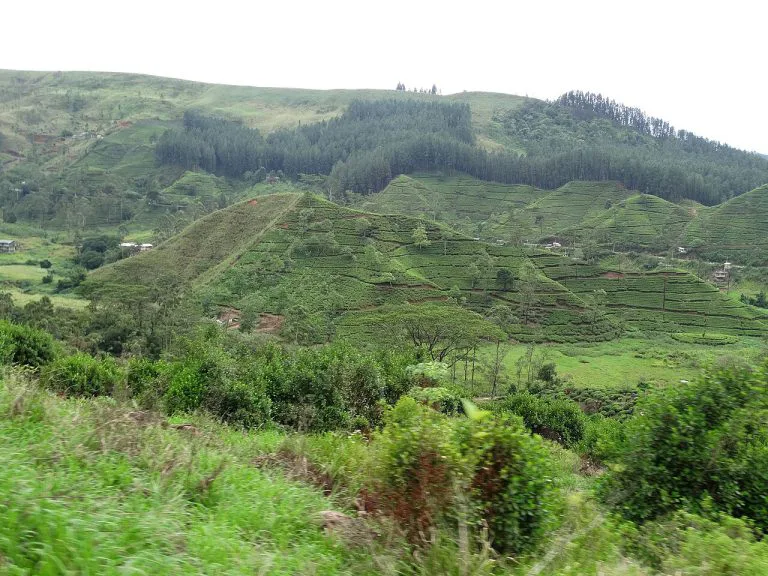
A guide to Sri Lanka's Hill Country: Kandy, tea plantations, Ella, Adam's Peak, Horton Plains, and travel tips.
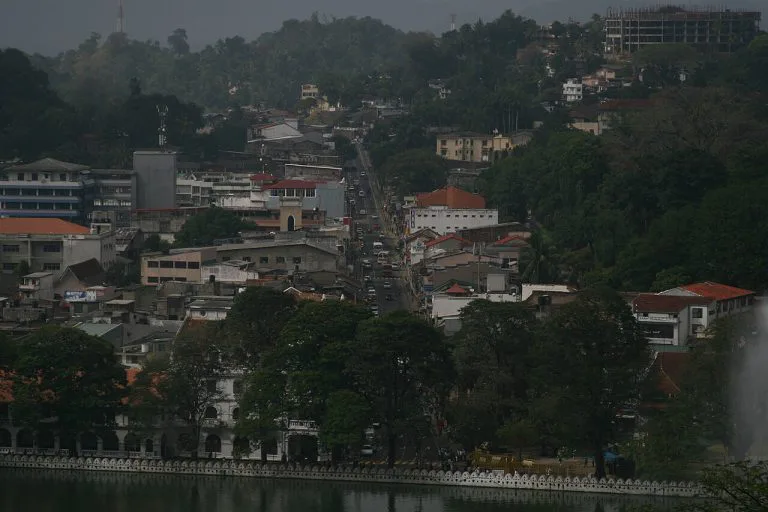
A complete guide to Kandy: the last Sinhalese kingdom's fall in 1815, the Temple of the Tooth, Kandy Lake, and visiting tips.
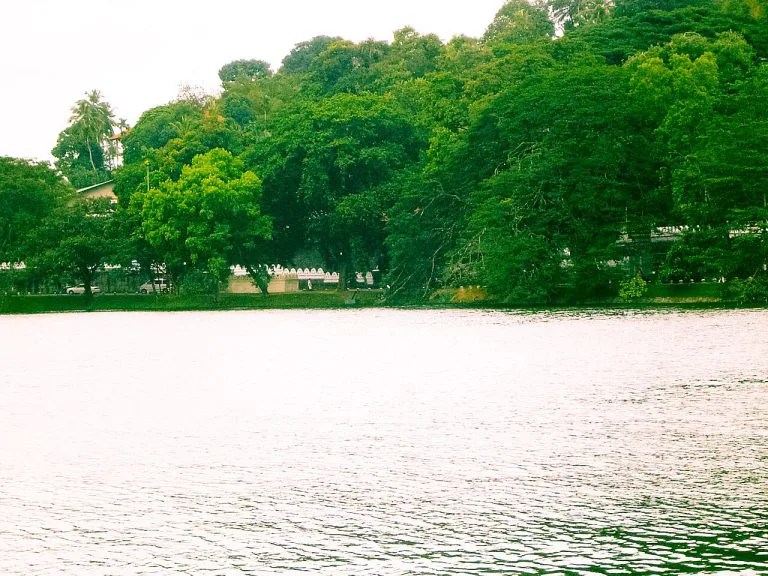
A guide to Kandy Lake, built by the last king of Kandy in 1807: its dark construction history, the island retreat, walking the shore, and...













