

Dsigngo is a Graphic Design and Digital Marketing Company.
Write what you are looking for and press enter to begin your search!

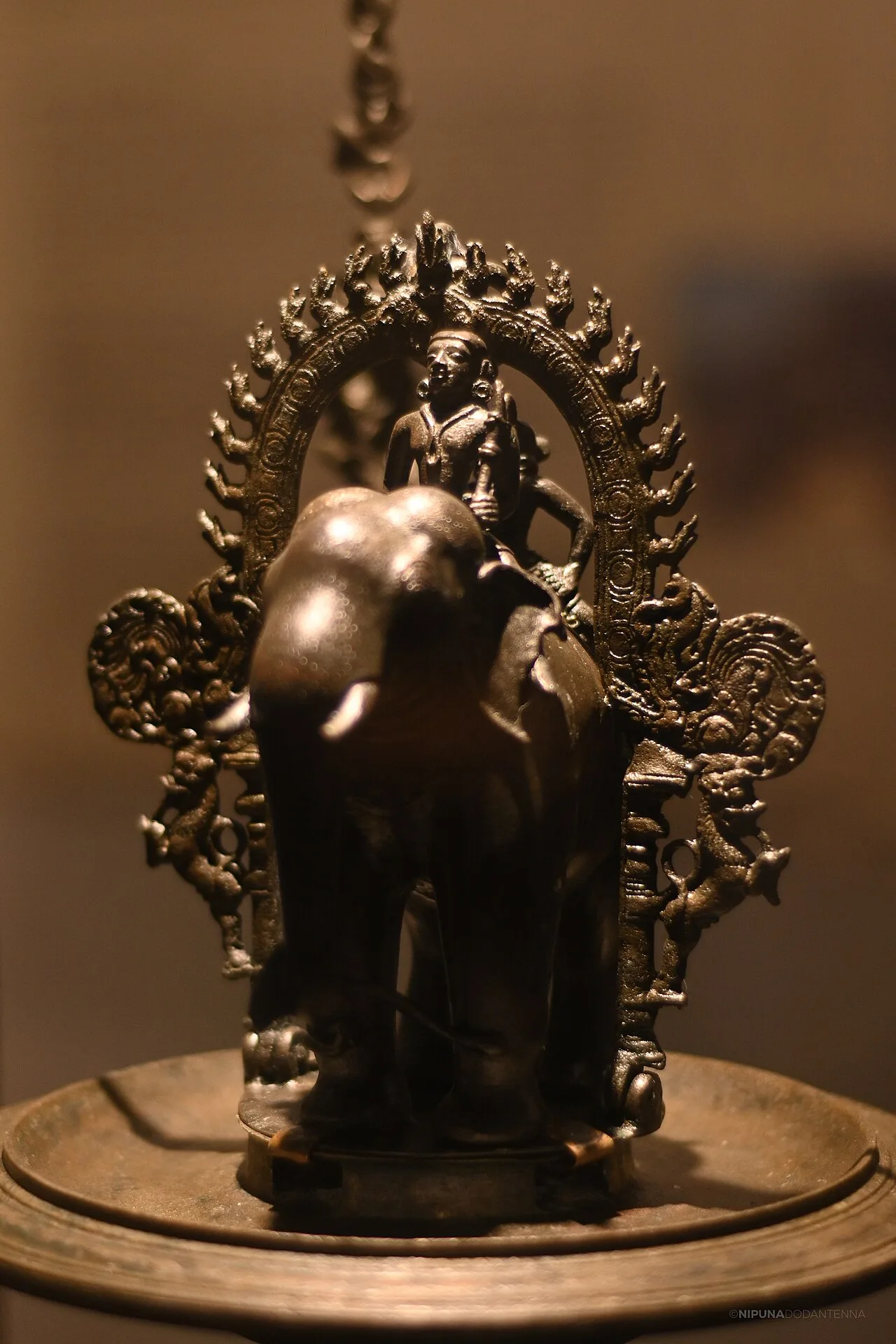
Polonnaruwa, Cultural Triangle
Polonnaruwa Museum
Holds several of King Nissanka Malla’s self-praising stone inscriptions, part of a trail of monuments across Polonnaruwa recording his own valour and wisdom, some historians suspect at Parakramabahu’s expense.
Before setting out to explore Polonnaruwa’s sprawling ruins, most visitors make a first stop at the museum, less for its exhibits alone than for the scale-model reconstructions that help make sense of what the largely roofless brick and stone remains would have actually looked like at full height.
Quick Facts
| Location | Near the lakeside visitor centre, Polonnaruwa |
| Run by | Sri Lanka’s Department of Archaeology |
| Key feature | Scale models reconstructing major monuments as they originally appeared |
| Notable exhibits | Several inscriptions attributed to King Nissanka Malla |
| Typical visit length | 30 to 45 minutes |
| Best used | As an introduction before touring the archaeological park itself |
Commonly searched as: Polonnaruwa Museum · Polonnaruwa Archaeological Museum · Nissanka Malla inscriptions · things to do in Polonnaruwa · Polonnaruwa visitor centre
A Useful Starting Point
Given how thoroughly ruined many of Polonnaruwa‘s monuments are today, roofless brick shells, statues missing heads and limbs, foundations hinting at buildings whose upper storeys vanished centuries ago, the museum’s scale-model reconstructions serve a genuinely practical function. Seeing a physical model of the Royal Palace at its imagined full seven-storey height, or the Vatadage with its original roof intact, gives visitors a far clearer mental picture to carry with them once they’re standing among the actual ruins, where imagination alone can only go so far in reconstructing what’s missing.
A King Who Never Missed a Chance to Boast
Among the museum’s more entertaining holdings are several stone inscriptions attributed to King Nissanka Malla, whose reign from 1187 to 1196 is remembered as much for his habit of erecting self-congratulatory monuments as for his genuine building achievements. Nissanka Malla left inscriptions scattered throughout Polonnaruwa, at the Gal Pota, the Hatadage and Vatadage in the Quadrangle, and at the Rankot and Kiri Viharas, recording his own valour, wisdom and religious merit in terms some historians describe as distinctly bombastic. A few additional examples of this trail of royal self-promotion are held here in the museum. Some historians have also raised the possibility that Nissanka Malla claimed credit in these inscriptions for building projects actually carried out under his predecessor, Parakramabahu I, a genuinely unresolved question of historical attribution that adds an extra layer of intrigue to reading the inscriptions on display.
A Small But Focused Collection
Beyond the models and inscriptions, the museum holds a modest collection of artefacts recovered from excavations across the wider Polonnaruwa site, offering additional context on daily life, religious practice, and craftsmanship during the city’s golden age under Parakramabahu I and his successors.
For visitors with limited time, the museum’s compact scale makes it an efficient stop rather than a lengthy detour, delivering genuinely useful orientation without eating significantly into the time available for the archaeological park’s much larger outdoor sites.
The museum building itself, purpose-built for its curatorial role rather than adapted from an ancient structure, offers welcome relief from the heat during a midday break in an otherwise largely outdoor, sun-exposed day of sightseeing, another practical reason many visitors choose to fold it into their itinerary rather than skip it in favour of more time among the ruins themselves.
Visiting Tips
- Visit first, before touring the wider archaeological park, to get useful context for the ruins you’re about to see.
- Allow 30 to 45 minutes, enough time to properly study the scale models and inscriptions without needing to rush.
- Pair your museum visit with a general entry ticket to the Polonnaruwa archaeological site, generally required separately.
- Combine with a stop at the nearby lakeside rest house for views over the Parakrama Samudra reservoir.
Where It Sits on the Map
Polonnaruwa Museum, near the lakeside visitor centre Open in Google Maps ↗
Frequently Asked Questions
Why is the Polonnaruwa Museum worth visiting first?
Its scale-model reconstructions of major monuments help visitors visualise what the largely ruined structures originally looked like, providing useful context before exploring the site itself.
What are the Nissanka Malla inscriptions on display?
Stone inscriptions attributed to King Nissanka Malla, recording his own achievements and religious merit; some historians suspect he may have claimed credit for work actually done under Parakramabahu I.
How long should I plan for a museum visit?
About 30 to 45 minutes, enough to see the models, inscriptions and artefact displays without rushing.
Where is the museum located within Polonnaruwa?
Near the lakeside visitor centre, a convenient starting point for the wider archaeological park.
← Sri Lanka: The Complete Guide — see all 258 places by region
Related News
A guide to Sri Lanka's Cultural Triangle: Sigiriya, Polonnaruwa, Anuradhapura, Dambulla and Mihintale, with travel tips.

A complete guide to Sigiriya Rock Fortress: King Kashyapa's parricide, the water gardens, the famous frescoes, visiting tips and map.
A guide to the ancient city of Polonnaruwa: from Chola conquest to Parakramabahu the Great's garden-city, visiting tips and map.













