

Dsigngo is a Graphic Design and Digital Marketing Company.
Write what you are looking for and press enter to begin your search!

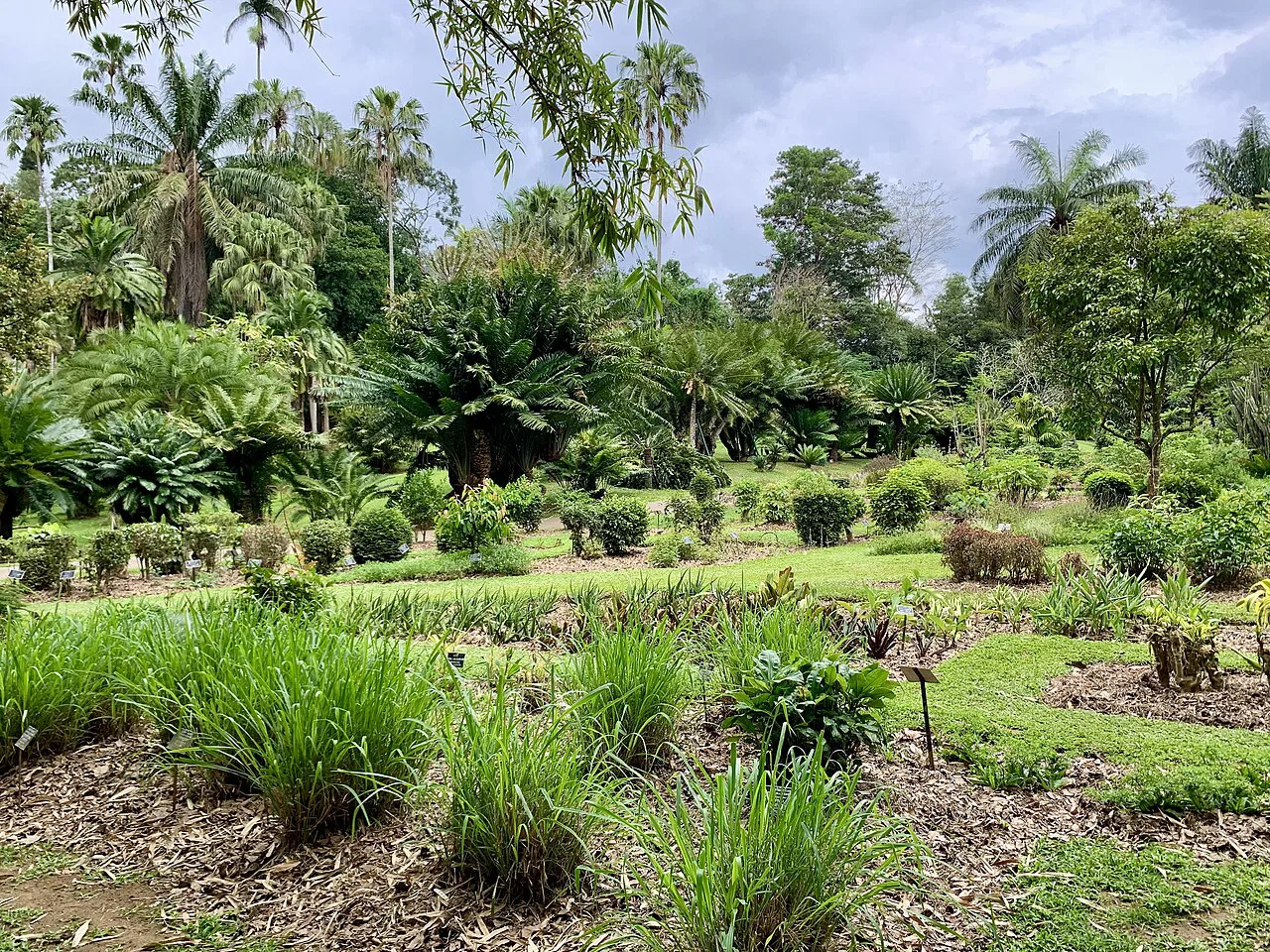
Near Kandy, Hill Country
Peradeniya Botanical Gardens
A royal pleasure garden dating to 1371 that became, in one of history’s odder turns, the Southeast Asian headquarters of Allied forces during the Second World War, before settling into its current role as Sri Lanka’s premier botanical showcase.
Long before Peradeniya became a place for tourists to stroll beneath towering palms, it was the court of Kandyan royalty, and centuries later, briefly, a nerve centre coordinating an entire theatre of the Second World War.
Quick Facts
| Location | About 5.5 km west of Kandy, on a bend of the Mahaweli River |
| Royal origins | 1371, court of King Wickramabahu III |
| Declared royal garden | 1747 to 1780, under King Kirti Sri Rajasinghe |
| Modern gardens established | 1821, by the British under Alexander Moon |
| WWII role | Southeast Asian headquarters of Allied Forces |
| Plant species | Over 4,000, including a renowned orchid collection |
Commonly searched as: Peradeniya Botanical Gardens · Royal Botanic Gardens Kandy · Peradeniya orchid house · Peradeniya history · things to do near Kandy
Seven Centuries From Royal Court to Public Garden
Peradeniya’s history as a significant site predates its identity as a botanical garden by more than four centuries. In 1371, King Wickramabahu III kept court here on the banks of the Mahaweli River, and the site later became a formally designated Royal Pleasure Garden under King Kirti Sri Rajasinghe, who reigned from 1747 to 1780, entertaining royal visitors in landscaped grounds befitting the Kandyan court. That royal garden reportedly remained in continuous use through the reign of King Rajadhi Rajasinghe, right up until the fall of the Kandyan Kingdom to the British in 1815.
The British moved quickly to repurpose the site once the kingdom fell. Botanist Alexander Moon began experimenting with commercially viable crops here, planting coffee and cinnamon, and the gardens were formally established in their modern form in 1821, just six years after the kingdom’s collapse, under the deputy governorship of General Sir Edward Barnes. Plants brought from London’s Kew Gardens, along with specimens from Slave Island and Kalutara, helped build out the collection through the following decades.
An Unlikely Wartime Headquarters
Peradeniya’s most surprising chapter came during the Second World War, when the gardens served as the Southeast Asian headquarters of Allied Forces, a genuinely unusual wartime role for a botanical institution, reflecting Kandy‘s broader significance as a British command centre in the region during that period, alongside the nearby Kandy War Cemetery, which still holds Commonwealth graves from the same era.
What’s in the Gardens Today
Spanning 147 acres within a natural loop of the Mahaweli River, Peradeniya holds over 4,000 plant species today. The Orchid House alone displays more than 300 varieties, from the delicate “Dancing Lady” orchid to the more dramatic “Queen of the Orchids,” alongside rare endemics and hybrids arranged by family and clearly labelled for botany enthusiasts. The Avenue of Palms, stretching over a kilometre and divided into sections lined with Cabbage Palms, Palmyrah Palms and Royal Palms respectively, forms one of the garden’s most photographed features, alongside a Javan fig tree whose aerial root canopy spans over an acre, and a Cannonball Tree planted by King George V and Queen Mary during their 1901 visit, its fruit resembling actual cannonballs hanging from the trunk.
Visiting Tips
- Hire a guide on arrival to help navigate the garden’s many distinct sections, spice garden, fernery, conservatory, orchid house, and more.
- Allow at least half a day for a proper visit, given the garden’s scale.
- Look for trees planted by notable historical visitors, a detail that adds an extra layer of interest beyond the botany itself.
- Combine with a visit to nearby Kandy, only about 5.5 km away, for a fuller day covering both the city and the gardens.
A Garden That Has Always Served Power
Looking across Peradeniya’s full seven-century history, a pattern emerges: this ground has consistently served whichever authority held power in the region, Kandyan kings entertaining royal guests, British colonial botanists testing commercially exploitable crops, Allied military commanders coordinating a wartime theatre, and now the Sri Lankan state showcasing the country’s botanical heritage to millions of annual visitors. That continuity of purpose, always significant, always tied to whoever governed the surrounding hills, gives Peradeniya a weight beyond its considerable natural beauty. Few gardens anywhere can claim to have hosted both a Kandyan royal court and an Allied wartime command post within the same physical footprint, centuries apart but on the very same bend of the Mahaweli River.
Where It Sits on the Map
Royal Botanic Gardens, Peradeniya, near Kandy Open in Google Maps ↗
Frequently Asked Questions
How old is Peradeniya’s history as a significant site?
It dates back to 1371, when it served as the royal court of King Wickramabahu III, well over four centuries before it became a botanical garden in 1821.
What role did the gardens play in World War II?
They served as the Southeast Asian headquarters of Allied Forces, reflecting Kandy’s status as a major British command centre during the war.
What is the garden’s most famous feature?
The Orchid House, with over 300 varieties, though the Avenue of Palms and the acre-spanning Javan fig tree are similarly celebrated highlights.
How far is Peradeniya from Kandy?
About 5.5 km, making it an easy half-day trip from the city.
← Sri Lanka: The Complete Guide — see all 258 places by region
Related News
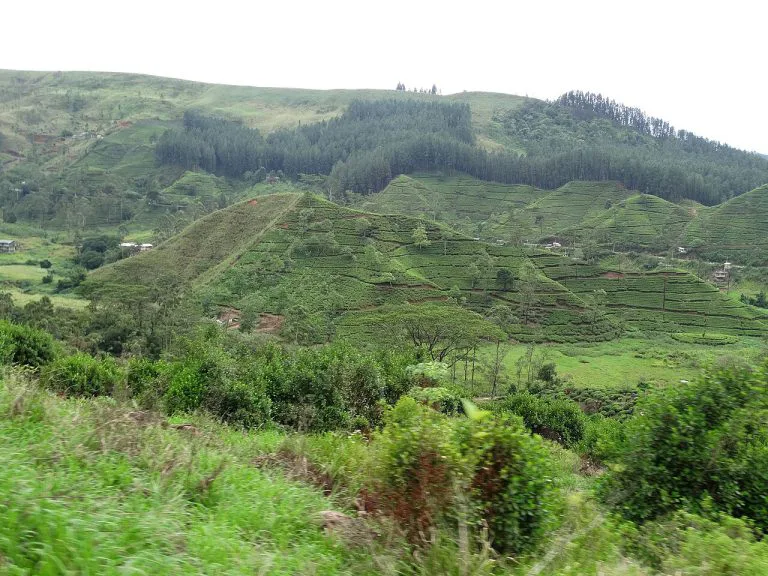
A guide to Sri Lanka's Hill Country: Kandy, tea plantations, Ella, Adam's Peak, Horton Plains, and travel tips.
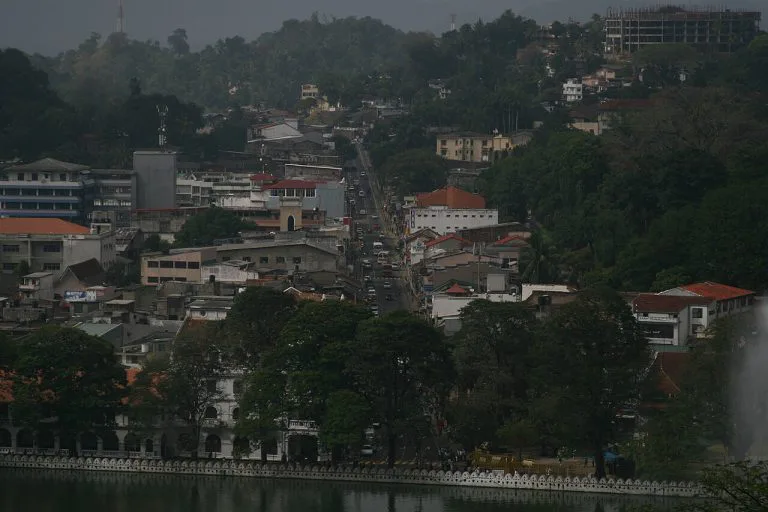
A complete guide to Kandy: the last Sinhalese kingdom's fall in 1815, the Temple of the Tooth, Kandy Lake, and visiting tips.
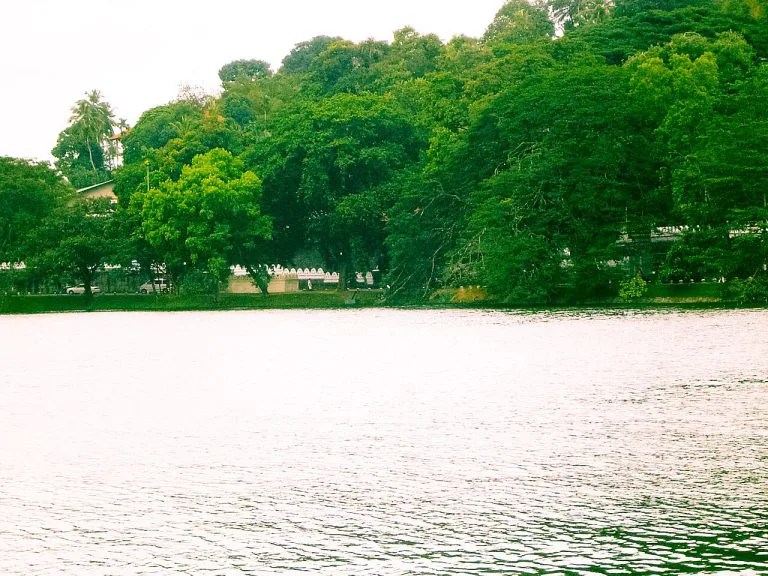
A guide to Kandy Lake, built by the last king of Kandy in 1807: its dark construction history, the island retreat, walking the shore, and...













