

Dsigngo is a Graphic Design and Digital Marketing Company.
Write what you are looking for and press enter to begin your search!

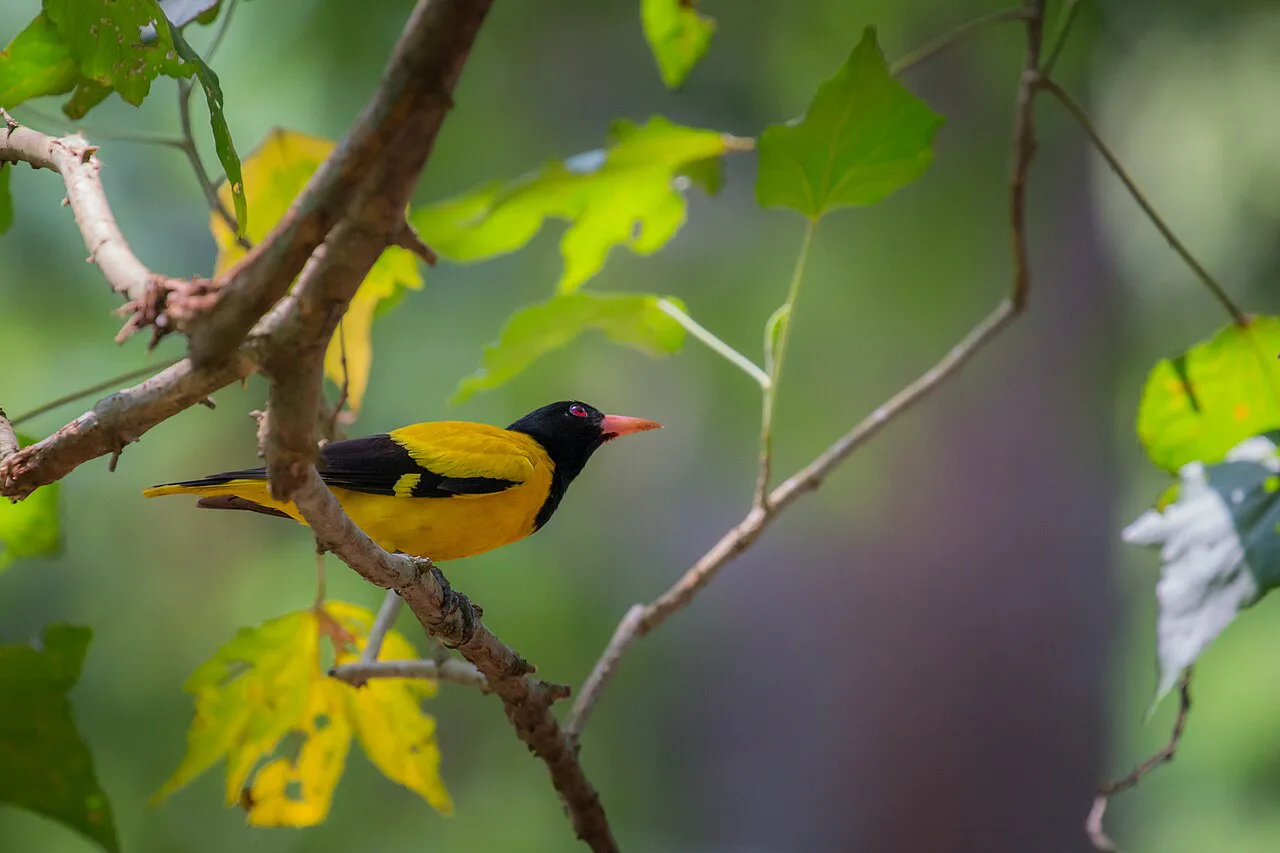
Near Negombo, West Coast
Muthurajawela Wetlands
Sri Lanka’s largest saline coastal peat bog, its name meaning ‘Field of Royal Treasure,’ now a boat-safari destination for mangroves, birds and monkeys just outside Negombo.
Between Negombo and Colombo, hidden behind an unassuming stretch of highway, sits one of Sri Lanka’s most ecologically important wetlands, a saline peat bog so large it counts among the country’s twelve priority conservation wetlands. Muthurajawela’s name, translating to ‘Field of Royal Treasure,’ hints at old legends, but its real treasure today is biodiversity.
Quick Facts
| Location | Gampaha District, between Negombo and Colombo, along the Hamilton Canal |
| Size | About 3,068 hectares, the country’s largest saline coastal peat bog |
| Sanctuary status | Northern section (1,777 ha) declared a sanctuary in July 1996 |
| Biodiversity | Over 190 flora species, over 190 bird species, 209 fauna species recorded |
| Signature access route | Boat safaris along the historic Hamilton Canal |
| Wildlife highlights | Water monitors, toque monkeys, kingfishers, herons, and the endangered slender loris |
Commonly searched as: Muthurajawela Wetlands · Negombo boat safari · Sri Lanka wetlands · Muthurajawela birdwatching · things to do near Negombo
A Field of Royal Treasure
The name Muthurajawela translates from Sinhala as “Field of Royal Treasure,” and while the exact origin of that name is debated, the most commonly cited connection ties it back to the era of King Weera Parakramabahu, when nearby Negombo functioned as the island’s leading trading port. Whatever treasure the name originally referred to, the marsh’s real value today is ecological rather than material: it’s recognised as one of Sri Lanka’s most important coastal wetland ecosystems and one of only twelve wetlands nationally identified as conservation priorities.
The wetland’s physical history is closely tied to the canal network that runs through it. The Dutch widened an existing waterway through the marsh to aid the cinnamon trade, and the British later added the Hamilton Canal, a 14.5 km waterway connecting the Kelani River mouth near Colombo to the Negombo Lagoon. Because the wetland sits two to three metres below sea level, with both ends of the canal system in intertidal zones, high tides push seawater inland, and the resulting salty, waterlogged conditions gradually made large sections of the area unsuitable for paddy cultivation, an unintended consequence of colonial-era engineering that ultimately helped preserve the marsh as wilderness rather than farmland.
Recognised for Its Biodiversity
The Sri Lankan government formally recognised Muthurajawela’s ecological importance in July 1996, declaring the northern section, covering 1,777 hectares, a sanctuary under the Fauna and Flora Protection Ordinance, administered by the Department of Wildlife Conservation. The wetland supports an extraordinary range of species for its size: over 190 species of flora, upward of 190 recorded bird species, and roughly 209 fauna species overall, including the endangered slender loris, a small nocturnal primate rarely spotted elsewhere.
Common bird sightings on a typical visit include kingfishers, purple herons, egrets, lesser whistling ducks and moorhens, while boat guides also regularly point out water monitors and toque monkeys along the mangrove-lined channels.
The Boat Safari Experience
Most visits begin at the Muthurajawela Marsh Centre, from which guided boats travel along the historic Dutch and Hamilton canal system into the wetland and toward the Negombo Lagoon. Trips typically run around two hours, staffed by guides trained to minimise disturbance to the fragile marsh ecosystem while pointing out wildlife along the way. Early morning or late afternoon trips generally offer the best conditions for birdwatching and cooler temperatures.
Visiting Tips
- Book a boat safari through the Muthurajawela Marsh Centre or a reputable local operator for a guided, low-impact wildlife experience.
- Bring binoculars if birdwatching is a priority, given the wetland’s exceptional recorded bird diversity.
- Combine with a visit to nearby Negombo or a wider Gampaha district day trip.
- Wear sun protection and insect repellent, as much of the trip takes place in open, humid marshland.
An Accidental Wilderness
There’s a certain irony in how Muthurajawela survived intact into the present day. Colonial engineers didn’t dig canals through the marsh with conservation in mind, they were trying to serve the cinnamon and rice economies of their time. But the salinity problems those canals inadvertently created ended up discouraging the kind of intensive agricultural development that has consumed so many other wetlands across South Asia, leaving Muthurajawela as one of the region’s larger surviving coastal marsh ecosystems almost by accident. That history is worth keeping in mind on a boat trip through the mangroves: the peaceful, biodiverse landscape visitors glide through today exists partly because 18th and 19th-century engineering plans didn’t quite work out as intended.
Where It Sits on the Map
Muthurajawela Wetlands, Gampaha District, near Negombo Open in Google Maps ↗
Frequently Asked Questions
What does Muthurajawela mean?
It translates from Sinhala as ‘Field of Royal Treasure,’ commonly linked to the era when nearby Negombo was a major trading port.
Why did the marsh become unsuitable for farming?
Dutch and British-era canal construction, combined with the area sitting below sea level, allowed seawater to intrude at high tide, gradually salinating the land and damaging paddy cultivation.
What wildlife can visitors expect to see?
Over 190 recorded bird species, water monitors, toque monkeys, and the endangered slender loris, among roughly 209 total fauna species.
How do most visitors explore the wetlands?
By guided boat safari departing from the Muthurajawela Marsh Centre, typically lasting around two hours along the historic canal system.
← Sri Lanka: The Complete Guide — see all 258 places by region
Related News
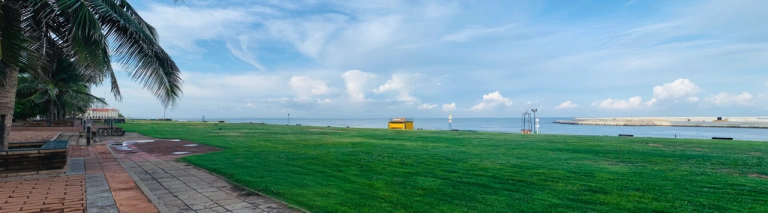
A guide to Sri Lanka's West Coast region, from Kalpitiya to Hikkaduwa: beaches, history, wildlife and travel tips.
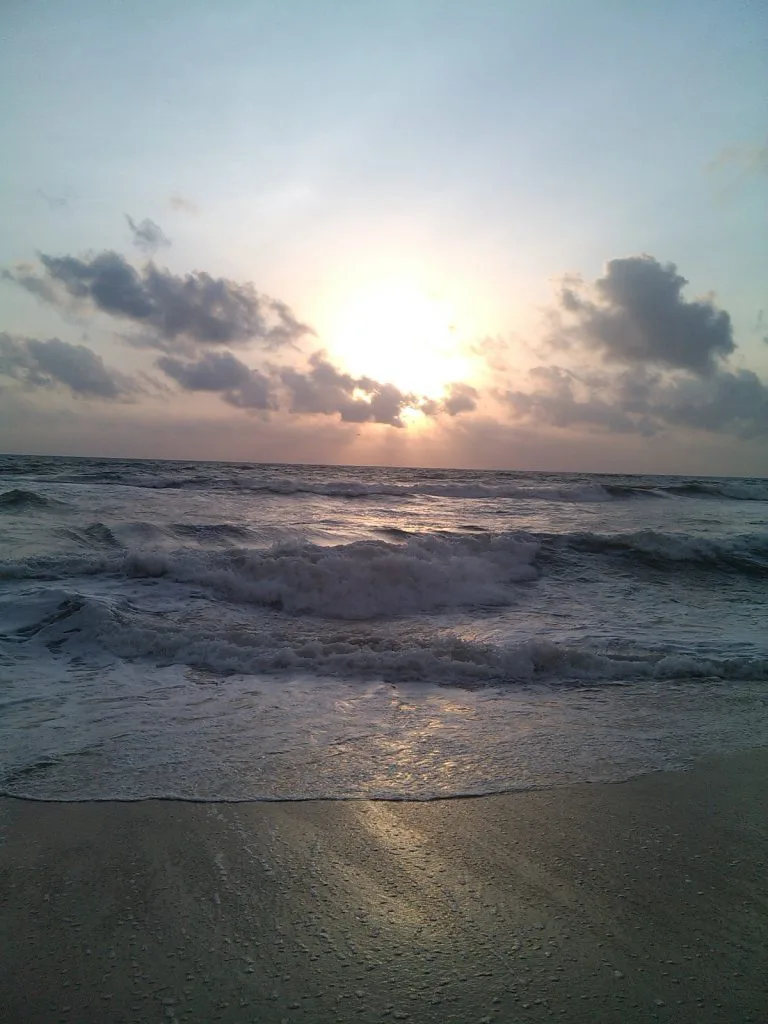
A complete guide to Negombo, Sri Lanka: history, the fish market, Dutch canal, churches, and visiting tips near the airport.

A guide to Sri Munneswaram Temple near Chilaw, Sri Lanka: history, the Ramayana legend, festivals, visiting tips and map.













