

Dsigngo is a Graphic Design and Digital Marketing Company.
Write what you are looking for and press enter to begin your search!

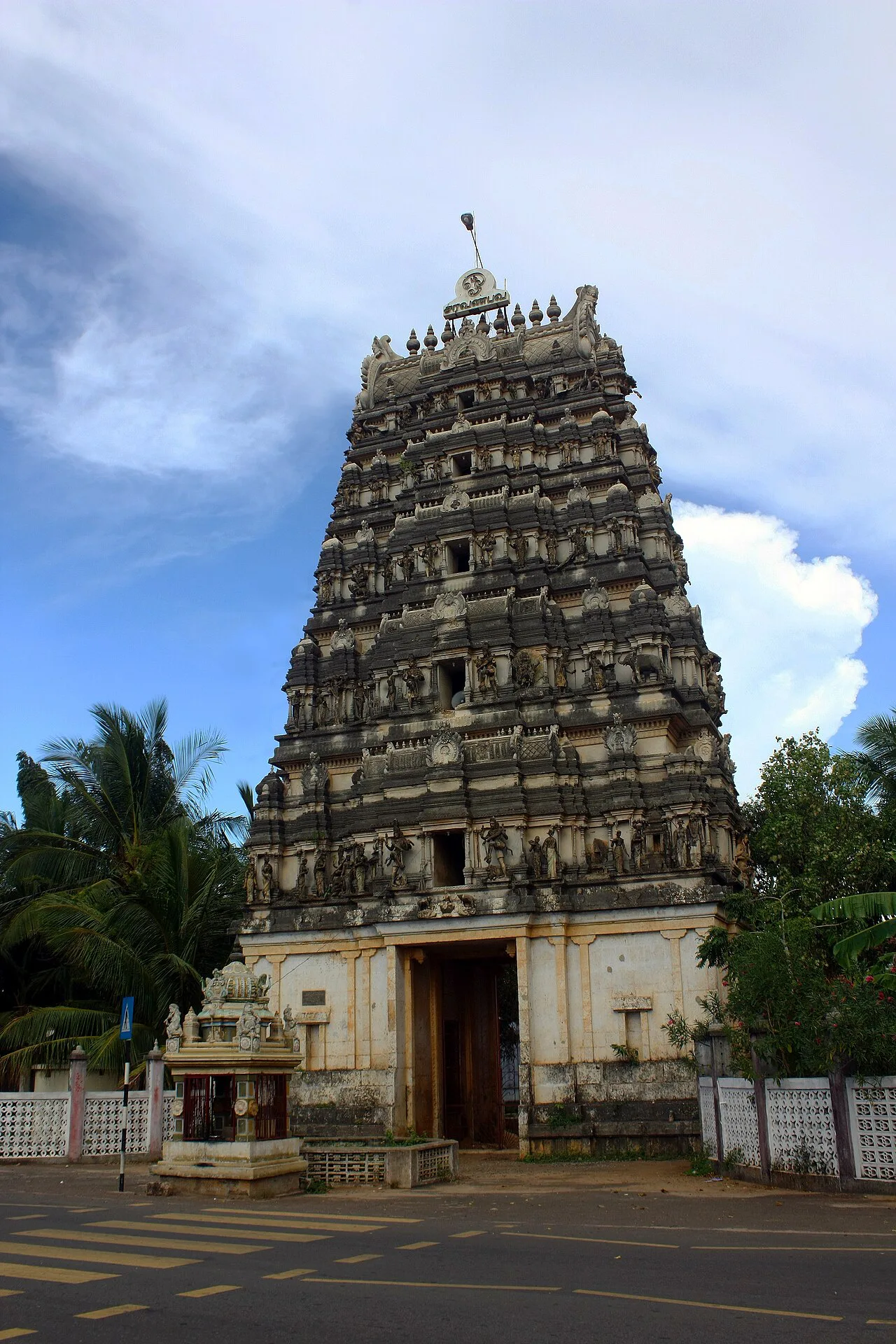
Near Jaffna, Jaffna Peninsula
Maviddapuram Kandaswamy Temple
Even the temple’s own name tells its founding story: ‘Ma’ for horse, ‘vidda’ for left behind, ‘puram’ for place, together meaning ‘the place where the horse-face was left behind.’
Maviddapuram Kandaswamy Temple owes its existence, and even its own name, to a single act of gratitude: a princess healed of a disfiguring illness at the nearby Keerimalai Springs, who commissioned this temple as thanks to the god she credited with her cure.
Quick Facts
| Location | About 3 km from Keerimalai Springs, near Jaffna |
| Dedicated to | Lord Murugan (Kandaswamy/Skanda) |
| Founded by | Princess Maruthapura Veeravalli, after being cured at Keerimalai |
| Traditional date | 785 CE (sources vary between 7th and 8th century) |
| Name meaning | ‘The place where the horse-face was left behind’ |
| Status today | Actively worshipped, flourishing again following post-war revival |
Commonly searched as: Maviddapuram Kandaswamy Temple · Maviddapuram Kovil · Keerimalai princess legend · Jaffna Hindu temples · things to do near Jaffna
A Temple Named for a Cure
According to tradition, Princess Maruthapura Veeravalli, a Pandyan or Chola royal daughter, suffered from a persistent digestive disorder combined with facial disfigurement that gave her features a horse-like appearance. Advised to seek healing at the freshwater springs of nearby Keerimalai, she bathed there and, according to the legend, emerged completely cured of both ailments. In gratitude, she commissioned this temple, its very name, Maviddapuram, breaking down into “Ma” (horse), “vidda” (left off or departed), and “puram” (place), a direct linguistic memorial to the miracle she credited for her recovery.
Sources place the temple’s founding at various points, most commonly 785 CE, though the underlying legend connects even further back, with the Yalpana Vaipava Maalai, a historical Tamil chronicle, crediting an early restoration of the wider Keerimalai temple complex to Prince Vijaya of Vanga as far back as the 6th century BCE, suggesting the sacred significance of this stretch of coastline considerably predates even Princess Veeravalli’s own story.
A Royal Marriage at the Springs
The princess’s story continues beyond her healing: having been cured, she is said to have married King Ukkira Singhan, a ruler connected to the Vijaya dynasty who had arrived from Kalinga in northern India, with the wedding itself taking place at the very springs that had healed her. That royal union ties Maviddapuram’s founding legend directly into the broader dynastic history of the Jaffna region, blending a personal healing story with genuine political and royal significance.
Flourishing Again After War
Like so many of the Jaffna Peninsula’s Hindu temples, Maviddapuram Kandaswamy Temple experienced periods of disruption during Sri Lanka’s civil conflict, but has since undergone a genuine revival, once again functioning as an active and flourishing centre of worship for the local Hindu community, its restoration mirroring the broader pattern of religious and cultural recovery visible across much of the peninsula’s temple network in the post-war years.
That recovery carries real weight beyond simple building restoration. For the Tamil Hindu community whose ancestors built and rebuilt these temples across so many centuries of disruption, each successful revival represents a continuation of an unbroken devotional tradition, regardless of how many times war, colonisation or natural disaster has interrupted the physical structures housing that devotion.
Visiting Tips
- Combine with Keerimalai Springs and Naguleswaram Kovil, both within easy reach and sharing the same founding legend.
- Dress modestly and remove shoes before entering the temple grounds.
- Visit during a festival period if possible, for the temple’s most vivid, actively devotional atmosphere.
- Take time to appreciate the temple’s Dravidian architectural style, characteristic of the region’s major Hindu shrines.
Where It Sits on the Map
Maviddapuram Kandaswamy Temple, near Keerimalai, Jaffna Peninsula Open in Google Maps ↗
Frequently Asked Questions
What does the name Maviddapuram mean?
‘The place where the horse-face was left behind,’ directly referencing the legend of a princess cured of a horse-like facial disfigurement at nearby Keerimalai Springs.
Who founded the temple?
Princess Maruthapura Veeravalli, traditionally dated to 785 CE, in gratitude after being healed at the Keerimalai Springs.
What happened after the princess’s healing?
According to legend, she married King Ukkira Singhan at the springs, tying the temple’s founding to the region’s dynastic history.
Is the temple still active today?
Yes, it has undergone a genuine revival following disruption during Sri Lanka’s civil war and now flourishes as an active centre of worship.
← Sri Lanka: The Complete Guide — see all 258 places by region
Related News
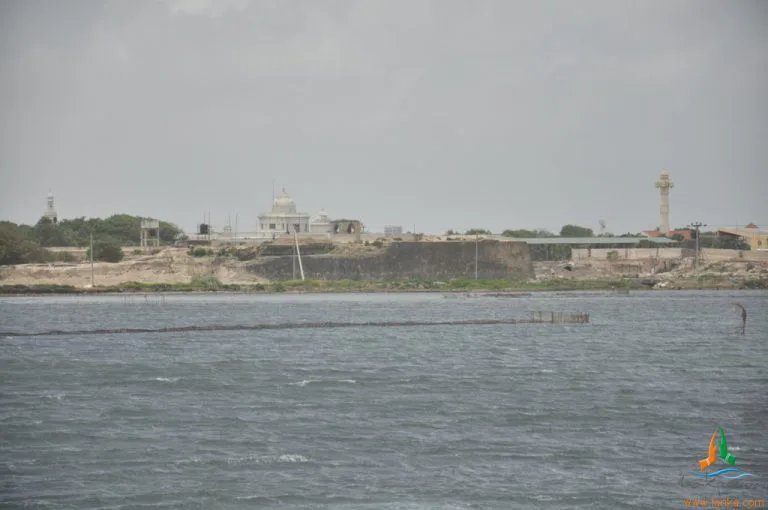
A guide to Jaffna and Sri Lanka's Northern Province: a four-century Tamil kingdom, colonial layers, post-war recovery, visiting tips and map.
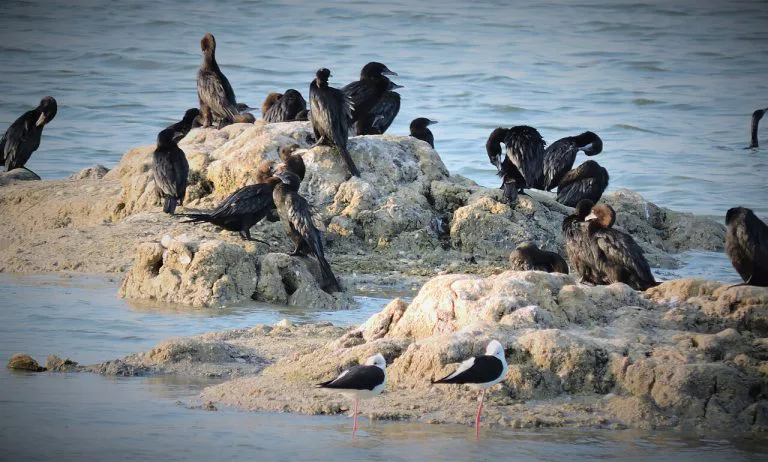
A guide to the Jaffna Peninsula: its temples, ancient sites, beaches and colonial heritage, spanning Jaffna city and its surrounding villages.
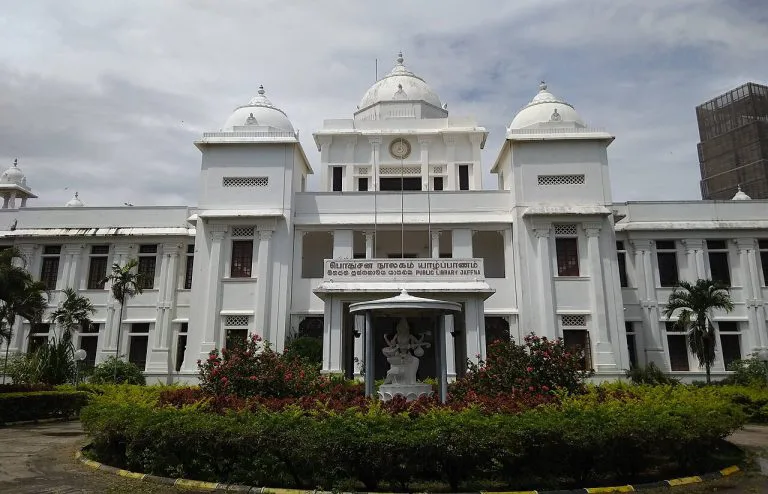
A guide to Jaffna city: capital of a 400-year Tamil kingdom, its library's destruction and rebirth, post-war recovery, visiting tips and map.













