

Dsigngo is a Graphic Design and Digital Marketing Company.
Write what you are looking for and press enter to begin your search!

Near Point Pedro, Jaffna Peninsula
Manalkadu Desert
Built around 1900, St Anthony’s Church has spent well over a century being gradually buried by wind-driven sand, its exposed arches now framing one of the Jaffna Peninsula’s most surreal photo opportunities.
Manalkadu isn’t a desert in the conventional sense, no scorching climate or vast arid expanse, but a small, genuinely striking range of coastal sand dunes shaped by strong ocean winds, its most memorable feature a century-old church now half-consumed by the very sand that surrounds it.
Quick Facts
| Location | Southeast of Vallipuram, near Point Pedro, Jaffna Peninsula |
| Formation | Coastal sand dunes shaped by persistent strong ocean winds |
| Key landmark | St Anthony’s Church, built around 1900 |
| Current state | Church partially buried by shifting sands over the decades |
| Best photography time | Sunrise or sunset, for the most striking light |
| Character | Off-the-beaten-path, quiet coastal landscape |
Commonly searched as: Manalkadu Desert · St Anthony’s Church sand · Jaffna sand dunes · Point Pedro desert · things to do in Jaffna
A Small Desert With a Big Visual Payoff
Manalkadu’s dunes formed gradually, shaped over a long period by strong, persistent ocean winds sweeping sand inland from the coast, a genuinely unusual landscape feature for Sri Lanka, an island otherwise defined by lush tropical vegetation rather than arid, shifting terrain. The name itself evokes a scale and intrigue that the actual site, modest in size, doesn’t entirely match, but what it lacks in vastness it makes up for in genuine visual drama.
A Church the Sand Refused to Leave Alone
The area’s most fascinating and photographed feature is St Anthony’s Church, built around 1900 and, over the decades that followed, gradually engulfed by the very sand dunes surrounding it. Rather than being demolished or abandoned outright, the church has simply been slowly buried, its exposed arches and partial walls creating a genuinely picturesque, almost surreal scene, architecture and desert landscape merged into a single, unplanned composition that no architect could have designed on purpose.
That slow burial gives Manalkadu a genuinely different character from most heritage sites, this isn’t a ruin actively maintained or restored, but one left to the ongoing, patient work of wind and sand, a process still visibly underway rather than a finished historical artefact.
That ongoing quality gives a visit here a genuinely different feeling from Sri Lanka’s more curated colonial ruins. There’s no fence holding back the sand, no active restoration effort competing with nature, just a slow, patient process continuing exactly as it has for over a century, indifferent to whatever human plans might once have existed for the building. Watching that process unfold, frozen at whatever stage it happens to be in during a given visit, offers a quiet reminder of how thoroughly natural forces can reshape even solid, deliberately built structures over enough time.
The Best Light for Photography
Manalkadu’s exposed church arches and shifting dunes are especially captivating in the golden light of sunrise or sunset, when long shadows and warm tones bring out the texture of both the sand and the weathered stonework, making the site a genuine favourite among photographers exploring the Jaffna Peninsula’s more unconventional landscapes.
Visiting Tips
- Visit at sunrise or sunset for the most striking photography conditions.
- Combine with nearby Point Pedro and Vallipuram, both easily reached along the same stretch of coast.
- Wear sturdy, sand-appropriate footwear, given the loose, shifting terrain underfoot.
- Treat the site as a quiet, off-the-beaten-path stop rather than a heavily developed tourist attraction.
Where It Sits on the Map
Manalkadu Desert, near Point Pedro, Jaffna Peninsula Open in Google Maps ↗
Frequently Asked Questions
Is Manalkadu a true desert?
Not in the conventional climatic sense; it’s a small range of coastal sand dunes formed by strong ocean winds, rather than a large arid region.
What is St Anthony’s Church?
A church built around 1900 that has since been gradually buried by the surrounding sand dunes, its exposed arches now a striking photographic landmark.
When is the best time to visit for photography?
Sunrise or sunset, when the light brings out the texture of both the sand dunes and the partially buried church structure.
Where is Manalkadu located?
Southeast of Vallipuram, near Point Pedro, on the Jaffna Peninsula’s northeastern coast.
← Sri Lanka: The Complete Guide — see all 258 places by region
Related News
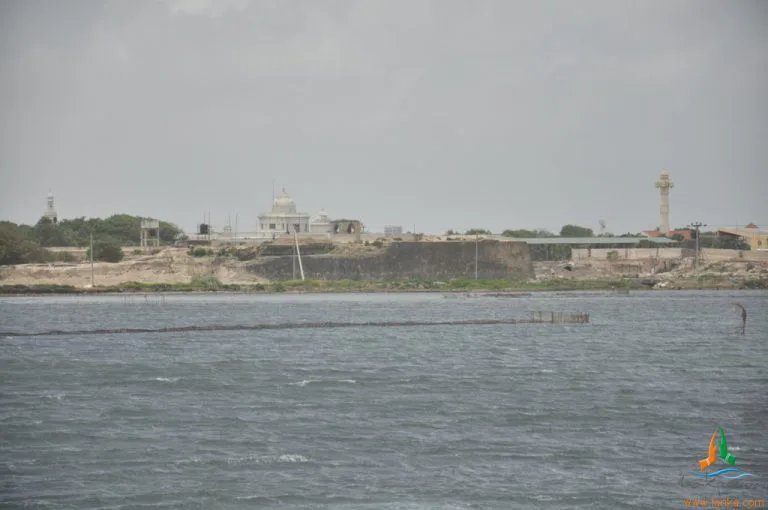
A guide to Jaffna and Sri Lanka's Northern Province: a four-century Tamil kingdom, colonial layers, post-war recovery, visiting tips and map.
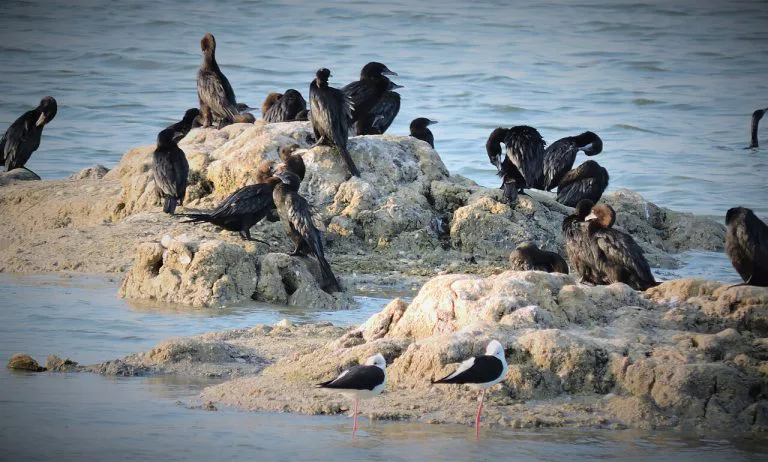
A guide to the Jaffna Peninsula: its temples, ancient sites, beaches and colonial heritage, spanning Jaffna city and its surrounding villages.
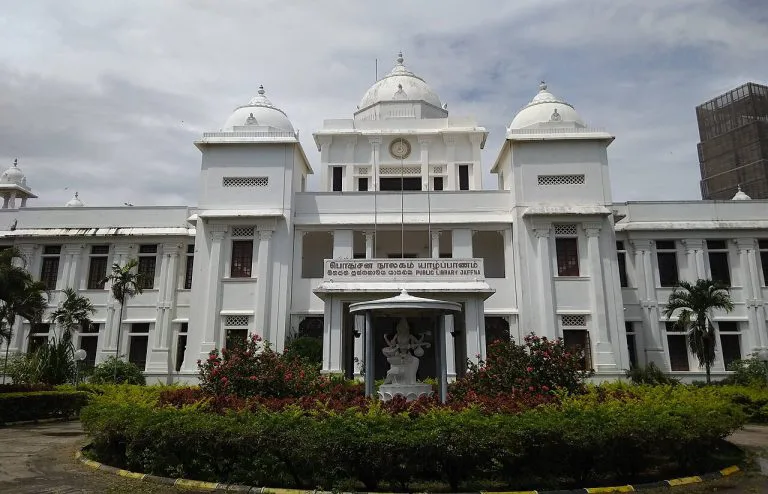
A guide to Jaffna city: capital of a 400-year Tamil kingdom, its library's destruction and rebirth, post-war recovery, visiting tips and map.













