

Dsigngo is a Graphic Design and Digital Marketing Company.
Write what you are looking for and press enter to begin your search!

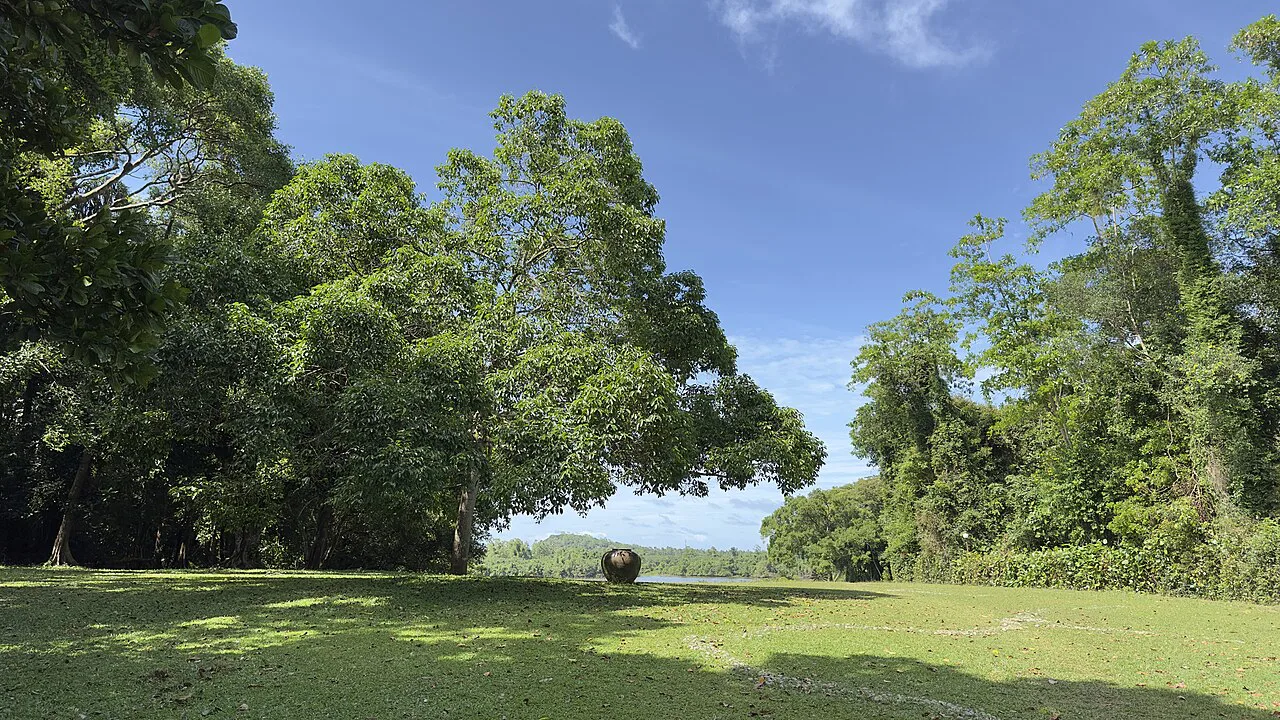
Bentota, West Coast
Lunuganga
The country estate where Sri Lanka’s most celebrated architect spent five decades experimenting with tropical modernism, on a peninsula overlooking Dedduwa Lake.
Geoffrey Bawa never trained as an architect until well into his career, and Lunuganga is where that self-taught eye first found its voice. What began as an ordinary rubber and cinnamon plantation on the edge of Dedduwa Lake became, over the next fifty years, the testing ground for ideas that would eventually make Bawa one of the most influential architects Asia has produced.
Quick Facts
| Location | Dedduwa Lake, near Bentota, Southern Province |
| Purchased | 1948, by Geoffrey Bawa, then a young lawyer |
| Meaning of name | ‘Salt River’ in Sinhala |
| Previous use | Cinnamon estate under the Dutch, rubber plantation under the British |
| Development period | 1948 to 1998, when Bawa’s stroke ended his active work |
| Current status | Country house hotel, managed by the Geoffrey Bawa Trust |
Commonly searched as: Lunuganga · Geoffrey Bawa garden · Bentota Bawa estate · tropical modernism garden · things to do near Bentota
A Lawyer’s Weekend Project That Became a Life’s Work
In 1948, on the eve of Sri Lankan independence and just before his own thirtieth birthday, Geoffrey Bawa was practising law in Colombo when he bought roughly 15 acres of land on a peninsula jutting into Dedduwa Lake, near Bentota. The property had a long working history behind it, cultivated as a cinnamon estate during Dutch colonial rule and later converted to a rubber plantation under the British. Bawa’s initial ambition was modest: convert the existing bungalow into a weekend retreat and, inspired by an Italian villa he had failed to purchase during his travels, build a tropical version of a European Renaissance garden.
He named the estate Lunuganga, meaning “Salt River” in Sinhala. It didn’t take long for Bawa to realise that turning his vision into reality required skills he didn’t have. Rather than hire an architect, he returned to England to study architecture himself, a decision that redirected his entire career and eventually produced one of the most significant bodies of work in 20th-century Asian architecture.
Fifty Years of Continuous Experimentation
Unlike a garden designed and completed on a fixed timeline, Lunuganga functioned as Bawa’s ongoing laboratory for nearly five decades, from 1948 until a stroke in 1998 forced him to stop active work, not long after Prince Charles had visited as his guest. Over that period, Bawa continuously reshaped the landscape, drawing inspiration from Sri Lanka’s ancient water gardens alongside Italian Renaissance formality, English landscape design, and Japanese garden principles, blending all of it into something distinctly his own.
The estate is organised into named sections, each with its own character: the Red Terrace, named for the colour of its exposed topsoil; the Water Garden, centred on a small lake framed by tall bamboo; the Glass Room; and the Yellow Courtyard, among others. Structures throughout the property, the main house, garden pavilions, boundary walls, are designed to dissolve into their surroundings rather than dominate them, using open verandas, latticework and expansive window openings to blur the line between indoors and outdoors, a hallmark that would define Bawa’s tropical modernist style across all his later work.
Reclaimed Materials, Deliberate History
Bawa frequently incorporated salvaged materials into Lunuganga’s structures, weathered beams, reclaimed bricks, and stone columns taken from other, often demolished, buildings. That practice gave the estate a sense of accumulated history and timelessness even as it was being actively built and rebuilt throughout Bawa’s lifetime.
Visiting Today
Since Bawa’s death in 2003, Lunuganga has been managed by the Geoffrey Bawa Trust and operates as a small country house hotel with just a handful of guest suites, each preserved in a style reflecting how the estate looked during Bawa’s lifetime, filled with a mix of antique and contemporary furniture and artwork. Day visitors can join guided garden tours, though the full experience of wandering the grounds at leisure is generally reserved for overnight guests.
Practical Tips
- Book a guided tour in advance if visiting for the day, since access is more structured than at a typical public garden.
- Consider staying overnight for the fuller experience of exploring the grounds at your own pace.
- Combine with Brief Garden, Bevis Bawa’s contrasting, wilder garden nearby, for a fuller picture of the Bawa brothers’ influence on Sri Lankan landscape design.
- Wear comfortable shoes, as the grounds include uneven surfaces, steps, and inclines with limited handrails.
Where It Sits on the Map
Lunuganga Estate, Dedduwa Lake, near Bentota Open in Google Maps ↗
Frequently Asked Questions
Who created Lunuganga and when?
Geoffrey Bawa, then a young lawyer, purchased the estate in 1948 and developed it continuously for the next 50 years, until a stroke in 1998 ended his active work there.
What does Lunuganga mean?
It translates to ‘Salt River’ in Sinhala.
How is Lunuganga different from Brief Garden?
Lunuganga, created by Geoffrey Bawa, reflects a more architecturally disciplined, internationally influenced design approach, while Brief Garden, created by his brother Bevis, is wilder and more intuitively arranged.
Can visitors stay overnight at Lunuganga?
Yes, it operates as a small country house hotel with a handful of guest suites, managed by the Geoffrey Bawa Trust.
← Sri Lanka: The Complete Guide — see all 258 places by region
Related News
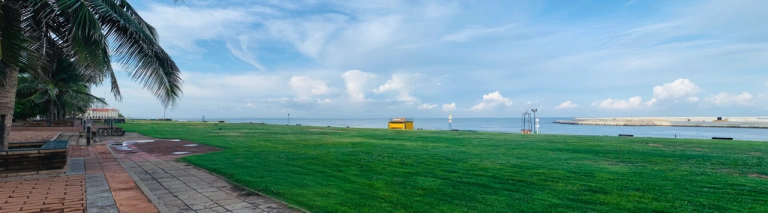
A guide to Sri Lanka's West Coast region, from Kalpitiya to Hikkaduwa: beaches, history, wildlife and travel tips.
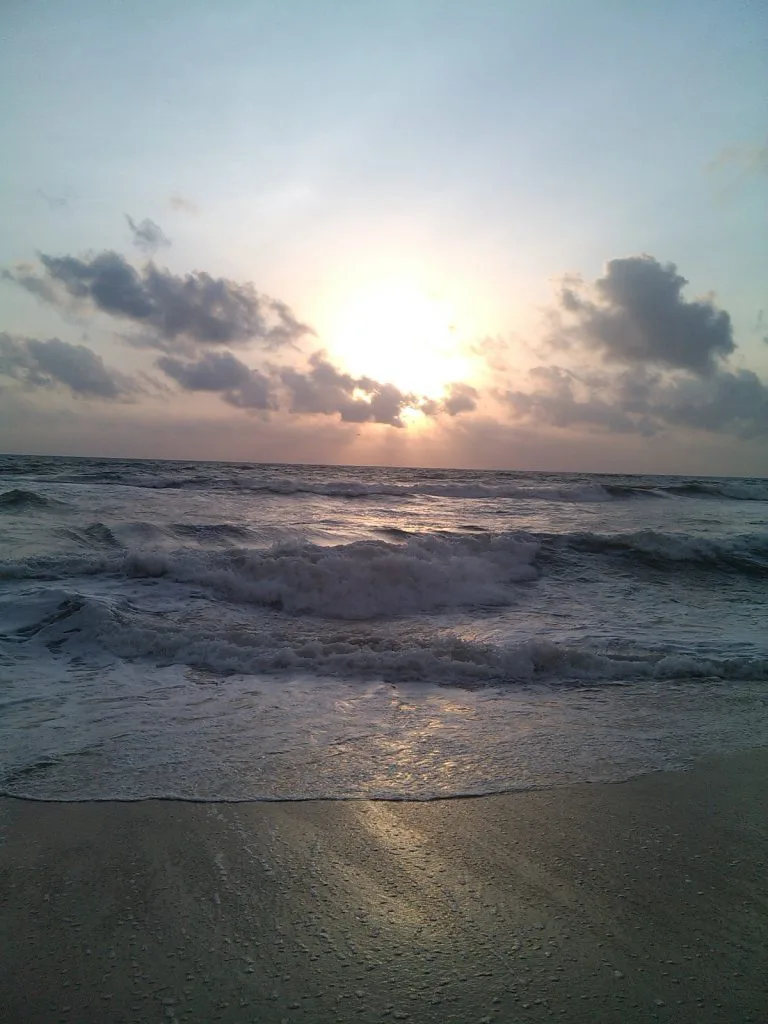
A complete guide to Negombo, Sri Lanka: history, the fish market, Dutch canal, churches, and visiting tips near the airport.

A guide to Sri Munneswaram Temple near Chilaw, Sri Lanka: history, the Ramayana legend, festivals, visiting tips and map.













