

Dsigngo is a Graphic Design and Digital Marketing Company.
Write what you are looking for and press enter to begin your search!

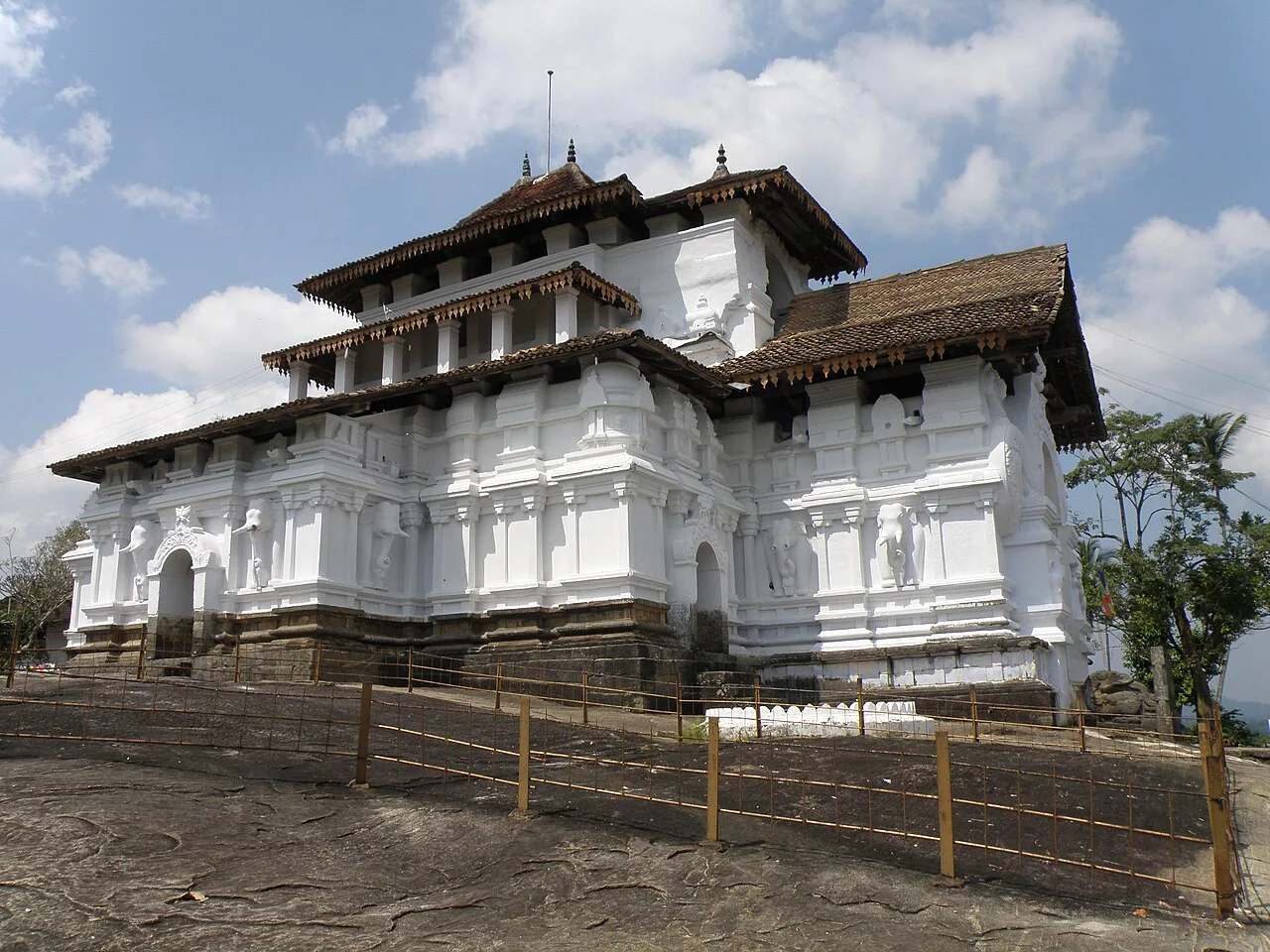
Near Kandy, Hill Country
Lankatilaka Temple
Built at the very moment the Gampola Kingdom’s political power was weakening, this temple’s soaring pinnacle and clifftop position have been read by scholars as an attempt to compensate earthly decline with cosmic grandeur.
Scholars studying the Gampola period have noted something striking about Lankatilaka’s timing: it was built at precisely the moment the kingdom’s actual political and military power was declining, and its soaring, multi-storey design has been interpreted as a deliberate compensation, projecting cosmic and religious authority to offset a weakening earthly one.
Quick Facts
| Location | On a rock outcrop called Panhalgala, near Gadaladeniya and Embekke |
| Built | 14th century, under King Bhuvanekabahu IV, Gampola era |
| Access | 172 original Gampola-era stone steps |
| Style | Considered the architectural peak of Gampola-period Sinhalese design |
| Interior features | Frescoes depicting Buddhist stories, a carved dragon arch entrance |
| Scholarly significance | Cited as an example of ‘divine kingship’ architecture by researchers like Hans-Dieter Evers |
Commonly searched as: Lankatilaka Temple · Lankatilaka Vihara Kandy · Gampola architecture · Three Temples Loop · things to do near Kandy
Built at the Kingdom’s Political Peak, Architecturally Speaking
Lankatilaka Temple was constructed in the 14th century under King Bhuvanekabahu IV, positioned dramatically at the crest of a rock outcrop known as Panhalgala. Reaching the temple means climbing 172 original stone steps dating to the Gampola era itself, a physically demanding approach that rewards visitors with sweeping views over the surrounding countryside once they arrive.
Sociologist Hans-Dieter Evers has argued that Lankatilaka represents the culmination point of a broader trend toward “divine kingship” in Sri Lankan Buddhist architecture, a trend that intensified after the Polonnaruwa period as Sinhalese kings faced diminishing practical political and military authority. Rather than simply accept that decline, Evers suggests, rulers like Bhuvanekabahu IV compensated by projecting an even higher cosmic and religious status through increasingly grand sacral architecture, using temples like Lankatilaka to reframe the monarchy’s position in symbolic rather than purely secular terms.
Architectural and Artistic Highlights
The temple’s design incorporates a towering, multi-storey pinnacle, widely regarded as the finest architectural achievement of the Gampola period, alongside interior frescoes depicting scenes from Buddhist stories and a distinctively carved dragon arch marking the entrance to the shrine room. Elephant sculptures and other carved details add further texture to a building that manages to feel both monumental and intricately detailed at the same time.
Combining Religious Traditions
Like its neighbouring temples on the loop, Lankatilaka reflects the broader Gampola-era blending of Theravada Buddhism, Mahayana influences, and Hindu elements, a syncretism that shaped religious architecture across the kingdom during this relatively brief but artistically significant period.
Visiting Tips
- Wear sturdy footwear for the 172-step climb, which can be uneven in places given its age.
- Visit mid-loop, after Gadaladeniya and before Embekke, the order most commonly recommended.
- Take time to appreciate the panoramic countryside views from the temple’s elevated position.
- Most visitors arrive from Kandy, which offers the widest range of accommodation for a day trip to the site.
Reading Politics Into Stone
What makes Lankatilaka genuinely interesting beyond its craftsmanship is how directly art historians have connected its scale to the political anxieties of the era that produced it. A kingdom losing ground, quite literally, to rival regional powers chose to respond not with military expansion but with an extraordinary investment in religious architecture, effectively translating earthly insecurity into an assertion of unshakeable cosmic legitimacy. Whether or not that strategy succeeded in shoring up the Gampola dynasty’s actual authority, it left behind one of the most visually striking temples in the region, a building whose grandeur still communicates confidence centuries after the kingdom that built it faded into history.
Where It Sits on the Map
Lankatilaka Temple, Panhalgala rock outcrop, near Kandy Open in Google Maps ↗
Frequently Asked Questions
Why is Lankatilaka considered architecturally significant?
It’s regarded as the peak of Gampola-period Sinhalese temple architecture, featuring a towering multi-storey pinnacle and dramatic clifftop position.
How do visitors reach the temple?
Via 172 original Gampola-era stone steps leading up to the rock outcrop known as Panhalgala.
What is the ‘divine kingship’ theory associated with Lankatilaka?
Scholar Hans-Dieter Evers has argued the temple’s grandeur was built to compensate symbolically for the Gampola kingdom’s declining actual political power at the time.
What can visitors see inside the temple?
Frescoes depicting Buddhist stories, a carved dragon arch entrance, elephant sculptures, and a Buddha statue within the shrine room.
← Sri Lanka: The Complete Guide — see all 258 places by region
Related News
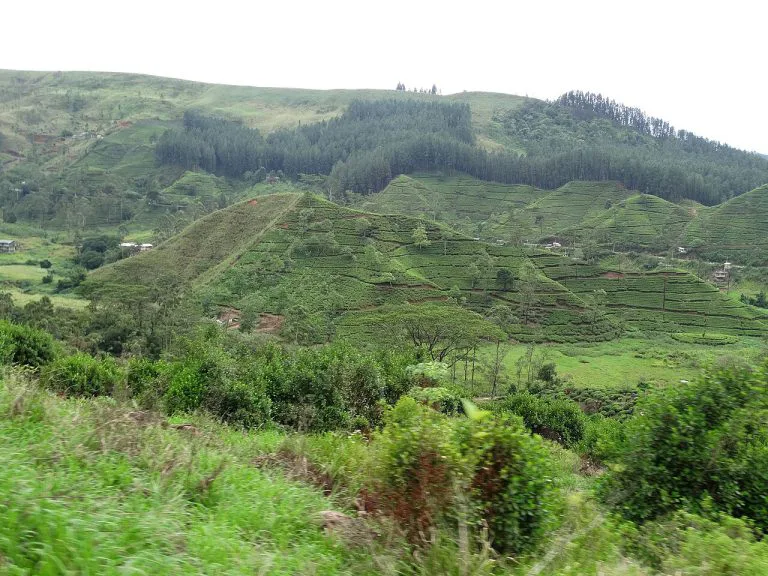
A guide to Sri Lanka's Hill Country: Kandy, tea plantations, Ella, Adam's Peak, Horton Plains, and travel tips.
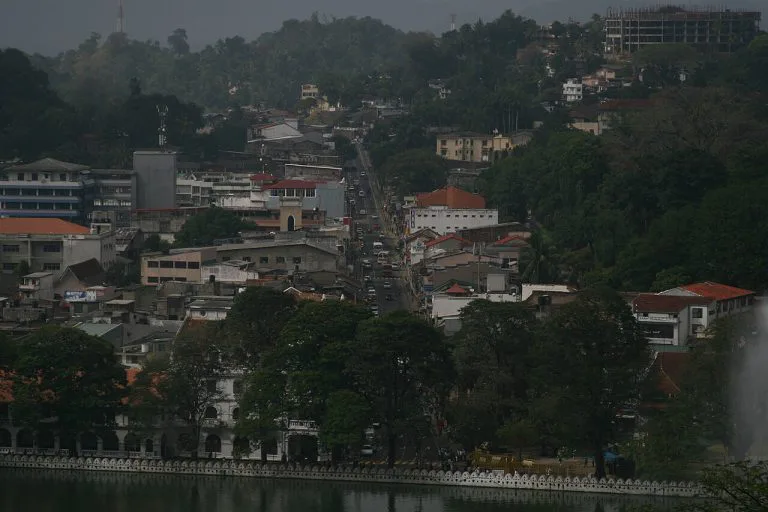
A complete guide to Kandy: the last Sinhalese kingdom's fall in 1815, the Temple of the Tooth, Kandy Lake, and visiting tips.
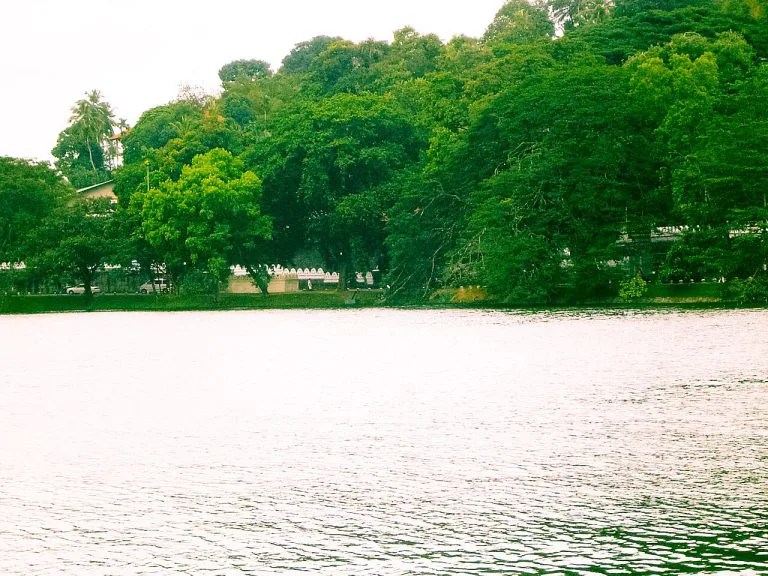
A guide to Kandy Lake, built by the last king of Kandy in 1807: its dark construction history, the island retreat, walking the shore, and...













