

Dsigngo is a Graphic Design and Digital Marketing Company.
Write what you are looking for and press enter to begin your search!

Jaffna and The North, Sri Lanka
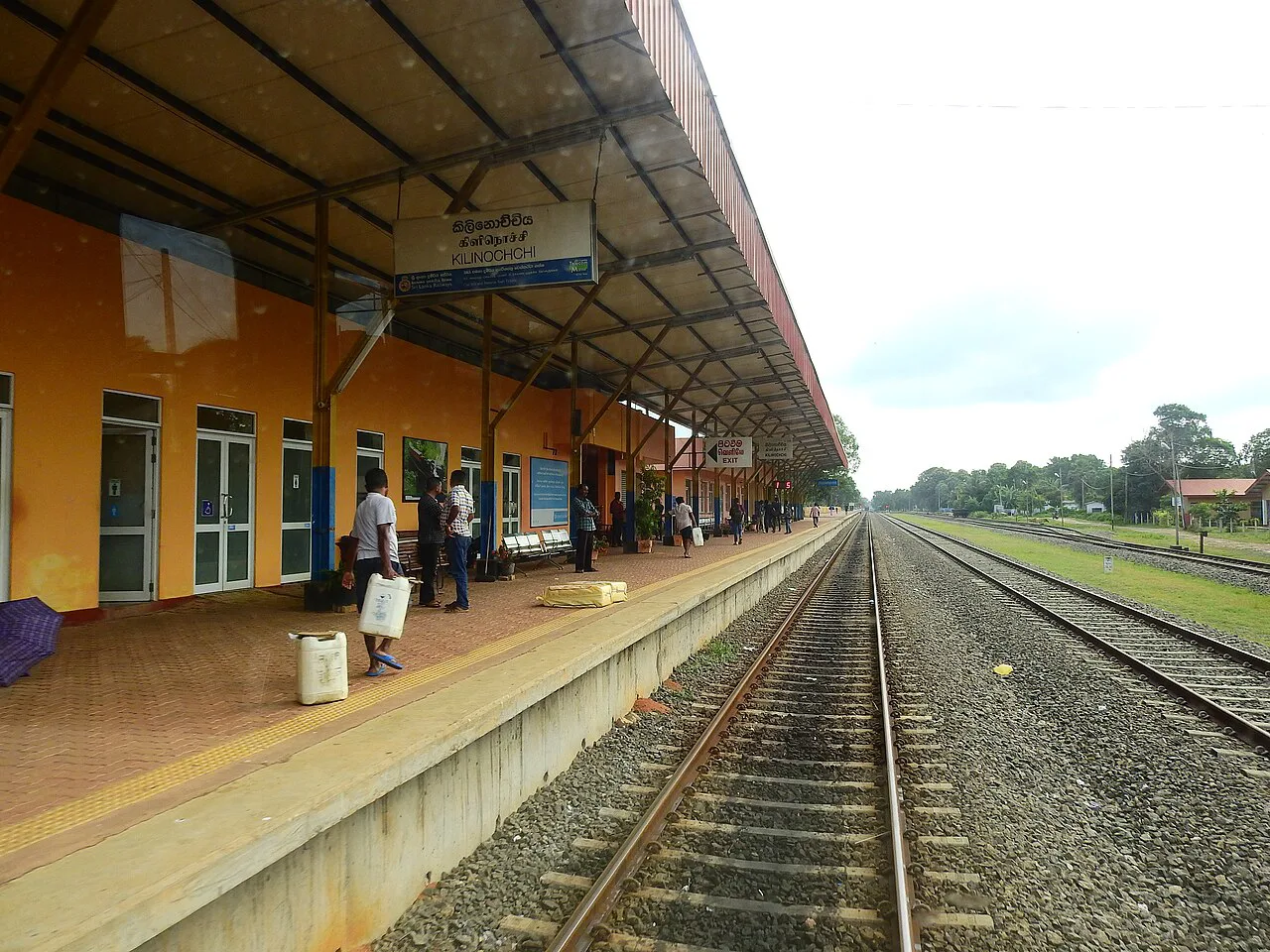
Kilinochchi
A collapsed yellow water tower still lies on its side along the A9 highway, deliberately destroyed in the war’s final weeks, now left as a stark, unmissable marker of one of the conflict’s decisive turning points.
For roughly two decades, Kilinochchi functioned as the administrative centre of the LTTE’s unrecognised state in the north, changing hands repeatedly during Sri Lanka’s civil war before its recapture by government forces in January 2009 marked a genuine turning point in the conflict’s final phase.
Quick Facts
| Location | Northern Province, on the A9 highway between Vavuniya and Jaffna |
| Historical role | De facto administrative capital of the LTTE’s proposed Tamil Eelam state |
| First LTTE control | 1990, following Sri Lankan Army withdrawal |
| Recaptured by government forces | 22 September 1996; retaken by LTTE 1998; finally recaptured 2 January 2009 |
| War memorial | A water tower deliberately destroyed by the LTTE in January 2009 |
| Today | A recovering agricultural district with war memorials and rural landscapes |
Commonly searched as: Kilinochchi Sri Lanka · Kilinochchi water tower · LTTE capital Kilinochchi · Kilinochchi civil war history · things to do in Kilinochchi
A Town That Changed Hands Repeatedly
Kilinochchi’s location on the A9 highway, the main artery connecting Sri Lanka’s south to Jaffna, made it a genuinely strategic prize throughout the civil war, and the town’s control shifted between government and LTTE forces multiple times across the conflict’s decades. The LTTE first seized Kilinochchi in 1990, following a Sri Lankan Army withdrawal from northern garrisons. Government forces recaptured it in September 1996 after a 70-day offensive, only for the LTTE to retake it in September 1998 following Operation Unceasing Waves II, after which Kilinochchi served as the de facto administrative capital of the LTTE’s proposed Tamil Eelam state for roughly a decade.
That decade-long period ended in the war’s final major phase, when the Sri Lankan Army launched a sustained offensive beginning in November 2008. As government forces closed in during December 2008, the LTTE forced many civilians to flee with them toward Mullaitivu, and before abandoning the town, LTTE forces destroyed Kilinochchi’s main water tower on 2 January 2009, a deliberate act of infrastructure destruction that cut off water supply to the town in an already dry region. Government forces took control of Kilinochchi that same day, an event widely regarded as a decisive turning point in the war’s concluding months, with the conflict itself ending in May 2009.
A Fallen Tower Left as a Memorial
The destroyed water tower has since been preserved, deliberately left lying on the ground rather than cleared away, as a stark physical memorial to the war’s final phase. Its scale is genuinely striking up close, the collapsed structure’s gaping interior large enough to convey a real sense of what it once represented for the town’s water supply, now dwarfing the smaller buildings that have grown up around it since.
Rebuilding Through Agriculture
Since 2009, Kilinochchi District has focused on recovery through renewed road construction, irrigation projects, and communities returning to farming, its landscape of paddy fields, canals and reservoirs, including the substantial Iranamadu Tank, reflecting the region’s underlying agricultural character reasserting itself after decades of disruption. The Security Forces Headquarters at Kilinochchi, formally established in June 2009, marked the town’s transition toward civilian administration.
Visiting Tips
- Visit the fallen water tower memorial along the A9 highway as a genuinely sobering stop on the journey between Vavuniya and Jaffna.
- Approach the site, and conversations about the region’s recent history, with genuine sensitivity and respect.
- Combine with a visit to Iranamadu Tank or local Hindu kovils for a fuller sense of the district’s rural, recovering character.
- Plan for a brief stopover rather than an extended stay, given the district’s limited tourism infrastructure.
Where It Sits on the Map
Kilinochchi, Northern Province, Sri Lanka Open in Google Maps ↗
Frequently Asked Questions
Why is Kilinochchi historically significant?
It served as the de facto administrative capital of the LTTE’s proposed Tamil Eelam state for roughly a decade during Sri Lanka’s civil war, changing hands between government and LTTE forces multiple times.
What is the fallen water tower?
Kilinochchi’s main water tower, deliberately destroyed by the LTTE on 2 January 2009 as government forces recaptured the town; it has since been preserved as a war memorial.
When did the fighting for Kilinochchi end?
Government forces recaptured the town on 2 January 2009, an event widely regarded as a turning point in the war’s final phase, with the broader conflict ending in May 2009.
What is Kilinochchi like today?
A recovering agricultural district focused on farming, irrigation and infrastructure rebuilding, with war memorials and rural landscapes forming its main points of interest for visitors.
← Sri Lanka: The Complete Guide — see all 258 places by region
Related News
A guide to Jaffna and Sri Lanka's Northern Province: a four-century Tamil kingdom, colonial layers, post-war recovery, visiting tips and map.
A guide to the Jaffna Peninsula: its temples, ancient sites, beaches and colonial heritage, spanning Jaffna city and its surrounding villages.
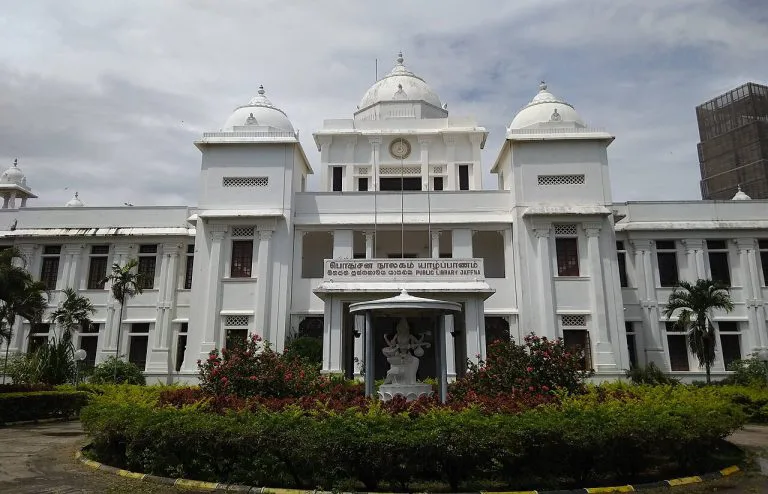
A guide to Jaffna city: capital of a 400-year Tamil kingdom, its library's destruction and rebirth, post-war recovery, visiting tips and map.













