

Dsigngo is a Graphic Design and Digital Marketing Company.
Write what you are looking for and press enter to begin your search!

West Coast, Sri Lanka
Induruwa and Kosgoda
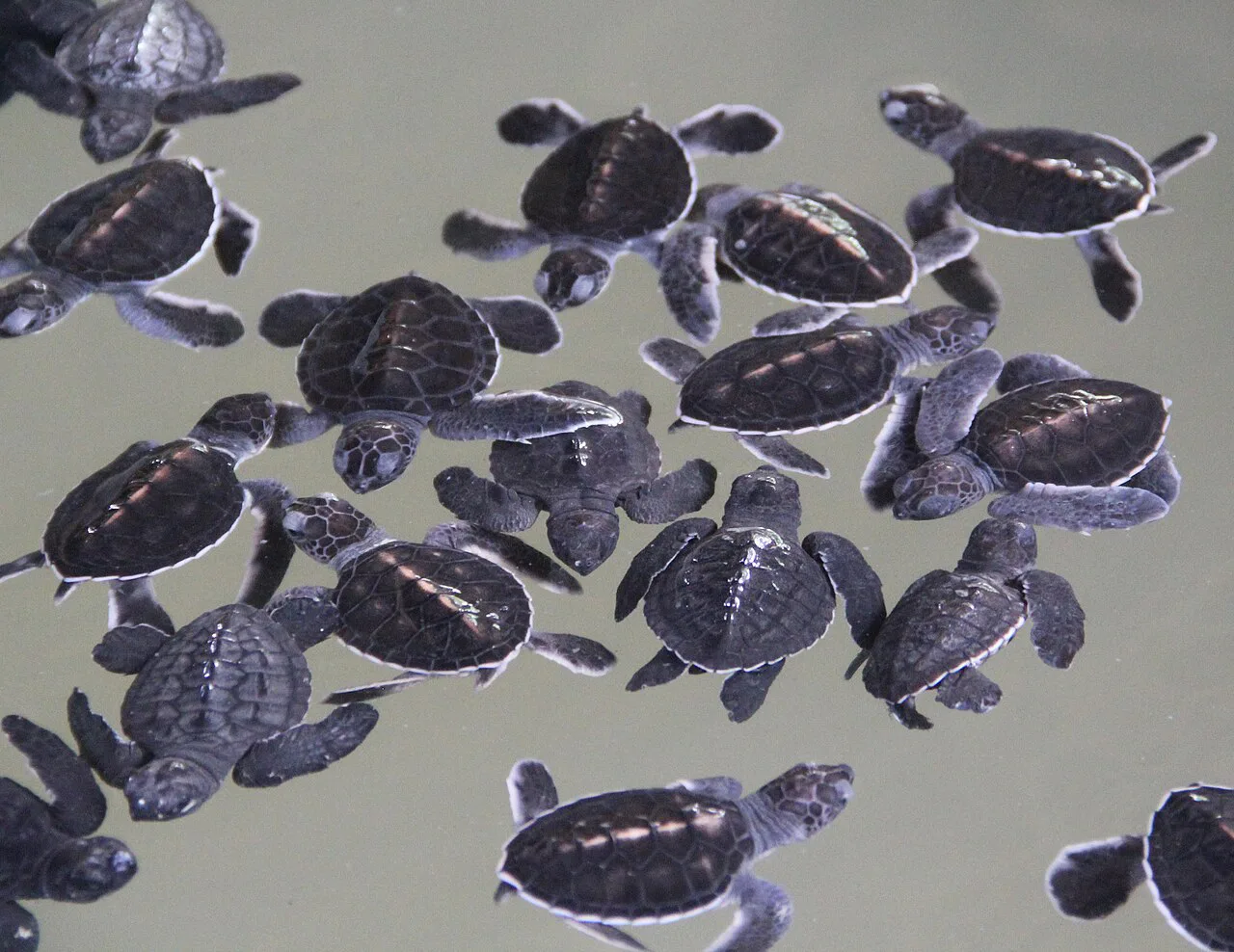
Neighbouring beach villages on Sri Lanka’s West Coast, both key nesting grounds for endangered sea turtles and home to some of the country’s longest-running conservation projects.
Just south of Bentota’s busier resort strip, the coast quietens down considerably around Induruwa and Kosgoda, two beach villages known less for nightlife and more for a genuinely important cause: protecting the sea turtles that have nested on this stretch of sand for far longer than any resort has stood here.
Quick Facts
| Location | South of Bentota, Galle District, West Coast |
| Turtle species nesting locally | Green, hawksbill, olive ridley, loggerhead and leatherback |
| Oldest conservation project | Kosgoda Sea Turtle Conservation Project, founded 1978 |
| Nesting season | Roughly November to April on the West Coast |
| Hatchlings released (Kosgoda, cumulative) | Reportedly over 3.5 million since the project began |
| Character | Quieter, more low-key than Bentota or Hikkaduwa |
Commonly searched as: Kosgoda turtle hatchery · Induruwa beach · Sri Lanka sea turtle conservation · Kosgoda sea turtle project · things to do near Bentota
A Coast Built Around Nesting Turtles
Long before conservation projects existed, the beaches around Induruwa and Kosgoda were already important nesting grounds for multiple species of sea turtle, drawn to this stretch of soft, undisturbed sand along Sri Lanka’s southwest coast. Five species nest in the region: green, hawksbill, olive ridley, loggerhead and leatherback turtles, several of which are classified as vulnerable to critically endangered. That natural abundance, unfortunately, also made the area a target for egg poachers, who would raid nests to sell eggs on the black market or to restaurants for turtle egg soup, and for those capturing hatchlings and adult turtles for trade.
The Kosgoda Sea Turtle Conservation Project, founded in 1978 by a local doctor and research scientist, was established directly in response to that threat, making it one of the oldest and most established sea turtle conservation efforts in the country. Nearly five decades later, it remains a central fixture of the area’s identity, reportedly having released more than 3.5 million baby turtles into the Indian Ocean over its operating history.
How the Hatcheries Work
Kosgoda and the surrounding conservation projects, including a separate effort at nearby Induruwa, generally follow a similar model: staff purchase turtle eggs from local fishermen rather than leaving them to poachers, then relocate and bury the eggs in protected hatchery sand until they hatch. Hatchlings are then released into the sea, often as part of a supervised release event that visitors can watch or occasionally participate in. The projects also rescue and care for injured or sick turtles, some housed long-term at the centres, including rare specimens like albino turtles that couldn’t survive if released.
Beyond direct conservation work, these centres run community outreach and education programmes, inviting local schools to learn about turtle biology and the importance of protecting nesting sites, an effort aimed at shifting attitudes in the next generation of coastal residents away from egg poaching and toward conservation.
Visiting a Hatchery Responsibly
Not every hatchery along this coast operates to the same standard, some visitor reviews note cramped, “concrete pool” style holding tanks that raise animal welfare concerns, even at well-established, well-intentioned centres. It’s worth choosing an established, reputable project, ideally one with transparent conservation credentials, and booking hatchling release viewings in advance where possible, since timing depends on natural hatching schedules rather than visitor convenience.
Visiting Tips
- Visit during the November to April nesting season for the best chance of seeing nesting females or hatchling releases.
- Book ahead for guided hatchery tours or turtle release programmes, as these depend on hatching schedules.
- Research the specific hatchery’s conservation reputation beforehand, standards vary between different operations along this coast.
- Enjoy the quieter beaches here as a contrast to busier Bentota and Hikkaduwa further along the coast.
A Quiet Success Story
It’s worth appreciating how genuinely significant the shift from poaching to protection has been along this stretch of coast. A trade that once treated turtle eggs as a black-market commodity has, over nearly five decades, been substantially redirected into a legitimate conservation economy, one where fishermen sell eggs to hatcheries rather than poachers, and where local schoolchildren grow up learning to value the turtles nesting on their beaches rather than seeing them purely as a resource to exploit. That transformation didn’t happen through government regulation alone, it took sustained, community-level effort from projects like Kosgoda’s, sustained over multiple generations. For visitors, spending an afternoon here supports that ongoing work directly, in a way that a purely scenic beach stop further up the coast simply doesn’t.
Where It Sits on the Map
Induruwa and Kosgoda, Galle District, West Coast Open in Google Maps ↗
Frequently Asked Questions
Why are Induruwa and Kosgoda important for turtles?
Both villages sit along a stretch of coast that serves as nesting ground for five species of sea turtle, several of which are endangered, making the area a longstanding focus for conservation work.
How old is the Kosgoda Sea Turtle Conservation Project?
It was founded in 1978, making it one of the oldest and most established sea turtle conservation projects in Sri Lanka.
What do the hatcheries actually do?
They purchase turtle eggs from local fishermen (rather than leaving them to poachers), relocate and protect the eggs until hatching, then release hatchlings into the sea, alongside rehabilitating injured turtles.
When is the best time to visit for turtle activity?
Roughly November to April on the West Coast, the peak nesting season.
← Sri Lanka: The Complete Guide — see all 258 places by region
Related News
A guide to Sri Lanka's West Coast region, from Kalpitiya to Hikkaduwa: beaches, history, wildlife and travel tips.
A complete guide to Negombo, Sri Lanka: history, the fish market, Dutch canal, churches, and visiting tips near the airport.

A guide to Sri Munneswaram Temple near Chilaw, Sri Lanka: history, the Ramayana legend, festivals, visiting tips and map.













