

Dsigngo is a Graphic Design and Digital Marketing Company.
Write what you are looking for and press enter to begin your search!

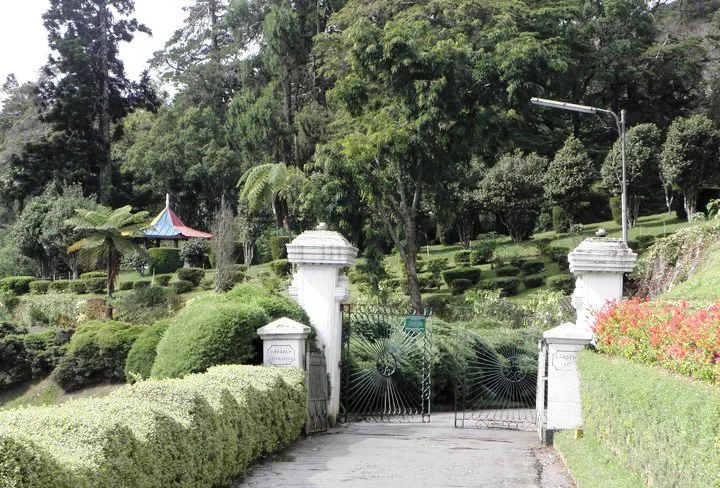
Near Nuwara Eliya, Hill Country
Hakgala Botanical Gardens
Legend holds that this misty hillside garden was once Ashok Vatika, where the demon king Ravana held Princess Sita captive; history records it more prosaically as an 1861 British research station for anti-malarial cinchona.
Long before British botanist George Henry Kendrick Thwaites established a research garden here in 1861, this same hillside was already, according to the Ramayana, a very different kind of garden entirely, one where a captive princess waited for rescue among flowering Ashoka trees.
Quick Facts
| Location | About 10 to 16 km southeast of Nuwara Eliya |
| Founded | 1861, by Dr George Henry Kendrick Thwaites |
| Original purpose | Cinchona cultivation research (source of anti-malarial quinine) |
| Size | About 28 hectares, Sri Lanka’s second-largest botanical garden |
| Elevation | 1,745 metres (cool temperate climate) |
| Legendary association | Site of Ashok Vatika, where Ravana held Sita captive in the Ramayana |
Commonly searched as: Hakgala Botanical Gardens · Ashok Vatika Sri Lanka · Nuwara Eliya botanical garden · Ramayana Trail Sri Lanka · things to do near Nuwara Eliya
Ashok Vatika: A Prison Garden From the Ramayana
According to the Ramayana, when King Ravana of Lanka abducted Princess Sita, he held her not in a dungeon but in a pleasure garden called Ashok Vatika, described in the epic not as a place of confinement but as a serene grove filled with flowering Ashoka trees, streams and blossoms. Local tradition identifies this very site, in what was then known as Seetha Eliya, as that legendary garden, and it’s said to be where Hanuman first met Sita during his search for her, presenting Rama’s ring as a token of hope that rescue was coming. The nearby Seetha Amman Kovil, built to commemorate the spot where Sita is said to have prayed for Rama’s arrival, still stands as a place of pilgrimage today, cementing the area’s place on Sri Lanka’s broader Ramayana Trail.
A British Malaria Research Station
The garden’s documented, scientific history begins considerably later and far more prosaically, in 1861, when English botanist and entomologist Dr George Henry Kendrick Thwaites established it specifically to experiment with cinchona cultivation, the plant whose bark yields quinine, the primary treatment for malaria at the time. That research mission reflected genuine colonial-era medical urgency, malaria posed a serious threat to both local populations and European settlers across the tropics, and finding reliable cultivation methods for quinine’s source plant was a matter of considerable practical importance. The site was later also used to test tea cultivation, part of the broader wave of agricultural experimentation that swept the Hill Country following the collapse of Ceylon’s coffee industry.
What Grows There Today
Today, Hakgala ranks as Sri Lanka’s second-largest botanical garden, spanning roughly 28 hectares against the dramatic backdrop of Hakgala Rock, which rises some 450 metres above the garden itself. Its cool, high-elevation climate suits a genuinely eclectic mix of plant life: an extensive rose garden in full, fragrant bloom during the March to May flowering season, orchid collections, ferns, a Japanese garden, a rock garden, and a water garden where lotus and water lilies mingle with more temperate English-style plantings, an unusual combination made possible by the site’s cooler-than-tropical elevation.
Visiting Tips
- Allow around two hours for a proper walk through the garden’s various themed sections.
- Visit during March to May for the rose garden at its most spectacular.
- Combine with a visit to the nearby Seetha Amman Kovil for the fuller Ramayana-linked pilgrimage experience.
- The plant nursery closes earlier than the main garden (around 3:30 pm), so visit that section first if it interests you.
Two Histories, One Hillside
Hakgala’s appeal rests on an unusual double identity that few gardens anywhere can match: a site of deep mythological significance layered directly beneath a genuinely important piece of colonial-era medical and agricultural history. Visitors can walk the same hillside understood by some as a mythic prison garden from one of world literature’s oldest epics, and by others as a practical 19th-century laboratory in the fight against a disease that killed millions. Neither reading cancels out the other, and that willingness to hold both a sacred legend and a scientific research legacy on the same patch of ground is, in its own way, a distinctly Sri Lankan approach to layered history, one where old stories and colonial-era records sit comfortably side by side rather than competing for a single, definitive narrative.
Where It Sits on the Map
Hakgala Botanical Gardens, near Nuwara Eliya Open in Google Maps ↗
Frequently Asked Questions
What is the Ramayana legend associated with Hakgala?
Local tradition identifies the site as Ashok Vatika, the garden where King Ravana held Princess Sita captive, and where Hanuman is said to have first met her.
Why was Hakgala originally established?
In 1861 as a research station for cultivating cinchona, the plant used to produce quinine, the primary treatment for malaria during the colonial era.
What is Hakgala known for today?
Its extensive rose garden, orchid collections, and cool-climate plantings, set against the dramatic backdrop of Hakgala Rock; it’s Sri Lanka’s second-largest botanical garden.
When is the best time to visit?
March to May, when the rose garden is in full bloom, though the garden is open and worth visiting year-round given its cool climate.
← Sri Lanka: The Complete Guide — see all 258 places by region
Related News
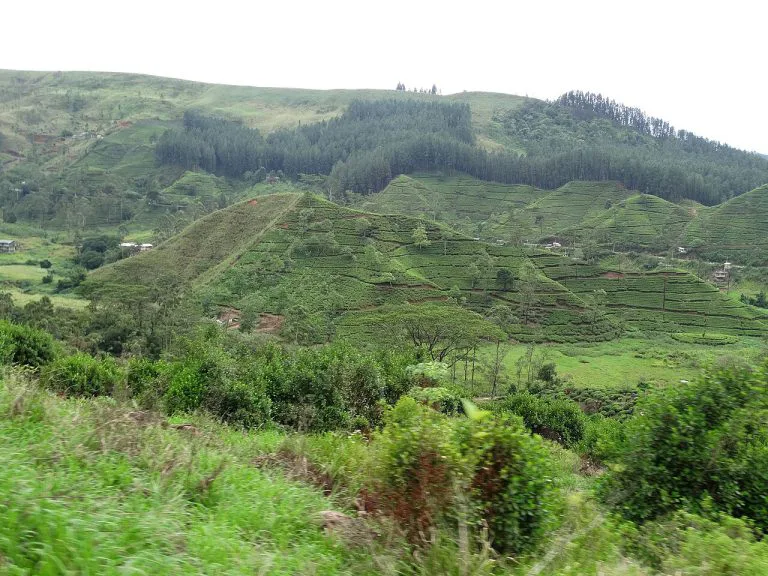
A guide to Sri Lanka's Hill Country: Kandy, tea plantations, Ella, Adam's Peak, Horton Plains, and travel tips.
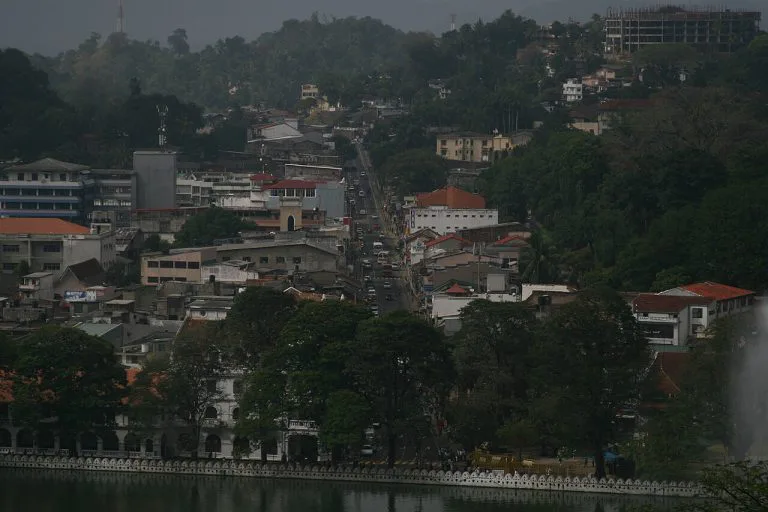
A complete guide to Kandy: the last Sinhalese kingdom's fall in 1815, the Temple of the Tooth, Kandy Lake, and visiting tips.
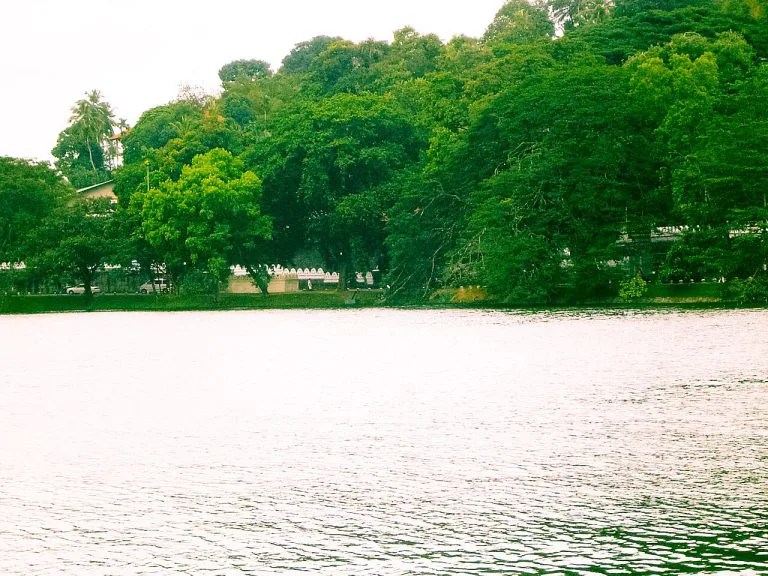
A guide to Kandy Lake, built by the last king of Kandy in 1807: its dark construction history, the island retreat, walking the shore, and...













