

Dsigngo is a Graphic Design and Digital Marketing Company.
Write what you are looking for and press enter to begin your search!

Jaffna and The North, Sri Lanka
Elephant Pass
A causeway barely a few kilometres wide became one of the most fought-over pieces of ground in Sri Lanka’s modern history, changing hands three times across the civil war and deciding, each time, who controlled the only land route into Jaffna.
Elephant Pass, known locally as Alimankada, occupies one of the most strategically decisive pieces of geography in all of Sri Lanka: a narrow land corridor that, whoever controlled it, controlled the only road into the Jaffna Peninsula, a fact three separate civil war battles proved in the most costly way possible.
Quick Facts
| Location | Northern Province, on the A9 highway, gateway to the Jaffna Peninsula |
| Local name | Alimankada |
| Historical use | Formerly the island’s largest salt field |
| First Battle | July 1991, 800 Sri Lankan troops besieged by an estimated 5,000 LTTE fighters |
| Second Battle | 2000, LTTE captured the pass, cutting off government land access to Jaffna |
| Third Battle | 2009, Sri Lankan Army recaptured the pass in the war’s final phase |
Commonly searched as: Elephant Pass Sri Lanka · Alimankada · Elephant Pass battles · Jaffna gateway causeway · things to do in Northern Province
A Chokepoint Worth Fighting Three Times Over
Elephant Pass’s strategic value comes down to simple geography: this narrow causeway, barely a few kilometres wide at its most constricted point, forms the only land connection between mainland Sri Lanka and the Jaffna Peninsula. Whoever controlled Elephant Pass controlled land access to Jaffna itself, a fact that made the crossing one of the single most fought-over locations throughout Sri Lanka’s civil war, contested in three separate, genuinely decisive battles across nearly two decades of conflict.
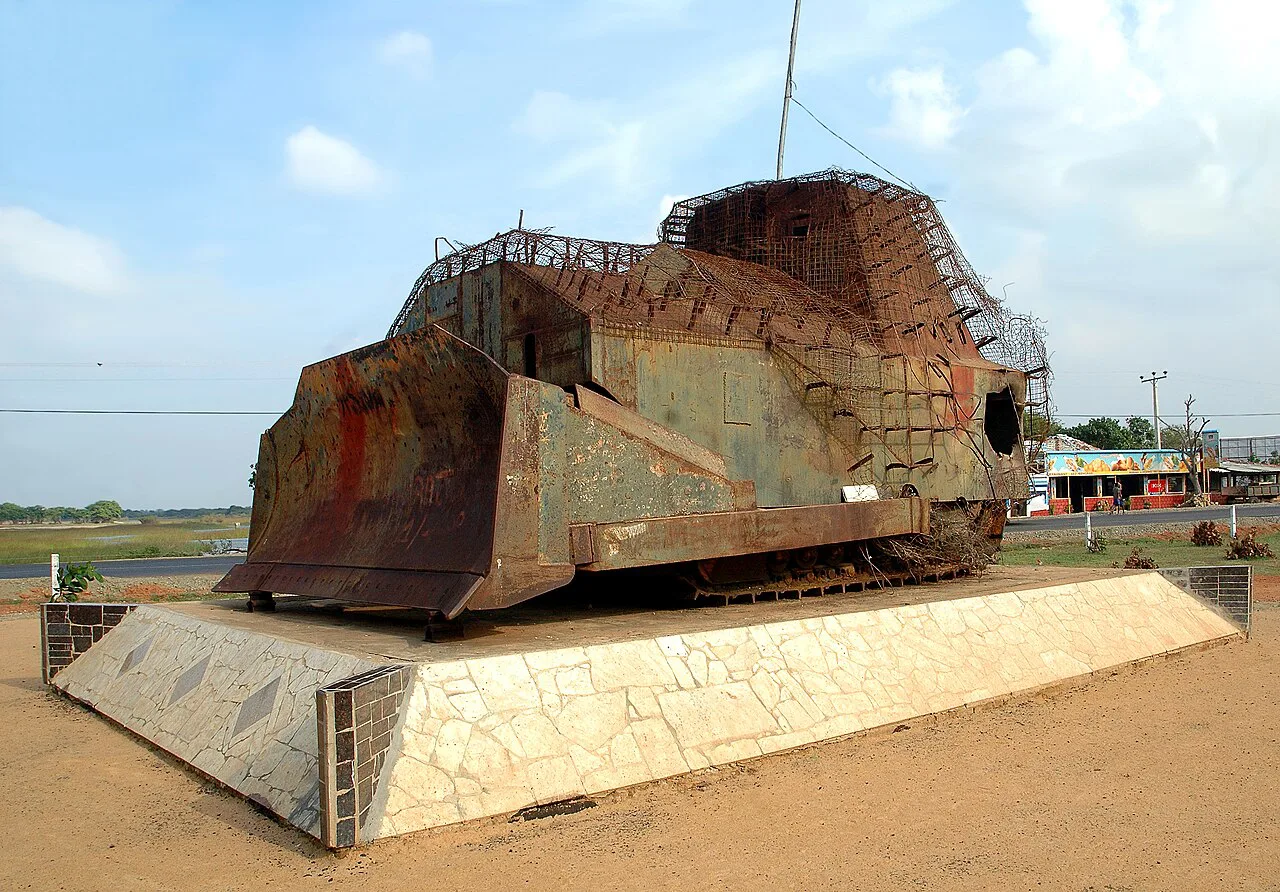
The first, and arguably most dramatic, came in July 1991, when the LTTE launched a massive assault, codenamed Operation Aakaya Kadal Veli, against the Sri Lankan Army base at Elephant Pass, manned by roughly 800 troops of the 6th Battalion, Sinha Regiment. The LTTE had already surrounded the base, cut off routes north and south, and positioned anti-aircraft weapons to prevent helicopter resupply, trapping the garrison entirely. The besieged troops, led by officers including Sarath Fonseka, held on for weeks against an estimated 5,000 LTTE fighters, while a relief operation led by Generals Denzil Kobbekaduwa and Vijaya Wimalaratne established a beachhead further along the coast and fought their way through to break the siege. Lance Corporal Gamini Kularatne was posthumously commemorated for reportedly stopping a suicide bulldozer attempting to breach the camp, an act of individual gallantry still remembered at the site today.
Lost, Then Finally Retaken
A second major battle in 2000 ended very differently: the LTTE successfully captured Elephant Pass, a significant strategic and symbolic loss for the government that effectively cut off land access to Jaffna for years afterward, forcing supplies and reinforcements to rely on sea and air routes instead. It wasn’t until 2009, during the war’s decisive final phase, that Sri Lankan government forces recaptured Elephant Pass, reopening land access to Jaffna and marking another genuine turning point in the conflict’s concluding months, alongside the fall of nearby Kilinochchi that same period.
Memory Preserved Along the Causeway
Today, several plaques and monuments along Elephant Pass commemorate the battles fought here between the Sri Lankan Army and the LTTE, and surviving bunkers offer visible, tangible reminders of the site’s military history. The main causeway itself gives clear views across the surrounding lagoon, illustrating with genuine clarity just how narrow, and how strategically vital, this single stretch of land really was.
Visiting Tips
- Stop at the war memorials along the causeway for context on the site’s significance, approaching them with appropriate respect.
- Take in the views across the lagoon from the causeway, illustrating the site’s genuine strategic chokepoint geography.
- Combine with a visit to Kilinochchi’s water tower memorial, both key sites from the war’s final phase along the same A9 route.
- Respect any areas still under military oversight, and stay on marked paths given the region’s history with landmines.
Where It Sits on the Map
Elephant Pass, Northern Province, Sri Lanka Open in Google Maps ↗
Frequently Asked Questions
Why was Elephant Pass so strategically important?
It formed the only land route connecting mainland Sri Lanka to the Jaffna Peninsula, making control of the narrow causeway decisive for controlling access to Jaffna itself.
How many major battles were fought at Elephant Pass?
Three: in 1991, when Sri Lankan forces successfully defended the base after a prolonged siege; in 2000, when the LTTE captured the pass; and in 2009, when government forces recaptured it during the war’s final phase.
What was Elephant Pass used for before the war?
It was formerly the site of Sri Lanka’s largest salt field.
What can visitors see at Elephant Pass today?
War memorials and plaques commemorating the battles fought there, surviving bunkers, and sweeping views across the lagoon from the main causeway.
← Sri Lanka: The Complete Guide — see all 258 places by region
Related News
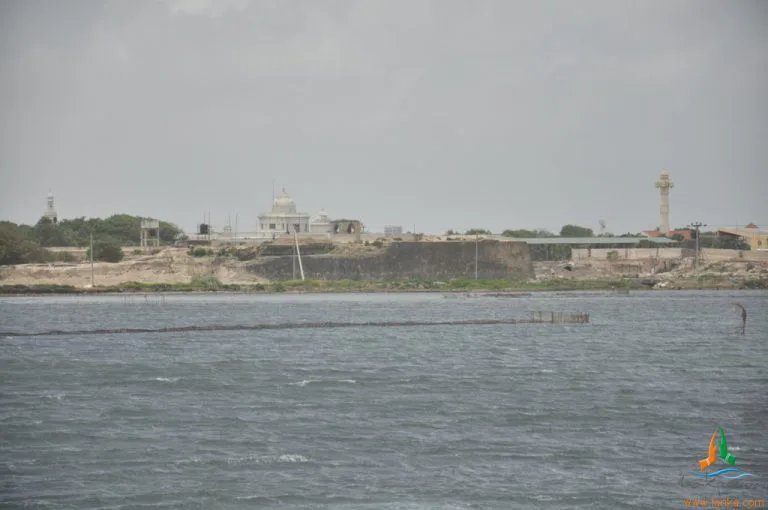
A guide to Jaffna and Sri Lanka's Northern Province: a four-century Tamil kingdom, colonial layers, post-war recovery, visiting tips and map.
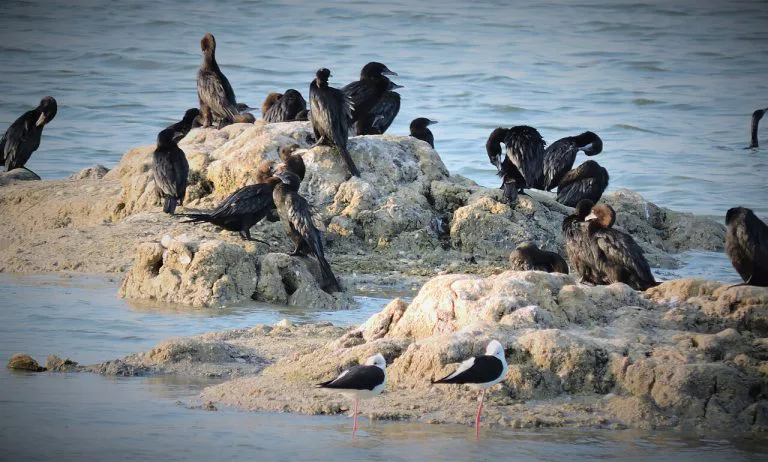
A guide to the Jaffna Peninsula: its temples, ancient sites, beaches and colonial heritage, spanning Jaffna city and its surrounding villages.
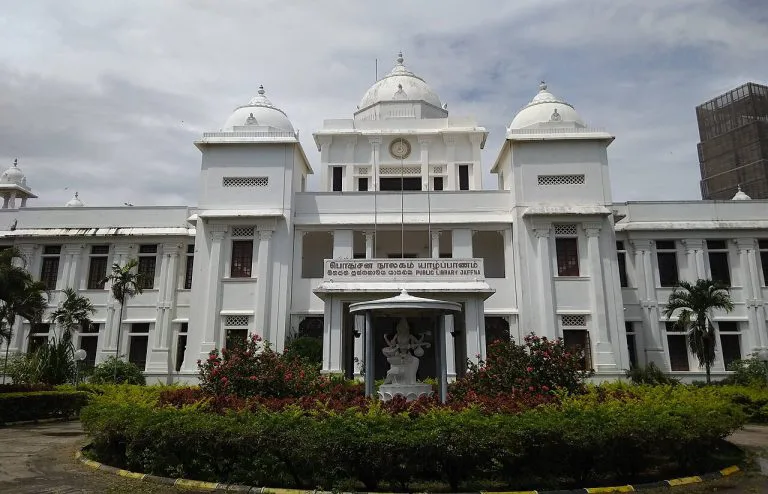
A guide to Jaffna city: capital of a 400-year Tamil kingdom, its library's destruction and rebirth, post-war recovery, visiting tips and map.













