

Dsigngo is a Graphic Design and Digital Marketing Company.
Write what you are looking for and press enter to begin your search!

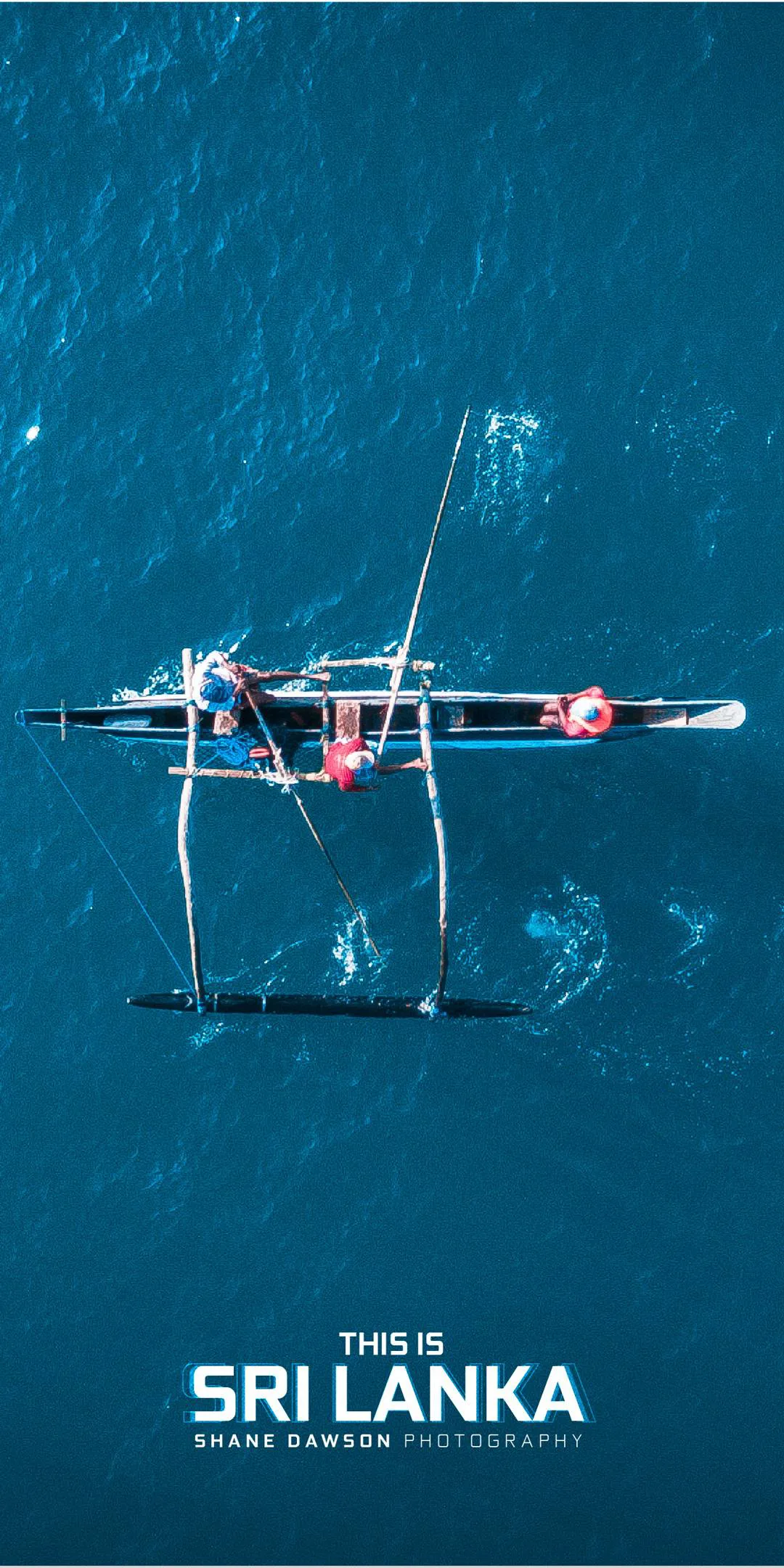
West Coast, Sri Lanka
Balapitiya
Gateway to the Madu Ganga, Sri Lanka’s largest mangrove-fringed estuary, where boat safaris wind past cinnamon islands, temple islets, and a genuine fish spa.
Turn inland from the coastal highway at Balapitiya and the scenery changes almost instantly, dense mangrove tunnels replace beach views, and the ocean gives way to one of Sri Lanka’s richest wetland ecosystems. The Madu Ganga estuary has become one of the most popular half-day excursions on the southwest coast, and for good reason.
Quick Facts
| Location | Balapitiya, Galle District, near Bentota |
| Water body | Madu Ganga (Madu River), Sri Lanka’s largest mangrove wetland |
| Size | About 10 km² of lagoon and estuary, roughly 5 km north to south |
| Islands | Around 15 to 25 inhabited or notable islets today, historically as many as 64 |
| Key stops | Kothduwa Temple, Cinnamon Island, fish spa pools |
| Boat trip length | Typically 1.5 to 3 hours |
Commonly searched as: Madu Ganga boat safari · Balapitiya Sri Lanka · Madu River mangrove tour · Cinnamon Island Sri Lanka · things to do near Bentota
Sri Lanka’s Largest Surviving Mangrove Wetland
The Madu Ganga, also spelled Maduganga, is recognised as one of Sri Lanka’s last wetlands with a genuinely pristine mangrove ecosystem, protected as a Ramsar wetland of international importance. The estuary and its associated lagoon cover roughly 10 square kilometres, stretching about 5 km from north to south, and support over 300 recorded plant species and around 200 vertebrate animal species, making it one of the richer pockets of biodiversity anywhere along Sri Lanka’s coast.
Historical accounts describe the lagoon as having once held as many as 64 distinct islets, though many have eroded or merged over time, leaving somewhere between 15 and 25 notable islands today, some inhabited, others simply covered in dense vegetation. The largest, Ma Doowa, spans roughly a kilometre across and is connected to Balapitiya by a 330-metre bridge.
What a Boat Safari Covers
Most visitors experience the Madu Ganga via a guided boat trip departing from Balapitiya, weaving through narrow mangrove tunnels before opening into broader lagoon waters. A typical route includes a stop at Kothduwa Temple, a small Buddhist monastery on an island in the middle of the river, home to an old Bo tree and image house, and Cinnamon Island, where guides demonstrate traditional cinnamon peeling and processing techniques still practised by local families.
Along the way, boats regularly pass monkeys foraging in overhanging branches, water monitor lizards gliding through the shallows, and a variety of birdlife including cormorants, egrets and kingfishers watching patiently from the banks. Crocodile sightings are possible, though less common than the other wildlife.
The Fish Spa Stop
One of the more unusual highlights on most tours is a stop at a fish pond, where visitors can dip their feet in water filled with small Garra rufa fish for a natural, tickly pedicure, a genuinely popular novelty that most boat operators build into their standard route.
Visiting Tips
- Book through an established local boat operator, several run from Balapitiya, offering trips from 1.5 up to 3 hours depending on how many stops you want to include.
- Early morning or late afternoon trips offer cooler temperatures and better wildlife visibility.
- Balapitiya sits close enough to Bentota and Ambalangoda to combine easily with other West Coast stops on the same day.
- Bring insect repellent and sun protection, since much of the trip takes place in open lagoon sunlight between mangrove sections.
An Economy Built Into the Landscape
What distinguishes the Madu Ganga from a purely scenic nature reserve is how thoroughly working life is woven into the wetland itself. Fishing communities still operate traditional fishing kraals within the lagoon, cinnamon cultivation on the islets remains a genuine, ongoing local industry rather than a staged tourist demonstration, and the small Buddhist temple on Kothduwa continues to serve an active local congregation. Boat guides, drawn largely from the surrounding villages, bring firsthand knowledge of the ecosystem passed down through generations of families who have fished and farmed these waters long before eco-tourism arrived. That lived-in quality is part of what makes the Madu Ganga feel different from a purely constructed wildlife attraction, visitors are essentially passing through a functioning small-scale rural economy that happens to also be extraordinarily rich in biodiversity.
Where It Sits on the Map
Madu Ganga estuary, Balapitiya, Galle District Open in Google Maps ↗
Frequently Asked Questions
What makes the Madu Ganga significant?
It’s one of Sri Lanka’s largest and best-preserved mangrove wetlands, protected under the Ramsar Convention and home to over 300 plant and 200 vertebrate animal species.
How long does a typical boat safari take?
Most trips run between 1.5 and 3 hours, depending on how many stops (temple, cinnamon island, fish spa) are included.
What is Cinnamon Island?
One of the estuary’s islets where local families demonstrate traditional cinnamon peeling and processing, a key local industry.
Is Balapitiya close to other West Coast attractions?
Yes, it sits near Bentota and Ambalangoda, making it easy to combine with a wider day of West Coast sightseeing.
← Sri Lanka: The Complete Guide — see all 258 places by region
Related News
A guide to Sri Lanka's West Coast region, from Kalpitiya to Hikkaduwa: beaches, history, wildlife and travel tips.
A complete guide to Negombo, Sri Lanka: history, the fish market, Dutch canal, churches, and visiting tips near the airport.

A guide to Sri Munneswaram Temple near Chilaw, Sri Lanka: history, the Ramayana legend, festivals, visiting tips and map.













