

Dsigngo is a Graphic Design and Digital Marketing Company.
Write what you are looking for and press enter to begin your search!

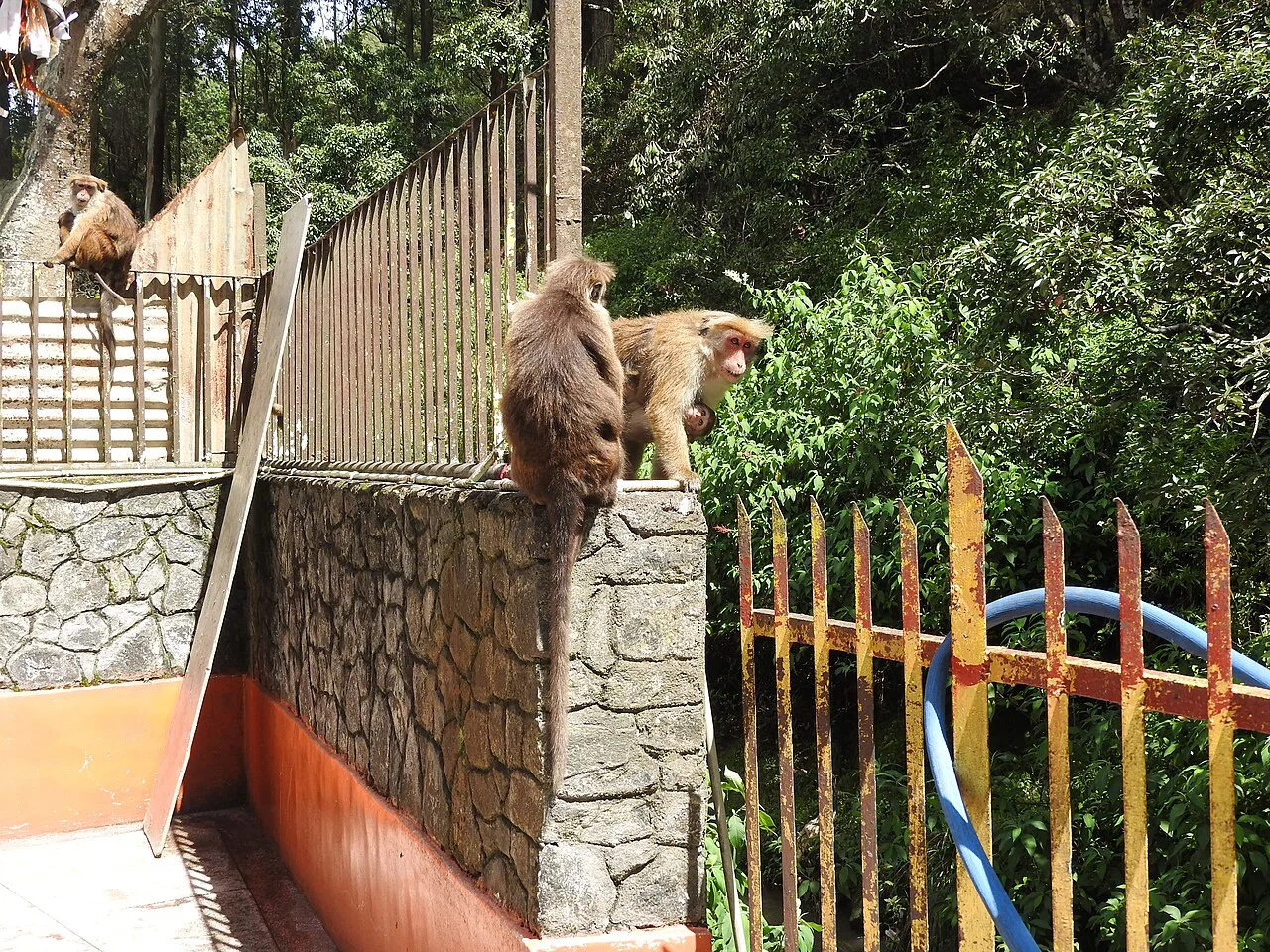
Jaffna Peninsula, The North
Amman Temple
Across the Jaffna Peninsula, small and large shrines alike are dedicated to Amman, the Mother Goddess, a devotional tradition that runs just as deep as, and often intertwines with, the region’s larger, more internationally known Shiva and Murugan temples.
Amman worship runs through Tamil Hindu religious life on the Jaffna Peninsula as consistently as devotion to Shiva or Murugan, honouring the Mother Goddess in her many forms, protector, healer, and fierce guardian, through a network of temples both grand and modest scattered across the region’s towns and villages.
Quick Facts
| Deity honoured | Amman, the Mother Goddess, worshipped in various forms including Kali, Mariamman and Parvati |
| Regional presence | Shrines found across the Jaffna Peninsula, from major towns to smaller villages |
| Devotional role | Protection, healing, and fertility, alongside general spiritual guardianship |
| Festival tradition | Amman temples typically host vibrant annual festivals with processions and rituals |
| Relationship to other temples | Often complements nearby Shiva or Murugan shrines rather than standing entirely apart |
| Community role | A genuine focal point for everyday local devotion, not solely large-scale pilgrimage |
Commonly searched as: Amman Temple Jaffna · Mother Goddess worship Sri Lanka · Jaffna Peninsula temples · Tamil Hindu goddess worship · things to do in Jaffna
A Goddess Woven Into Everyday Devotion
Amman worship holds a genuinely central place in Tamil Hindu religious practice across the Jaffna Peninsula, honouring the divine feminine in forms ranging from the fierce, protective Kali to the healing, rain-associated Mariamman, and the gentler, nurturing Parvati. Unlike the peninsula’s grandest single shrines, Nallur Kandaswamy or Naguleswaram, which draw pilgrims from across the region and beyond, Amman temples tend to be woven more intimately into the daily and weekly rhythm of local community life, serving as neighbourhood anchors for prayer, protection, and seasonal celebration.
That distinction doesn’t diminish their significance; if anything, the sheer number and geographic spread of Amman shrines across Jaffna’s towns and villages, including notable examples like the Sandika Amman Parameswari Temple in Point Pedro, speaks to just how deeply embedded goddess worship is within the region’s broader religious identity, complementing rather than competing with devotion to Shiva and Murugan found at the peninsula’s larger temples.
Festivals That Bring Communities Together
Amman temples across the peninsula are typically associated with vibrant annual festivals, drawing local communities together through processions, music, and ritual offerings, occasions that showcase the goddess’s protective and nurturing qualities through genuinely communal celebration rather than solitary pilgrimage. These festivals often incorporate distinctly local customs and timing, varying from temple to temple, giving each shrine its own particular character within the broader shared tradition of goddess worship.
Part of a Living Religious Landscape
Visiting an Amman temple on the Jaffna Peninsula offers a genuinely grounded counterpoint to the region’s more internationally recognised pilgrimage sites, a chance to witness Tamil Hindu devotional life at its most local and immediate, unmediated by large crowds of visiting pilgrims from elsewhere in the country or abroad.
That grounded, community-centred quality is part of what makes these smaller shrines worth deliberately seeking out on a wider Jaffna Peninsula visit. Where the region’s grand temples showcase Tamil Hindu architecture and devotion at its most monumental, the Amman shrines tucked into individual neighbourhoods reveal the same tradition at its most personal and continuous, faith practised not just on special pilgrimage occasions but as a genuine part of ordinary daily life.
Visiting Tips
- Ask locally about smaller Amman shrines in whichever town or village you’re visiting, since they’re often woven into everyday neighbourhood life rather than prominently signposted for tourists.
- Time a visit around a local festival period for the fullest sense of the temple’s communal, celebratory character.
- Dress modestly and remove shoes before entering, as with any active Hindu temple.
- Approach with genuine respect for the temple’s role as an active, living centre of local devotion.
Where It Sits on the Map
Amman Temple, Jaffna Peninsula Open in Google Maps ↗
Frequently Asked Questions
Who is Amman?
The Mother Goddess in Tamil Hindu tradition, worshipped in various forms including Kali, Mariamman and Parvati, associated with protection, healing and fertility.
How do Amman temples differ from Jaffna’s larger shrines?
They tend to serve as neighbourhood-level focal points for everyday local devotion, complementing rather than competing with the peninsula’s grander pilgrimage temples like Nallur Kandaswamy or Naguleswaram.
Are Amman temples associated with festivals?
Yes, most host vibrant annual festivals featuring processions and communal rituals, with specific customs and timing varying by temple.
Where can visitors find Amman temples on the peninsula?
Scattered across towns and villages throughout Jaffna, including notable examples like the Sandika Amman Parameswari Temple in Point Pedro.
← Sri Lanka: The Complete Guide — see all 258 places by region
Related News
A guide to Jaffna and Sri Lanka's Northern Province: a four-century Tamil kingdom, colonial layers, post-war recovery, visiting tips and map.
A guide to the Jaffna Peninsula: its temples, ancient sites, beaches and colonial heritage, spanning Jaffna city and its surrounding villages.
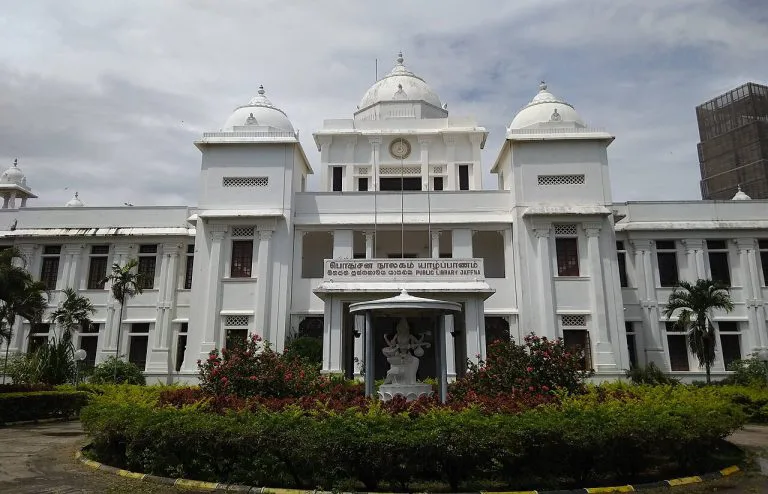
A guide to Jaffna city: capital of a 400-year Tamil kingdom, its library's destruction and rebirth, post-war recovery, visiting tips and map.













