

Dsigngo is a Graphic Design and Digital Marketing Company.
Write what you are looking for and press enter to begin your search!

Jaffna Peninsula, The North
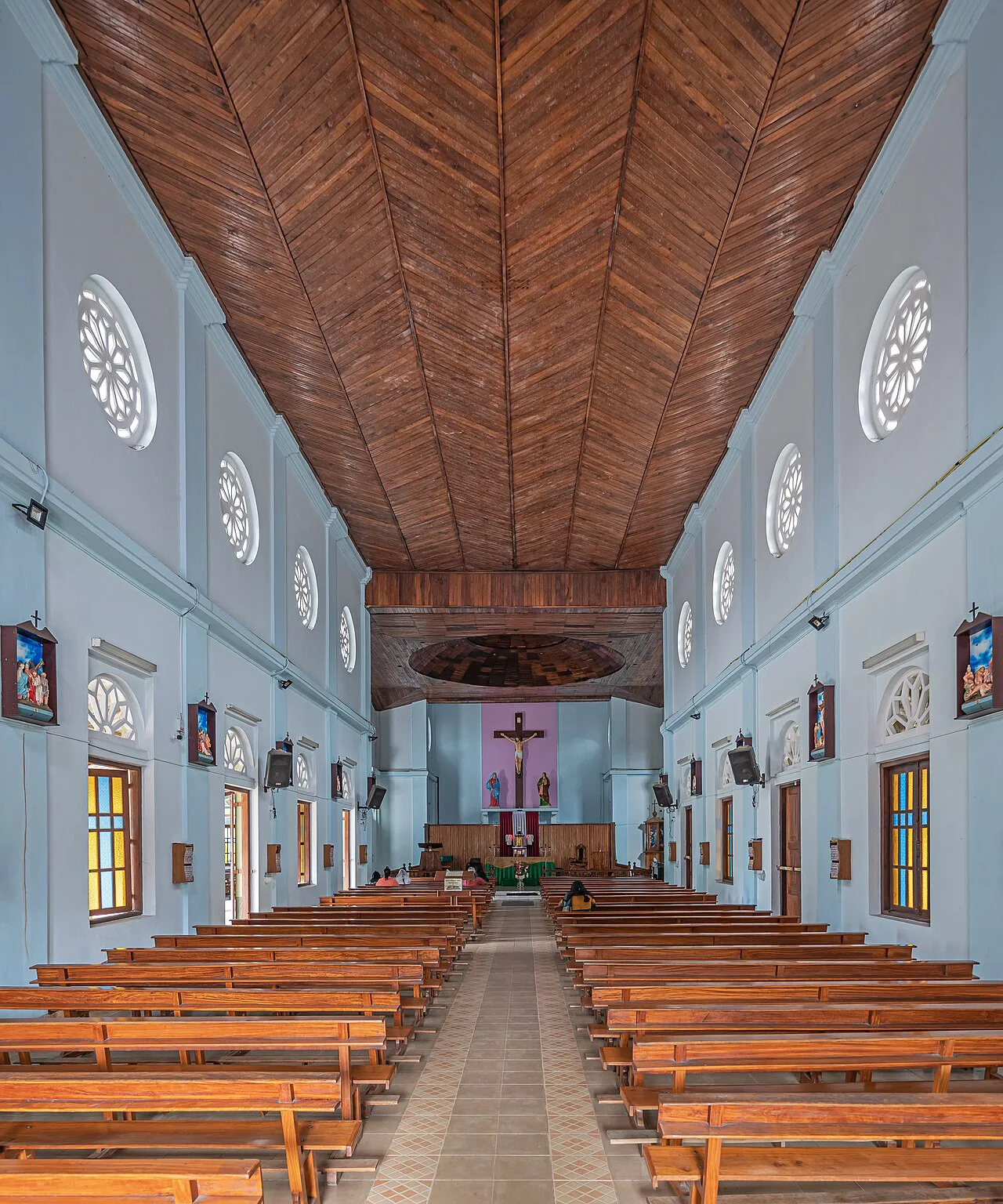
St Mary’s Cathedral
According to local tradition, a Jaffna king executed his own son for converting to Catholicism, then, wracked with guilt, buried his ashes on the very spot where this cathedral now stands.
St Mary’s Cathedral, known locally as Periya Kovil, or ‘Big Temple,’ traces its origin to a genuinely wrenching local legend: a 16th-century Tamil king who executed his own son for converting to Catholicism, then, consumed by guilt, built a small chapel on the site of his son’s death, the seed from which today’s cathedral eventually grew.
Quick Facts
| Location | Gurunagar, a coastal suburb of Jaffna |
| Also known as | Periya Kovil (‘Big Temple’ in Tamil) |
| Legendary origin | Site of a prince’s execution under King Cankili I for converting to Catholicism |
| Church construction began | 1789, completed 1794 |
| Current cathedral | Rebuilding began 1939, completed 1975 |
| Capacity | About 3,000 worshippers |
Commonly searched as: St Mary’s Cathedral Jaffna · Periya Kovil Jaffna · Jaffna Catholic cathedral · King Cankili legend · things to do in Jaffna
A Legend of a King’s Guilt
According to historical tradition, King Cankili I of Jaffna, remembered for fiercely resisting Portuguese colonisation, discovered that his own son had befriended a Portuguese man named Andre De Souza, who influenced the young prince to convert to Catholicism. Enraged, the king killed his son at the very spot where the cathedral now stands. Later, overcome by guilt, Cankili I conducted a grand funeral for his son and buried his ashes at the site, and a small chapel, built by Antonio Fernandez and known as Emilda de Cruz, was subsequently constructed over the burial spot, becoming a place of worship for Jaffna’s early Catholic community. Some local tellings add that a luminous cross was occasionally seen appearing within that original small chapel.
That modest chapel gradually grew into something considerably grander. Construction of a proper church on the site began in 1789 and was completed in 1794, with Rev. Fr. Leonard Rebeiro, who had travelled to Sri Lanka from Goa, serving as the first parish priest. Before that formal construction, Jaffna’s Catholic community had gathered for worship in a simple thatched structure of wattle and daub beneath a large tamarind tree standing at what is now the cathedral’s main entrance.
Outgrowing Its Own Walls
By the early 20th century, the original church, elevated by then to cathedral status, had become too small to accommodate its growing congregation. Construction of an entirely new, larger cathedral began in 1939, though the project took decades to complete, finally finished in 1975. The result is a genuinely striking structure, domes rising 115 feet, a solid marble altar carved from a single block, and architecture reflecting a Goanese design influence brought by the parish’s earliest Catholic missionaries from Goa.
A Refuge During War
Beyond its religious and architectural significance, St Mary’s Cathedral played a genuinely important humanitarian role during Sri Lanka’s civil war, serving as a refuge for hundreds of displaced people seeking safety within its walls. That wartime function adds a further, more recent layer of meaning to a site already carrying centuries of sacrifice and devotion, a building whose very foundation legend already centred on tragedy long before the 20th century’s own conflicts unfolded around it.
Visiting Tips
- Attend a daily 5:30 am mass or one of the Sunday services for a genuine sense of the cathedral’s living congregation.
- Reach the cathedral via a roughly 15-minute walk from the Kacheriyady bus station in Gurunagar.
- Take time to appreciate the marble altar and the domed architecture, distinct from more typical Sri Lankan church design.
- Dress modestly and be respectful of the space, given its status as an active seat of the Roman Catholic Diocese of Jaffna.
Where It Sits on the Map
St Mary’s Cathedral (Periya Kovil), Gurunagar, Jaffna Open in Google Maps ↗
Frequently Asked Questions
What is the legend behind St Mary’s Cathedral’s origin?
According to tradition, King Cankili I of Jaffna executed his son for converting to Catholicism at this site, then, guilt-stricken, built a chapel over his son’s burial spot, which later grew into the current cathedral.
Why is it called Periya Kovil?
It means ‘Big Temple’ in Tamil, a local name reflecting the cathedral’s scale as the largest in the Northern Province.
When was the current cathedral building completed?
Construction of the present, larger structure began in 1939 and was completed in 1975, replacing an earlier church built in 1789-1794.
What role did the cathedral play during the civil war?
It served as a refuge for hundreds of displaced people seeking safety during the conflict.
← Sri Lanka: The Complete Guide — see all 258 places by region
Related News
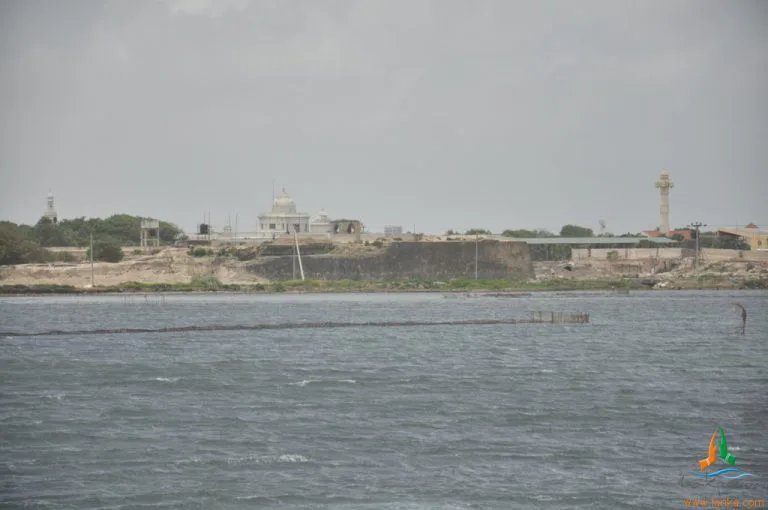
A guide to Jaffna and Sri Lanka's Northern Province: a four-century Tamil kingdom, colonial layers, post-war recovery, visiting tips and map.
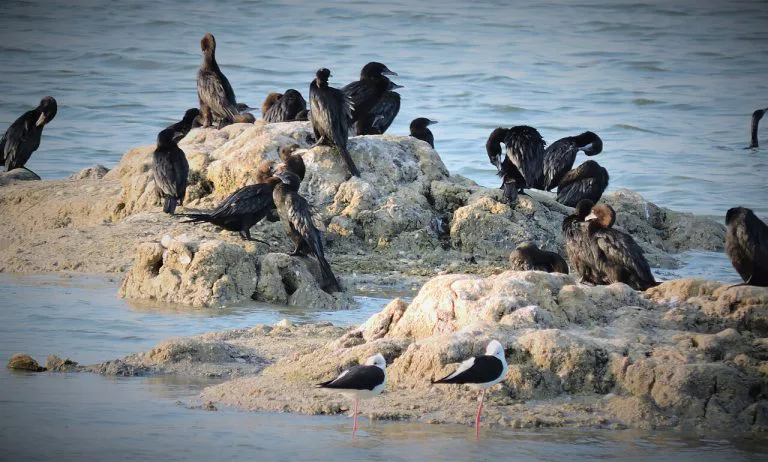
A guide to the Jaffna Peninsula: its temples, ancient sites, beaches and colonial heritage, spanning Jaffna city and its surrounding villages.
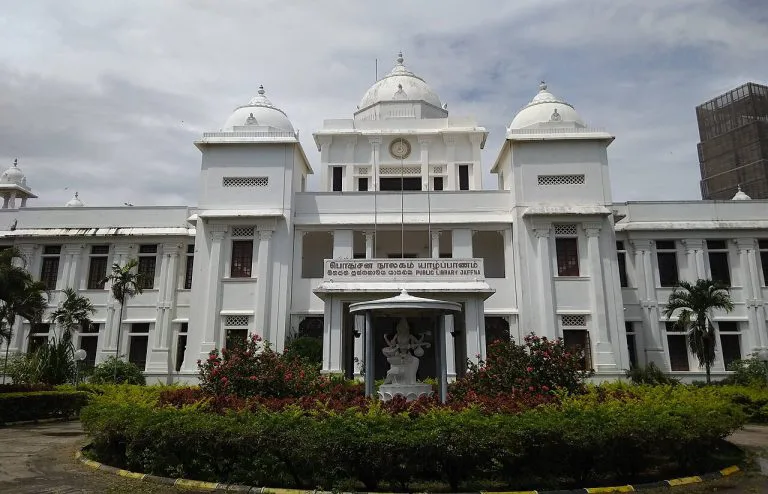
A guide to Jaffna city: capital of a 400-year Tamil kingdom, its library's destruction and rebirth, post-war recovery, visiting tips and map.













