

Dsigngo is a Graphic Design and Digital Marketing Company.
Write what you are looking for and press enter to begin your search!

Jaffna Islands, The North
Delft Island
Herds of wild horses still roam this remote, windswept island, descendants of animals the Dutch once stabled here for cavalry and breeding purposes, now protected as a genuine living link to the island’s colonial past.
Delft Island, known locally as Neduntivu, sits at roughly the halfway point between Sri Lanka and India, a flat, dry, sparsely populated island whose most famous residents aren’t human at all, but herds of feral horses that have run wild here since Dutch colonial times.
Quick Facts
| Location | Palk Strait, about 2.5 hours by ferry from Kurikadduwan Jetty |
| Also known as | Neduntivu |
| Wild horses | Descended from Portuguese/Dutch cavalry and breeding stock |
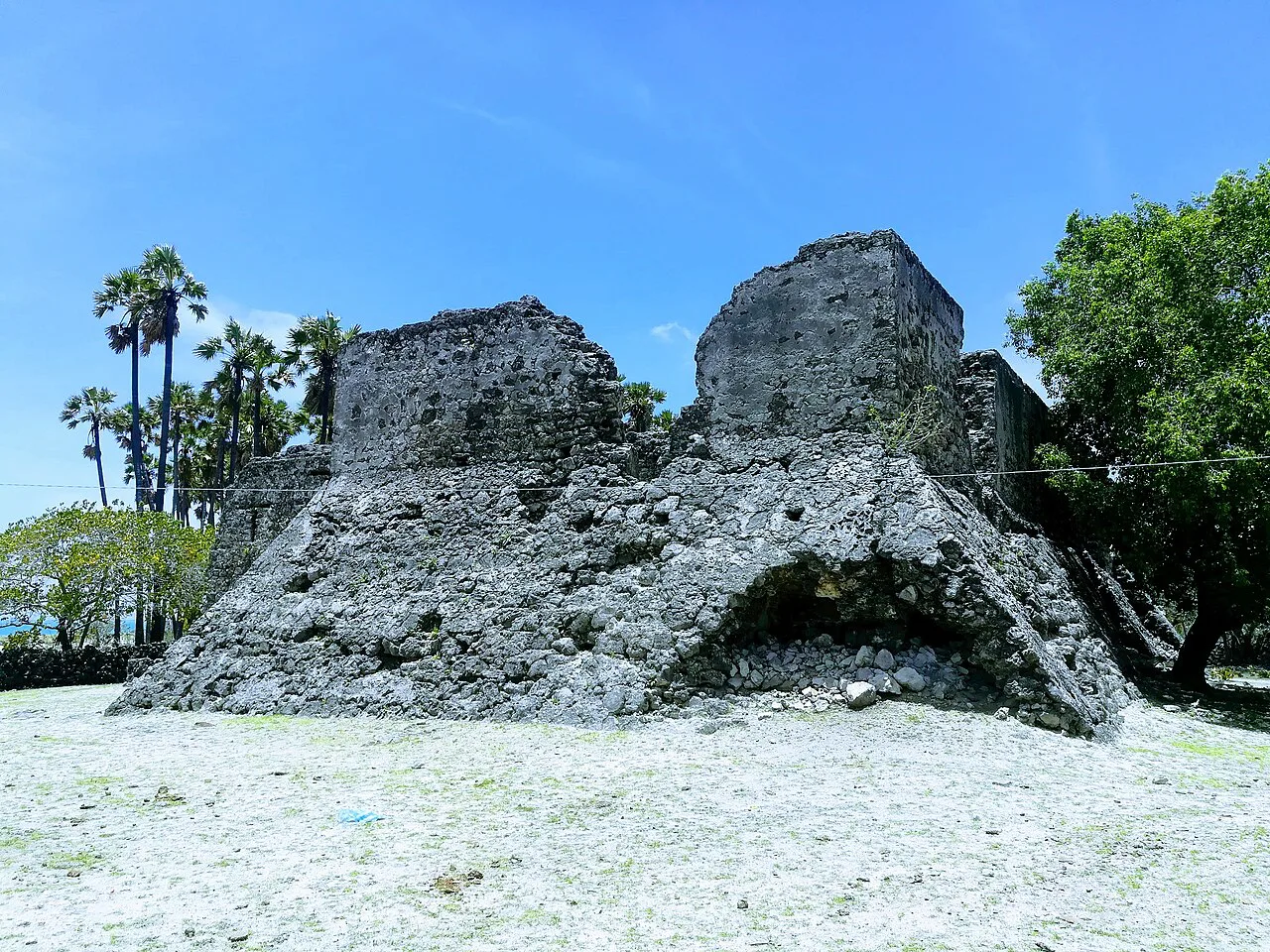
| Colonial ruins | A fort built largely from coral, plus a Dutch dovecote |
| Notable tree | An ancient baobab, non-native, believed planted by Arab traders |
| Ancient temple | Ruins believed to date to the Chola dynasty, roughly 1,000 years old |
Commonly searched as: Delft Island Sri Lanka · Neduntivu wild horses · Jaffna Islands · Delft Island ferry · things to do in Jaffna Islands
Horses Left Behind by Empire
Delft Island’s most distinctive feature roams freely across its flat, dry coastal plains: herds of wild horses, descended from animals imported during Portuguese and Dutch colonial rule, when the island served as a breeding and stabling ground, the remains of old horse stables are still visible today. Left to fend for themselves once colonial administration ended, these horses have run wild for generations since, now recognised as a protected species, with the Sri Lankan Navy actively working to safeguard the population. A handful of horses remain in private ownership and can occasionally be ridden, but the vast majority roam entirely free across the island’s open terrain.
Ruins Built From Coral
Delft’s built heritage reflects the same improvisational, locally sourced construction found throughout much of the Jaffna Islands: a ramshackle colonial fort, along with houses and a surviving Dutch dovecote once used to house messenger pigeons communicating between the island and mainland Jaffna, all constructed largely from coral, the material most readily available in this dry, largely treeless landscape. The Dutch renamed the island Delft after their own hometown, a naming pattern repeated across several of their colonial holdings worldwide.
Beyond the colonial-era structures, Delft holds genuinely older ruins too: the remains of an ancient temple believed to date to the Chola dynasty, roughly a thousand years old, along with three stupa ruins and two small shrines connected to an earlier Buddhist presence on the island, layering yet another chapter onto Delft’s already varied religious and cultural history.
A Baobab Tree Far From Home
Among Delft’s more unexpected sights is a mature baobab tree, a species entirely non-native to Sri Lanka, believed to have been planted by Arab traders passing through centuries ago. Remarkably, the tree has thrived in Delft’s flat, dry conditions, growing large enough that it reportedly takes five adults with linked hands to fully encircle its trunk, a genuinely striking sight on an island otherwise defined by sparse, low vegetation.
Taken together, wild horses, coral ruins, an ancient Chola-era temple, and a lone African tree thriving improbably far from home, Delft offers one of the most genuinely unusual combinations of natural and colonial history found anywhere in Sri Lanka, a fitting final stop for travellers who’ve made it this far north on the map.
Visiting Tips
- Catch the ferry from Kurikadduwan Jetty, roughly 2.5 hours each way, and plan your day around the return schedule.
- Bring your own food and water, since facilities on the island remain genuinely limited.
- Rent a tuk-tuk on arrival, the most practical way to cover the island’s scattered sights.
- Keep a respectful distance from the wild horses, observing rather than approaching or feeding them.
Where It Sits on the Map
Delft Island (Neduntivu), Jaffna Islands Open in Google Maps ↗
Frequently Asked Questions
Why does Delft Island have wild horses?
They descend from horses imported by Portuguese and Dutch colonial administrations for breeding and cavalry use, left to run wild once colonial rule ended.
How do visitors reach Delft Island?
By ferry from Kurikadduwan Jetty, a journey of roughly 2.5 hours each way.
What colonial-era structures survive on the island?
A coral-built fort, a Dutch dovecote once used for messenger pigeons, and various ruined buildings, most constructed from locally available coral.
What is the baobab tree on Delft Island?
A mature, non-native tree believed to have been planted by Arab traders centuries ago, remarkable for thriving in the island’s dry conditions.
← Sri Lanka: The Complete Guide — see all 258 places by region
Related News
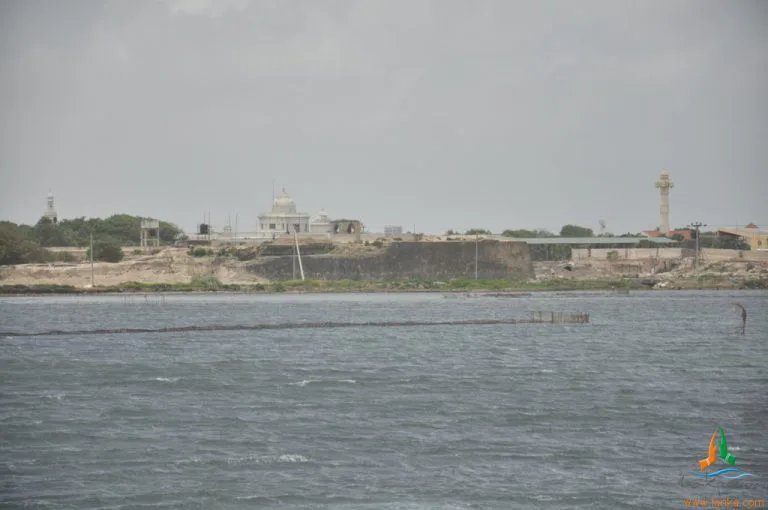
A guide to Jaffna and Sri Lanka's Northern Province: a four-century Tamil kingdom, colonial layers, post-war recovery, visiting tips and map.
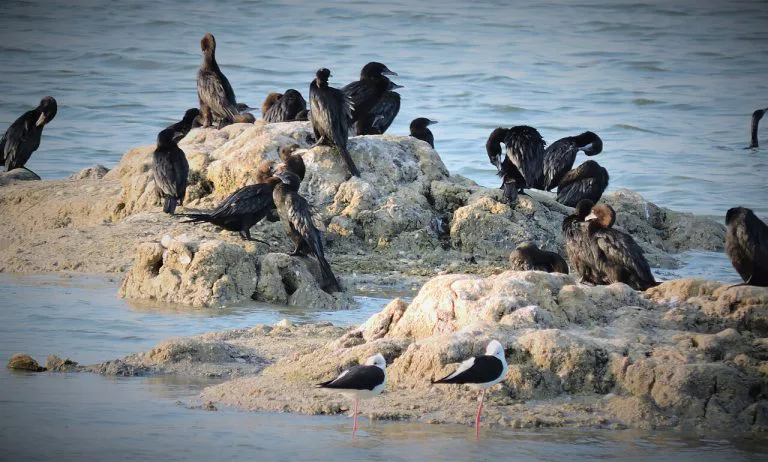
A guide to the Jaffna Peninsula: its temples, ancient sites, beaches and colonial heritage, spanning Jaffna city and its surrounding villages.
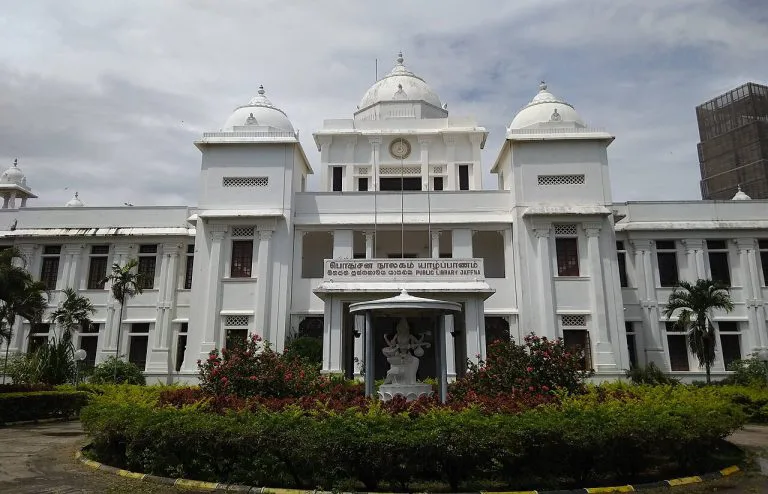
A guide to Jaffna city: capital of a 400-year Tamil kingdom, its library's destruction and rebirth, post-war recovery, visiting tips and map.













